Malaysia's education system confronts a mounting crisis requiring urgent intervention across all levels. The Ministry of Education has launched a sweeping Student Protection Policy designed to fortify safeguarding mechanisms throughout the nation's 10,258 schools, reflecting growing concerns about student welfare in an increasingly complex educational landscape. Datuk Mohd Azam Ahmad, the ministry's director-general, revealed that the system processes reports of student injuries almost constantly, with some days recording double-digit fatalities—a stark reality that contrasts sharply with the outward appearance of calm institutional life.
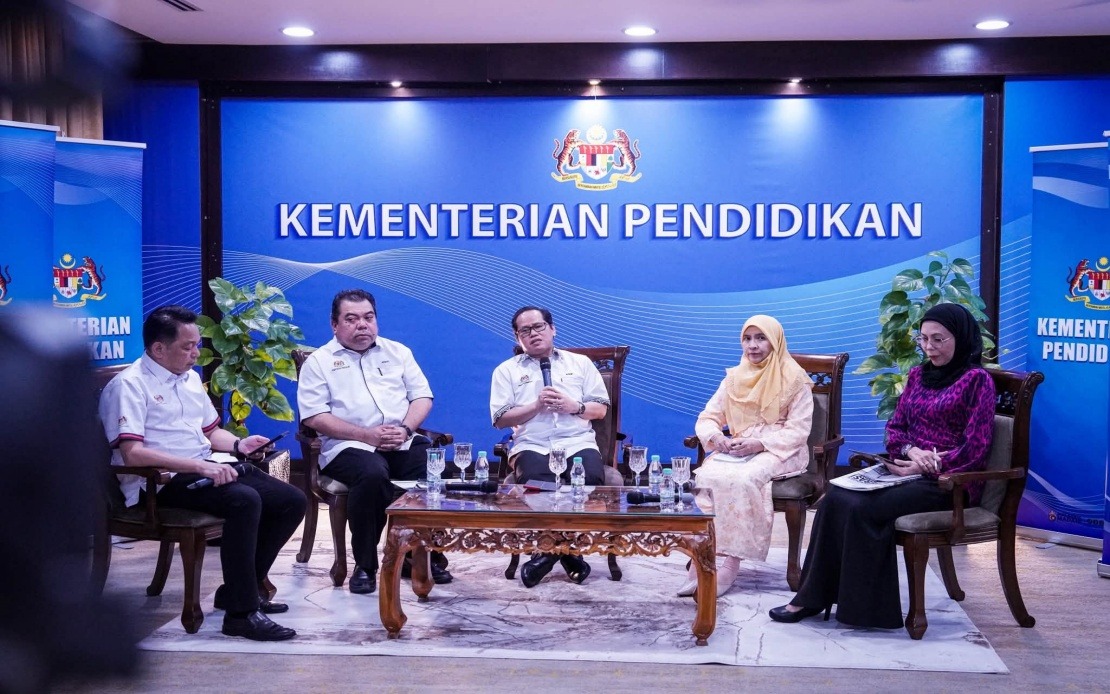
The scale of the challenge became apparent during a public dialogue session hosted on the MOE's EduWebTV platform, where officials and child welfare advocates outlined the reasoning behind this policy overhaul. Azam emphasised that whilst schools may appear peaceful and orderly to casual observers, the ministry's operational reality tells a different story. Daily incident reports reveal an alarming pattern of injuries and deaths that demand coordinated, systematic responses rather than ad-hoc institutional reactions. This disconnect between public perception and institutional data underscores why the ministry determined that piecemeal approaches were insufficient, necessitating instead a cohesive national framework applicable to every school regardless of size or location.
The contemporary Malaysian student inhabits a fundamentally different world from previous generations, according to education ministry analysis. Digital connectivity exposes young people to external influences at unprecedented ages, whilst simultaneously creating new vulnerability vectors for exploitation and harm. The psychological and social pressures intensify by virtue of constant online connectivity, creating challenges that traditional school management approaches never anticipated. Simultaneously, the role expected of educators has expanded dramatically beyond subject-matter instruction. Teachers now function as de facto counsellors, character mentors, and emotional support networks—responsibilities that require explicit training, clear protocols, and institutional backing that many schools currently lack.
To operationalise this protective framework, the MOE issued a formal circular dated July 1 designated as Surat Pekeliling Ikhtisas (SPI), establishing legally binding compliance obligations. School personnel and external parties engaging with school communities must now sign a Letter of Compliance with the Student Protection Policy, formalising their commitment to student safety protocols. This contractual approach represents a deliberate shift toward accountability, signalling that institutional compliance is non-negotiable rather than advisory. By requiring documented commitment from all stakeholders, the ministry creates an auditable trail whilst simultaneously emphasising that student protection represents a shared responsibility transcending individual institutional boundaries.
The policy addresses six interconnected reform areas that collectively constitute a holistic approach to student welfare. Mental health support ranks among the highest priorities, acknowledging that psychological distress often precedes or accompanies physical harm. Reproductive and social health education programmes equip students with age-appropriate knowledge about their bodies, relationships, and decision-making. Prevention initiatives targeting child sexual violence and substance abuse represent targeted interventions addressing the most severe threats to student safety. Student protection protocols establish clear reporting mechanisms and investigative procedures. Teacher welfare provisions recognise that educators' own well-being directly impacts their capacity to protect students effectively. Finally, mechanisms for amplifying student voice ensure that young people themselves participate in identifying problems and developing solutions—a crucial element often overlooked in top-down policy implementation.
This policy initiative reflects international trends in child protection whilst responding to distinctly Malaysian circumstances. Southeast Asian education systems increasingly recognise that traditional authoritarian school management models prove inadequate for addressing modern safeguarding challenges. The participatory dialogue format itself—bringing together the director-general, the Children's Commissioner of the Human Rights Commission of Malaysia (SUHAKAM) Dr Farah Nini Dusuki, and senior policy officials—signals commitment to multi-stakeholder consultation. By including Dr Farah Nini Dusuki and leveraging SUHAKAM's expertise, the ministry acknowledges that student protection extends beyond educational administration into human rights frameworks.
The implications for Malaysian schools are substantial and immediate. Every institution must now establish or strengthen existing protections whilst ensuring compliance with ministry directives. Schools lacking adequate mental health resources face pressure to develop or partner with external providers. Teachers require training in recognising warning signs, understanding reporting obligations, and supporting distressed students. Administrative staff must develop procedures for managing incidents, documenting cases, and communicating with relevant authorities. This represents a significant operational lift, particularly for under-resourced institutions in rural or economically disadvantaged areas where existing infrastructure may be minimal.
Regionally, Malaysia's approach carries implications for neighbouring countries wrestling with similar challenges. Singapore, Indonesia, Thailand, and the Philippines all confront rising awareness of student welfare issues that colonial-era school systems never anticipated. Malaysia's comprehensive policy framework offers a potential model for adaptation, particularly regarding the integration of human rights principles into education administration and the emphasis on teacher support alongside student protection. As regional education ministers increasingly prioritise safeguarding through forums such as the Association of Southeast Asian Nations (ASEAN), Malaysia's concrete policy implementation provides practical reference points.
The financial and human resource dimensions remain partially unspecified in public communications. Implementing mental health support systems, training educators in trauma-informed practices, and establishing robust reporting infrastructure requires investment. Schools must determine whether the ministry will provide dedicated funding or whether institutions will absorb costs through existing budgets. Teacher welfare provisions similarly demand clarity regarding implementation mechanisms and resource allocation. Without adequate resourcing, even well-intentioned policies risk becoming symbolic gestures rather than operational reality—a recurring challenge in Malaysian education reform.
Critically, the policy's success depends substantially upon school leadership commitment and frontline educator capacity. Circulars originating from ministry headquarters represent necessary but insufficient conditions for systemic change. School principals must champion the policy, allocate institutional resources, and model the cultural shift toward proactive student protection. Teachers require not merely compliance training but genuine professional development that builds confidence and competence in addressing sensitive welfare issues. Without this foundation-level commitment, the policy risks remaining a compliance document rather than transforming school culture.
The timing of this policy initiative, emerging amid heightened global attention to child protection, reflects Malaysia's recognition that educational institutions cannot remain insulated from societal problems. Economic pressures, social fragmentation, digital technology, and psychological stress increasingly penetrate school gates. Rather than treating these as external challenges, the MOE's approach integrates them into core educational policy. Whether this framework proves sufficient given the reported scale of incidents—the director-general's reference to double-digit daily fatalities suggests systemic stress—remains uncertain, but the policy represents genuine institutional acknowledgment that business-as-usual approaches have demonstrably failed.

