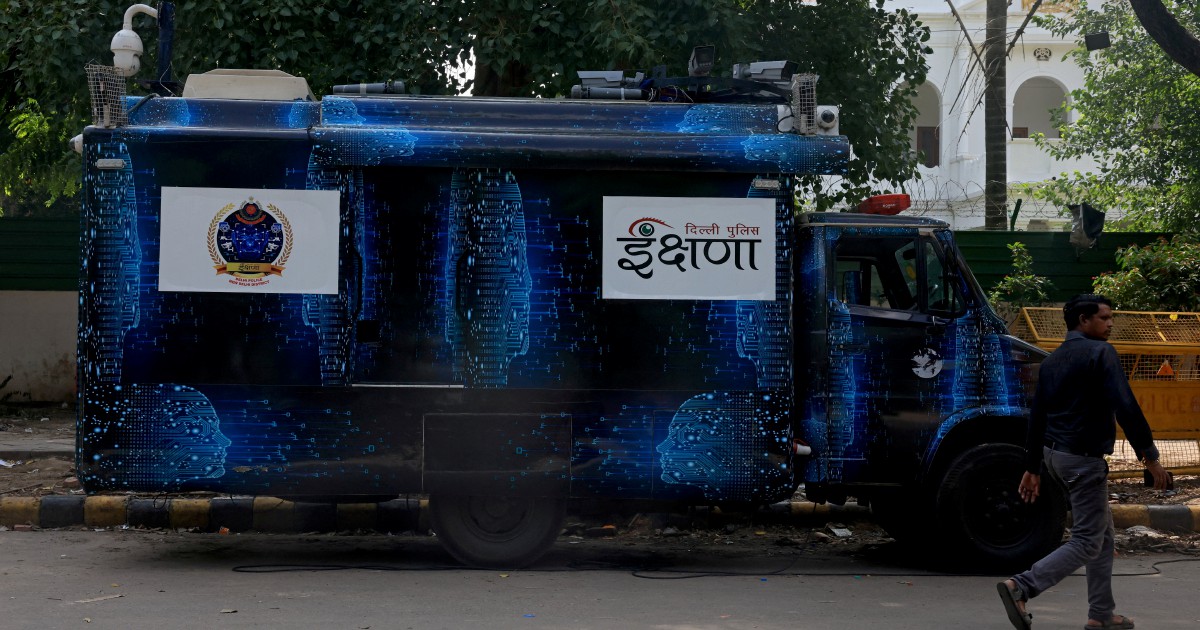
The Modi administration is facing mounting pressure from civil liberties groups and activists over its deployment of artificial intelligence-powered surveillance systems during India's most significant youth-led protest movement in recent memory. The challenge extends beyond the immediate demonstrations, with legal proceedings expected to establish important precedents regarding the scope of government surveillance powers and digital rights protection in India.
The protest, which attracted unprecedented numbers of young Indians, prompted authorities to implement sophisticated monitoring technologies designed to track participants and gather intelligence on movement organisers. This surveillance infrastructure relied on facial recognition systems, data analytics, and AI-driven identification tools that activists argue exceeded reasonable bounds of security measures and violated constitutional protections of privacy and freedom of assembly.
Indian civil rights organisations have filed court cases contesting the legality and necessity of such extensive surveillance apparatus. These legal challenges represent a significant test of how Indian courts will interpret the balance between national security interests and fundamental individual liberties in the digital age. The outcome will likely influence how future governments deploy technology in response to mass mobilisation and public dissent.
The broader context reflects growing global concerns about AI surveillance systems and their deployment by state authorities. India, with over 1.4 billion people and a rapidly developing technological infrastructure, faces particular scrutiny regarding how its democracy manages the intersection of technological capability and civil liberties. The surveillance in question relied on systems developed both domestically and internationally, raising questions about technological governance and accountability.
Activist groups argue that the surveillance exceeded what was proportionate or necessary for maintaining public order. They contend that blanket monitoring of participants in peaceful assembly undermines the constitutional right to protest and sets a troubling precedent for future demonstrations. The indiscriminate nature of AI-powered surveillance means that even individuals not engaged in any illegal activity were subject to identification and tracking.
The legal framework governing surveillance in India has evolved unevenly, with existing laws predating the widespread adoption of artificial intelligence technologies. The Information Technology Act and various state security provisions do not adequately address the specific challenges posed by AI-driven monitoring systems. This regulatory gap has allowed authorities considerable discretion in deploying surveillance infrastructure, a situation activists argue requires urgent legislative attention.
Court proceedings are expected to address fundamental questions about the government's authority to conduct mass surveillance without warrants or court orders, the necessity and proportionality of such measures, and whether existing legal frameworks adequately protect citizens from technological overreach. Judges will need to grapple with balancing competing interests: the state's security responsibilities against citizens' privacy rights and freedom of expression.
The implications extend beyond India's borders, particularly for Southeast Asia where governments increasingly invest in surveillance technologies. Malaysia and other regional nations monitoring these developments may face similar tensions between security concerns and digital civil liberties. The precedent established in Indian courts could influence how regional democracies approach technology governance and public order management.
Civil society organisations have documented cases where surveillance data was allegedly misused to identify and potentially harass protest participants after demonstrations concluded. This raises concerns that surveillance infrastructure ostensibly deployed for immediate security purposes becomes a permanent mechanism for monitoring dissent and political opposition. The persistence of surveillance beyond the protest period particularly troubles activists who view it as chilling effects on future political participation.
The Modi government has justified the surveillance measures as necessary security precautions to ensure public safety and prevent potential violence. Officials argue that the scale of the protests and potential for disorder warranted comprehensive monitoring infrastructure. However, critics contend that such justifications reflect a troubling willingness to sacrifice privacy and freedom for security, without demonstrating that alternatives less intrusive to fundamental rights were inadequate.
The technical architecture of the surveillance systems raises additional concerns about data security and eventual usage. Questions remain about where collected data is stored, who has access to it, how long it will be retained, and what prevents future misuse by different government administrations. These governance gaps in how surveillance infrastructure is managed remain largely unaddressed in current Indian legal and policy frameworks.
For Malaysian observers, the Indian case illustrates the importance of establishing robust legal protections around surveillance technologies before they become entrenched in security apparatus. As governments across Southeast Asia increasingly embrace artificial intelligence for public order management, the precedent courts establish regarding privacy rights and proportionality will shape the region's digital future for decades to come.

