Indian Prime Minister Narendra Modi has arrived in Indonesia for a three-day state visit centred on broadening the strategic relationship between Asia's two largest democracies at a time when global economic conditions remain uncertain and geopolitical competition intensifies across the region. The talks with President Prabowo Subianto, held at Jakarta's Merdeka Palace on Tuesday, represent a significant diplomatic moment for both nations as they seek to consolidate their partnership in an era of shifting power dynamics and protectionist economic policies.
The breadth of the bilateral agenda underscores how deeply intertwined New Delhi and Jakarta's interests have become. Beyond the headline-grabbing defence discussions, the two leaders are examining cooperation across multiple strategic domains: securing supply chains for critical minerals essential to renewable energy and technology sectors, coordinating on food security in a region vulnerable to climate shocks, and strengthening energy partnerships as both nations pursue ambitious development goals. This multifaceted approach reflects a recognition that sustainable bilateral relations require diversification across economic and security platforms rather than concentration in any single area.
The ceremonial scale of Modi's reception—his aircraft escorted into Indonesian airspace by three fighter jets and a tarmac greeting by Prabowo himself—sends a deliberate message about how Jakarta calibrates its relationships with major powers. This stands in sharp contrast to the often-transactional nature of Indonesia's engagement with other regional players. The invitation for Modi to address Indonesia's Parliament further elevates the visit beyond routine diplomatic exchange, positioning him as a voice capable of speaking directly to Indonesian lawmakers and civil society about shared democratic values and strategic vision.
Defence cooperation is expected to dominate substantive discussions, with the BrahMos supersonic cruise missile system emerging as a focal point. Indonesia's advanced-stage interest in acquiring this platform reflects both Prabowo's military background and Jakarta's genuine concern about maritime security challenges in contested waters. The move would mark a significant deepening of India's defence relationships in Southeast Asia, extending New Delhi's security influence westward and demonstrating to regional partners that India can deliver sophisticated capabilities outside traditional suppliers. For Malaysia and other neighbouring states, such transactions signal evolving military balances that could reshape regional deterrence calculations.
Maritime security cooperation carries particular weight for both capitals. India and Indonesia occupy complementary strategic positions along the vital shipping corridors connecting the Indian Ocean to the Pacific, lanes through which trillions of dollars in global trade flow annually and which remain vulnerable to piracy, geopolitical tension and climate-related disruption. By coordinating maritime policies, intelligence sharing and naval operations, the two democracies can address shared vulnerabilities while indirectly reinforcing a rules-based international order that underpins their prosperity. For Southeast Asian nations dependent on these routes, closer India-Indonesia maritime coordination offers potential stabilising benefits.
The planned launch of the Indonesia Open Network during Modi's visit represents an intriguing pivot toward digital cooperation. Modelled on India's sophisticated digital public infrastructure, the platform promises to democratise electronic commerce and financial inclusion across Indonesia, potentially creating templates for regional adoption. This soft power dimension complements India's defence and strategic positioning, allowing New Delhi to shape regional preferences through technological standards and digital architecture rather than military posture alone. The initiative also reflects how modern great power competition unfolds increasingly through competing visions of digital governance and technological ecosystems.
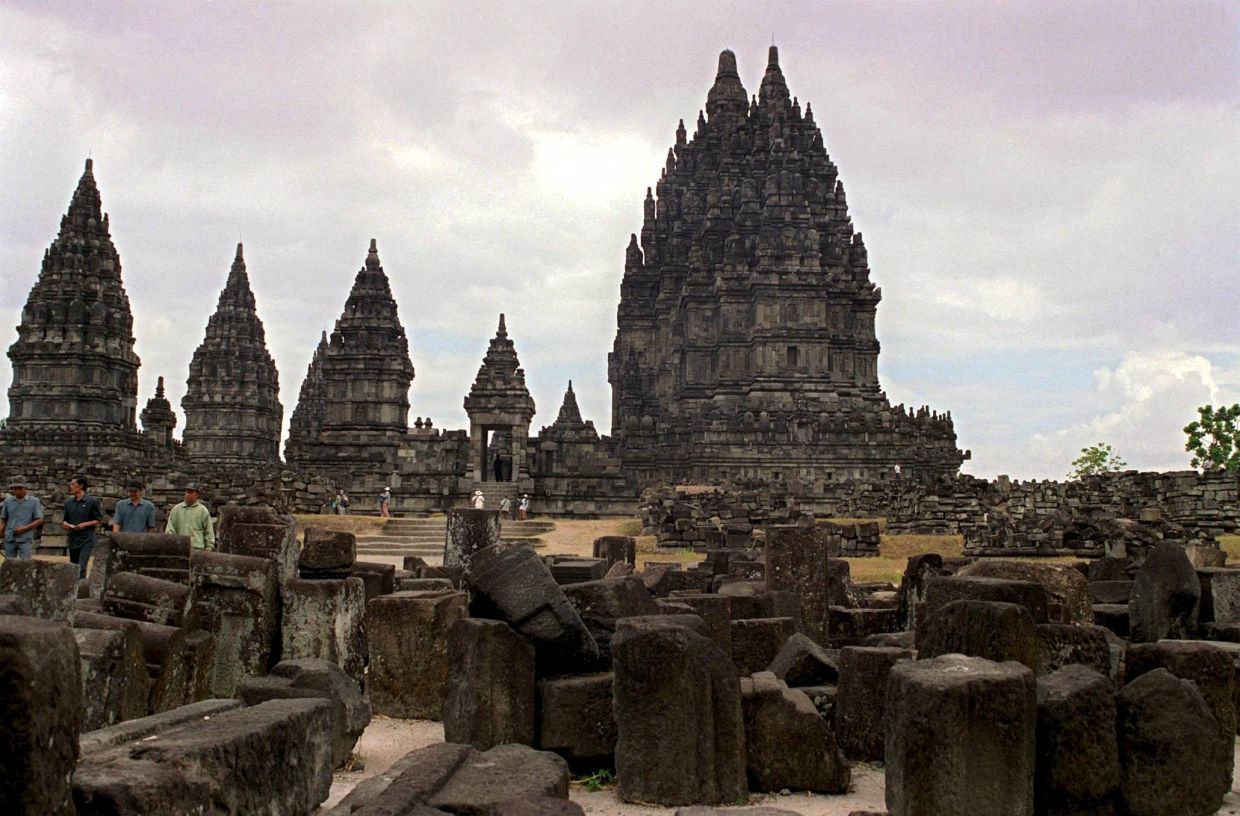
Cultural diplomacy remains woven throughout the visit's itinerary. Modi's planned travel to Yogyakarta to launch restoration work at the Prambanan temple—a UNESCO World Heritage site of profound significance to Indonesian Hinduism and cultural identity—carries symbolic importance beyond architectural preservation. By investing in Indonesia's Hindu heritage, India signals respect for religious and cultural pluralism within the archipelago and anchors its regional engagement in genuine civilisational connection rather than purely transactional statecraft. For Indonesia's Hindu and secular constituencies, Indian support for cultural preservation demonstrates the utility of close ties to a major civilisational neighbour.
The visit follows Prabowo's attendance at India's Republic Day celebrations as chief guest, completing a diplomatic circuit that institutionalises high-level engagement between the nations. Such reciprocal visits create momentum for implementation of agreements and signal sustained political commitment transcending individual administrations. This matters considerably for Southeast Asian observers, as it suggests India-Indonesia partnership has moved beyond personality-driven diplomacy toward structural embedding in both nations' strategic architecture.
Indo-Pacific geopolitics forms the underlying context for this diplomatic choreography. Both nations sit at the intersection of great power competition, with India facing pressure from China along its northern and maritime borders while Indonesia manages competing influence from multiple powers within its archipelago and surrounding seas. By deepening bilateral ties, Modi and Prabowo are essentially crafting a partnership that acknowledges shared vulnerabilities to external pressure while building capacity for independent strategic action. This resonates with Malaysian interests, as a stronger India-Indonesia axis potentially creates a more balanced regional environment less dominated by any single power.
The expected eight bilateral agreements and multiple memorandums of understanding will likely address practical implementation of shared vision across the identified pillars. Substantive agreements on defence procurement, maritime cooperation, energy projects and capacity building in health and education will translate political rhetoric into institutional mechanisms. These arrangements create constituencies within both governments invested in relationship continuity and success, making it harder for future administrations to retreat from partnership commitments made today.
For the Indian community in Indonesia—whom Modi will address during an evening event—the visit reinforces India's commitment to supporting diaspora interests while leveraging diaspora networks for broader strategic purposes. This dimension of engagement often receives insufficient attention in analyses focused on state-to-state relations, yet diaspora communities frequently serve as advocates for bilateral partnership within their adopted countries and bridge-builders between societies.
The timing of Modi's Southeast Asian tour, commencing in Indonesia before moving to Australia and New Zealand, reflects deliberate strategic sequencing. Starting with Indonesia signals India's recognition of the archipelago's centrality to Indo-Pacific stability and power balances. By consolidating Indonesian partnership early in his regional visit, Modi establishes momentum and demonstrates India's commitment to Southeast Asian primacy rather than peripheral engagement. This sends important signals to other regional players about India's priorities and investment levels in the region.

