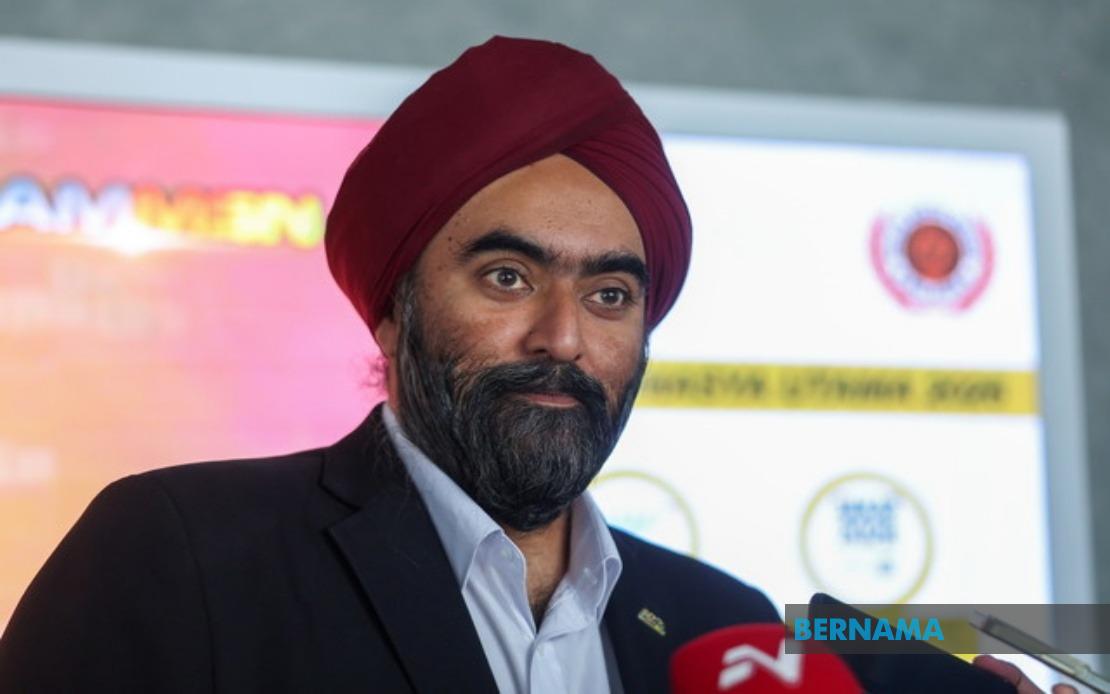
The Malaysian National Cycling Federation is moving swiftly to resolve a brewing dispute with Yayasan Sime Darby that has derailed one of the country's most important cycling talent development programmes. MNCF president Datuk Amarjit Singh Gill has called for immediate high-level talks with YSD management, signalling his determination to restore the YSD Track Cycling and BMX Series 2026 before the postponement causes lasting damage to the national programme.
The federation's chief was clear that the breakdown, while serious, remains manageable if both parties approach the table with goodwill. Speaking after the launch of the Le Tour de Langkawi 2026 route at Menara KBS in Putrajaya on June 25, Amarjit characterised the dispute as a matter that does not require protracted or adversarial resolution. His measured tone suggested an attempt to defuse tensions and avoid public escalation of what could become a damaging rift between two major institutional players in Malaysian cycling.
Yayasan Sime Darby announced the series postponement citing technical issues stemming from MNCF's operations, though the foundation has not elaborated publicly on the specific nature of these problems. The vagueness has left the cycling community uncertain about the timeline for resumption and the underlying causes. Amarjit's willingness to accept YSD's characterisation of the issue while simultaneously insisting it remains resolvable suggests he is seeking middle ground, respecting his counterpart's concerns while maintaining that substantive differences need not paralyse the partnership.
The MNCF president emphasised that the real foundation for resolving disputes lies in mutual respect and recognition of each party's role as equal strategic partners. This framing is significant because it rejects any notion of hierarchy or dominance in the relationship. By stressing partnership, Amarjit appears to be rejecting both defensiveness and any suggestion that YSD, as the funding body, has unilateral authority to suspend programmes without detailed consultation. This language matters in Malaysian institutional contexts where face, hierarchy, and the appearance of collaborative decision-making carry considerable weight.
Amarijit stressed that top management from both organisations need to convene to work through the issues systematically. He did not want to discuss specific grievances publicly, a restraint that protects both parties' negotiating positions and prevents the dispute from hardening along factional lines. His preference for behind-the-scenes resolution contrasts sharply with the public announcement of postponement by YSD, suggesting he believes quiet diplomacy offers the better path forward for everyone involved.
The postponement carries broader implications for Malaysian cycling at a critical juncture. The YSD Track Cycling and BMX Series functions as a crucial pipeline for identifying and developing young talent in disciplines that have shown potential for international competitiveness. Any extended disruption risks losing momentum in athlete development and could push promising cyclists toward other sports or international opportunities. The economic and reputational costs of a prolonged breakdown would affect not only the federation but also YSD's standing as a patron of Malaysian sports.
YSD's historical role in supporting cycling development has been substantial, and Amarjit made a deliberate point of acknowledging this contribution while defending his federation's competence. This diplomatic acknowledgment serves multiple purposes: it validates YSD's investment and commitment, it signals that MNCF does not view the funder as adversarial, and it creates space for both parties to claim victory in any negotiated settlement. When funding bodies and sports federations clash, the athlete development system suffers; Amarjit's approach minimises that risk by keeping blame diffuse and solutions-focused.
The timing of the dispute is awkward, coming as Malaysian cycling prepares for the Le Tour de Langkawi 2026, a marquee international event that showcases the country's road cycling credentials. A simultaneous crisis in track and BMX programming could damage Malaysia's overall cycling narrative internationally. Amarjit's urgency in seeking talks reflects awareness that the window for containing this issue before it generates unwanted publicity or institutional damage is narrowing. Quick resolution would allow both parties to refocus on positive programming announcements rather than damage control.
What remains unresolved is the precise nature of the technical issues YSD has identified. Without clarity on whether these involve governance, financial management, competition standards, or athlete welfare protocols, it is difficult to assess the seriousness of the dispute. YSD's reluctance to elaborate suggests either sensitivity around the issues or a desire to reserve details for private negotiation. Amarjit's willingness to characterise the problems as non-complicated implies confidence that his federation can address whatever concerns have arisen, provided they are articulated clearly across the table.
The federation president's emphasis on mutual respect as a cornerstone of partnership reflects evolving thinking in Malaysian sports governance about power dynamics between funders and operators. Rather than accepting a patron-client relationship where YSD dictates terms, Amarjit is asserting that strategic partnership implies shared voice in decisions affecting programmes. This assertion, while diplomatically soft, carries implications for how Malaysian sports organisations should relate to their corporate sponsors going forward. Both parties have stakes in cycling's future, and sustainable development requires acknowledging that reality structurally.
Moving forward, the success of negotiations will depend on both sides demonstrating flexibility and commitment to the cyclist community rather than to institutional prerogatives. The cycling fraternity will be watching closely to see whether this dispute generates the kind of transparency and swift resolution that builds confidence in Malaysian sports administration, or whether it devolves into prolonged bureaucratic wrangling that undermines athlete development. Amarjit's opening moves suggest he recognises the stakes and is determined to chart the former course.

