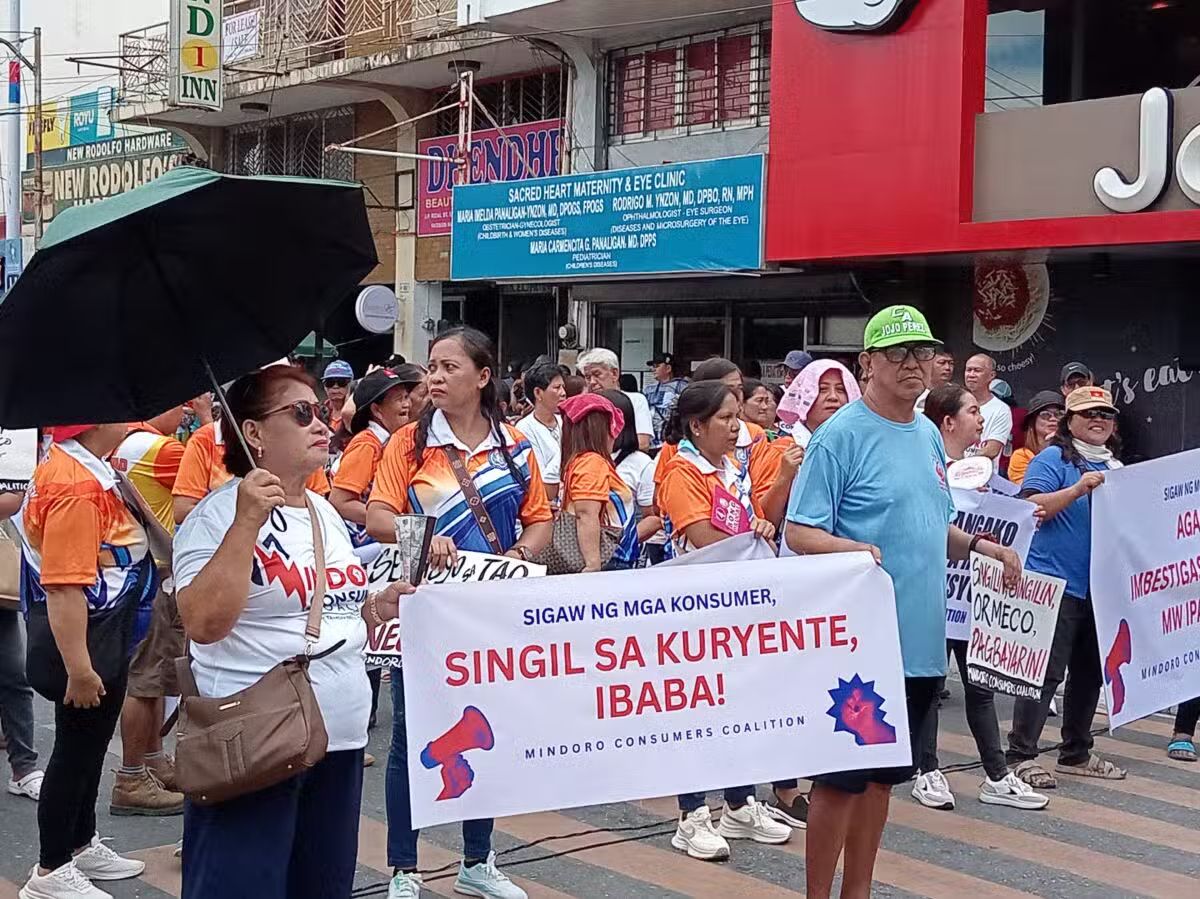
Consumer advocates in Oriental Mindoro are intensifying scrutiny of their regional power utility's operational transparency after disputing claims that a modest rate reduction stems primarily from cost savings provided by new independent power suppliers. The Mindoro Consumers Coalition has cast doubt on the Oriental Mindoro Electric Cooperative's narrative, contending that the utility possesses far more discretionary control over pricing mechanisms than its management has publicly acknowledged.
The dispute centres on a P1-per-kilowatt-hour reduction announced for July billing cycles. Oriental Mindoro Electric Cooperative management attributed the cut to cheaper electricity supplied through power purchase agreements with independent power producers operating under a 57-megawatt Competitive Selection Process. However, the coalition rejected this explanation, emphasising that the contracted power supplies in question have already operated for approximately twelve months without requiring any financial assistance from government programmes that might temporarily reduce costs.
The consumer group's challenge highlights a fundamental tension over pricing accountability within the Philippine electricity cooperative system. If new power supply contracts merely continued existing commercial arrangements without introducing subsidies or exceptional pricing terms, the coalition argues, then the timing and magnitude of the rate reduction become difficult to reconcile with management's public statements. This reasoning suggests that ORMECO possesses internal flexibility in how it structures customer charges, raising broader questions about the principles governing rate-setting decisions across the cooperative's service territory.
The coalition further clarified that ORMECO's reference to "two operational independent power producers" applies exclusively to the 57-megawatt contracted capacity developed through the competitive bidding process. This distinction matters because it means the utility draws power from multiple sources beyond these two suppliers, a fact that management's communication may have obscured for general audiences. Understanding the full scope of ORMECO's power procurement portfolio proves essential for assessing whether management has genuinely exhausted opportunities to reduce customer bills or whether other commercial arrangements remain optimised primarily for utility revenue rather than consumer benefit.
System-loss charges have emerged as the coalition's most contentious concern. ORMECO reports to the National Electrification Administration that electrical losses during transmission and distribution average ten percent of total supply. Yet customer billing reflects system-loss charges calculated at 17.5 percent, a substantial variance that the consumer group cannot reconcile with official regulatory filings. This discrepancy warrants particular attention from oversight bodies, as system-loss charges constitute a legitimate but discretionary cost element that utilities pass to customers; significant gaps between reported figures and actual billings suggest either measurement problems or accounting practices that merit external review.
The nature of system-loss charges themselves reflects genuine technical realities. Electricity inevitably dissipates as heat during transmission across distribution networks, particularly in tropical regions where extended transmission distances and ambient heat intensify losses. However, the magnitude of loss rates also depends on maintenance quality, equipment specifications, and theft prevention measures—areas where utility management decisions directly influence ultimate costs borne by consumers. A ten percent versus 17.5 percent disparity falls far outside normal measurement variation and demands explanation from both ORMECO and its regulatory overseer.
This dispute arrives at a sensitive moment for Philippine utilities generally. The broader electricity market has undergone significant structural changes following the 1997 Electric Power Industry Reform Act, which introduced competitive elements while retaining monopoly distribution networks in regions served by cooperatives. ORMECO, as a consumer-controlled cooperative rather than a commercial utility, technically operates under different governance principles than for-profit power distributors. Yet these principles often remain poorly understood by members, and transparency gaps can breed scepticism about whether cooperative status actually produces genuine advantages in pricing and service quality.
The coalition's Saturday protest rally and subsequent demands that Congress and relevant government agencies investigate ORMECO's power contracts reflect broader frustration with information asymmetries in the electricity sector. Customers lack technical expertise to independently verify utility claims about system losses, power supply costs, and appropriate rate structures. Government regulators, while possessing formal authority, often operate with limited resources for detailed monitoring of cooperative utilities distributed across the archipelago. This enforcement gap creates space for utilities to implement practices that prioritise institutional interests over customer welfare.
The specific request for transparency regarding power contracts deserves particular emphasis for Malaysian observers monitoring regional utility practices. Power purchase agreements—the commercial contracts through which utilities acquire electricity from generators—contain terms profoundly affecting ultimate customer costs. These agreements often include confidentiality clauses that utilities invoke to prevent public scrutiny of pricing, term lengths, and performance requirements. Yet contract terms directly shape the rates utilities must charge, making them matters of legitimate public concern rather than proprietary commercial secrets. Malaysian utilities and cooperatives should consider whether similar confidentiality protections obscure information that consumer groups and regulators require to assess whether pricing remains reasonable.
For ORMECO specifically, the coalitions' challenges create pressure to provide detailed, verifiable documentation supporting management's characterisations of cost drivers and rate-setting methodology. Simply asserting that new power supplies justify rate reductions proves insufficient when consumers simultaneously observe persistent questions about system-loss calculations and broader rate-setting practices. Management's credibility depends fundamentally on demonstrating that publicly available information accurately reflects the underlying commercial and technical realities shaping customer bills.
The outcome of this dispute carries implications extending beyond Oriental Mindoro. Across Southeast Asia, consumer groups increasingly demand that utilities operating in their regions—whether commercial entities, government agencies, or consumer cooperatives—demonstrate transparent adherence to fair pricing principles. The Mindoro situation illustrates how rate reductions intended to demonstrate management responsiveness can instead provoke renewed scrutiny if consumers perceive inconsistencies in accompanying explanations. Utilities attempting to manage public relations around pricing decisions must ensure that all supporting claims withstand detailed examination from informed stakeholders.
Regulatory agencies overseeing ORMECO face their own accountability test. The National Electrification Administration, which receives ORMECO's official system-loss filings, possesses responsibility for verifying that reported figures align with actual billing practices. A 7.5-percentage-point gap between reported and actual system-loss charges should trigger investigative response rather than passive acceptance. Similarly, the cooperative's board of directors—nominally representing member interests—requires access to sufficient operational detail to oversee management effectively. These governance structures exist specifically to prevent precisely the circumstances that the Mindoro Consumers Coalition has identified, suggesting that some combination of board inattention, management opacity, or regulatory passivity has permitted discrepancies to persist.
Moving forward, ORMECO management must decide whether to embrace greater operational transparency or continue resisting consumer group scrutiny. The coalition's Saturday protest indicates that public pressure will likely intensify absent satisfactory responses to the system-loss question and broader rate-setting concerns. Congressional investigation, should it materialise, would scrutinise not merely ORMECO but the regulatory framework governing all Philippine cooperative utilities. Management's initial response will significantly influence whether this dispute remains localised to Oriental Mindoro or becomes a catalyst for broader reconsideration of utility accountability standards across the cooperative sector.

