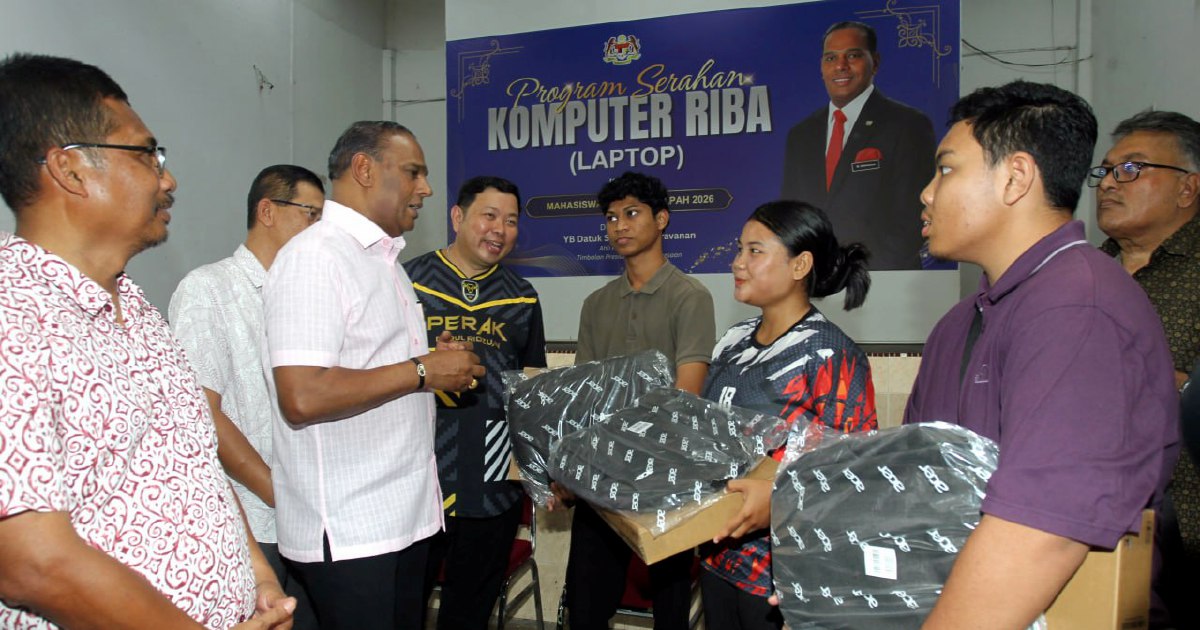
The Malaysian Indian Congress has commenced early mobilisation efforts ahead of the Melaka state election, reflecting the party's determination to strengthen its position in one of Malaysia's key battleground states. Speaking in Tapah, party officials confirmed that MIC has already entered an intensive phase of candidate evaluation and voter outreach, signalling the seriousness with which the coalition partner approaches this electoral contest.
The party's strategy encompasses a comprehensive audit of potential candidates across constituencies, with particular attention to identifying individuals who can credibly represent their respective communities and resonate with local constituents. This candidate vetting process represents a departure from previous approaches, underscoring MIC's recognition that electoral success hinges on fielding competitive, community-rooted nominees rather than relying solely on party machinery or traditional support bases.
Central to MIC's electoral calculus is a deliberate focus on what the party terms "white" voters—a coded reference to uncommitted or swing voters who lack strong partisan allegiances. These voters have become increasingly pivotal in Malaysian elections, as traditional party support erodes and electoral behaviour becomes more volatile. By systematically mapping these voter cohorts, MIC hopes to craft targeted messaging that appeals to undecided constituencies, particularly among younger voters and urban professionals who may not respond to conventional party rhetoric.
For Malaysian readers assessing the political landscape, MIC's strategic emphasis reveals growing recognition that Indian Malaysian voters—who comprise roughly seven percent of the national electorate—are no longer a monolithic bloc. The party acknowledges that community concerns now span economic mobility, education accessibility, and representation in governance, requiring sophisticated campaign strategies rather than reliance on communal loyalty alone. This shift reflects broader democratic maturation across the country.
Melaka holds particular significance for MIC's national standing. The state has witnessed competitive three-cornered contests and shifting coalition dynamics over recent electoral cycles, making it a bellwether for broader political trends. If MIC can consolidate support here and attract swing voters, the resulting momentum could fortify the party's position within the Barisan Nasional coalition and enhance its leverage during future federal negotiations.
The party's groundwork also encompasses detailed analysis of substantive issues animating voter concerns in Melaka. These likely encompass economic opportunity, communal representation in state administration, education quality, and development disparities between constituencies. By identifying which issues resonate most powerfully across different voter segments, MIC can calibrate messaging to maximise electoral appeal while avoiding divisive rhetoric that might alienate fence-sitters.
For Southeast Asian observers, MIC's methodical approach mirrors strategies employed by established political parties across the region responding to electoral volatility. Indonesian, Thai, and Philippine political organisations similarly invest heavily in voter profiling and candidate assessment ahead of elections, recognising that traditional support bases no longer guarantee victory. The Malaysian context reflects this regional trend toward more data-driven, voter-centric campaign strategies.
The timing of MIC's preparations also merits attention. By commencing groundwork early, the party positions itself to influence candidate selection processes, negotiate seat allocations within coalition arrangements, and establish messaging frameworks before competitor parties fully mobilise. In Malaysia's coalition-based political system, such temporal advantages frequently determine electoral outcomes, particularly in marginal constituencies where coalition coordination proves decisive.
Another dimension worth considering involves MIC's relationship with Barisan Nasional partners and opposition coalitions in Melaka. The party must simultaneously maintain coalition unity while projecting independence attractive to swing voters suspicious of over-centralised political machinery. This balancing act has challenged MIC throughout recent electoral cycles, as the party confronts pressure to demonstrate autonomous electoral competitiveness whilst acknowledging its dependence on coalition resources and coordination.
The Indian Malaysian demographic reality underpins MIC's strategic calculations. Concentrated largely in urban and semi-urban areas with substantial service-sector employment, Indian Malaysian communities confront specific economic pressures and social concerns that mainstream Barisan Nasional messaging sometimes inadequately addresses. MIC's groundwork therefore seeks to articulate community-specific concerns within the broader coalition framework, positioning itself as indispensable mediator between Indian Malaysian constituents and federal governance structures.
Looking forward, MIC's early mobilisation suggests confidence in electoral prospects whilst acknowledging competitive pressures from opposition parties increasingly targeting Indian Malaysian voters. The Democratic Action Party and other opposition-aligned organisations have systematically cultivated community support by emphasising social justice themes and anti-corruption narratives that resonate with professional, educated Indian Malaysian populations. MIC's response through strategic candidate selection and voter engagement reflects recognition that community support cannot be taken for granted.
The party's emphasis on evaluating voters alongside candidates indicates sophisticated understanding that modern electoral success requires bidirectional engagement—parties must present candidates worthy of voter support whilst simultaneously understanding voter priorities and concerns. This two-pronged approach, evident in MIC's Melaka preparations, suggests the party has internalised lessons from recent electoral setbacks and is adopting more competitive, analytically rigorous campaign methodologies.

