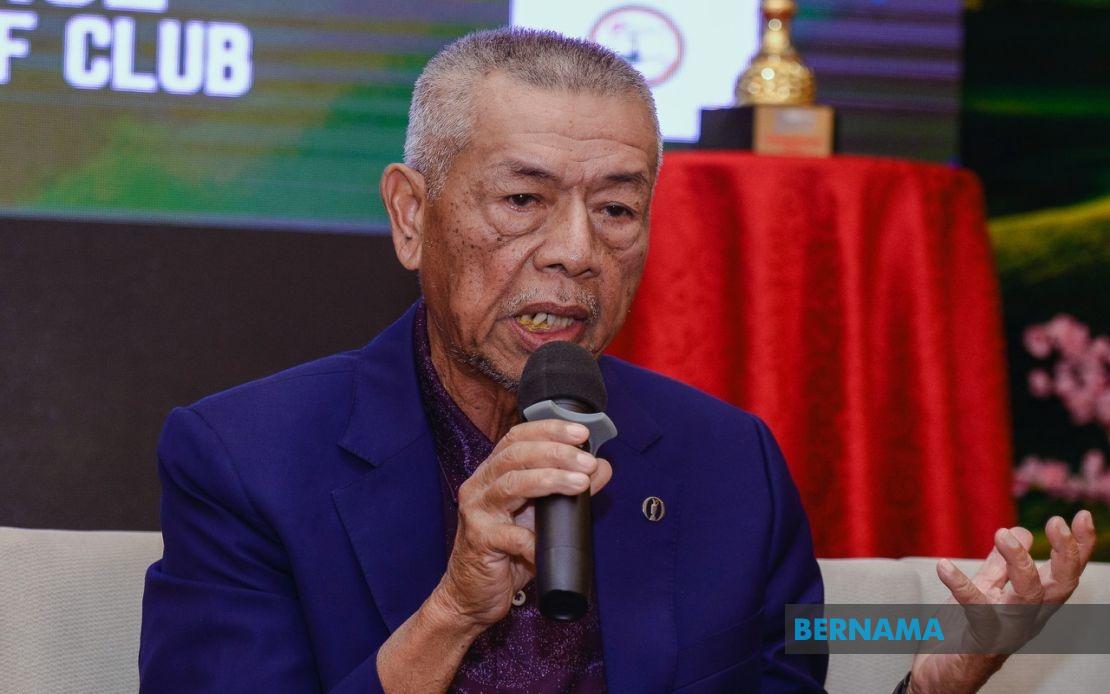
The Malaysian Golf Association has formally petitioned the Ministry of Youth and Sports to establish a full-time national coach position, marking a crucial step in the country's strategic push to elevate its competitive standing in golf ahead of hosting the 2027 SEA Games. Tan Sri Mohd Anwar Mohd Nor, president of the MGA, disclosed this initiative following discussions with Datuk Rahimi Ismail, the ministry's secretary-general, emphasizing that institutional support from government bodies remains essential for realizing the association's development ambitions.
The establishment of a dedicated coaching position represents more than a simple administrative arrangement; it signals Malaysia's commitment to professionalizing its approach to talent development and athlete preparation for one of Asia's most significant sporting festivals. Currently, the absence of a permanent coaching structure has created gaps in continuity and long-term planning that the MGA believes have hindered the national programme's effectiveness. By securing a high-calibre international or locally-based coach, the association envisions implementing a more systematic and evidence-based training regimen that can identify emerging talent and nurture experienced players throughout the Olympic cycle.
During the launch of the 100PLUS MGA National Junior Development Programme Junior Series 2026 at The Mines Resort & Golf Club in Serdang, Mohd Anwar articulated the broader strategic framework underpinning the request. He stressed that collaboration between the MGA, the Ministry of Youth and Sports, and the National Sports Council would be instrumental in translating organizational aspirations into concrete outcomes. This multi-agency coordination reflects the reality that elite sport development in Malaysia increasingly requires alignment across government departments, funding bodies, and grassroots programmes to create a coherent pathway from junior competition to international representation.
The 2027 SEA Games presents both an opportunity and a challenge for Malaysian golf. As the host nation, Malaysia carries the burden of expectation to perform strongly on home soil, a pressure that historically motivates resource allocation and public attention. Conversely, hosting duties impose logistical and organizational demands that can divert attention from competitive preparation. The MGA's proactive approach in securing coaching support early in the preparation cycle demonstrates awareness of this tension and a determination to ensure that administrative responsibilities do not compromise athletic performance.
Beyond the coaching position, the MGA has begun constructing a multi-layered preparation strategy that extends geographically across Malaysia's states. Mohd Anwar revealed that the association has explored the possibility of conducting specialized training camps in Sarawak, having met recently with Datuk Seri Abdul Karim Rahman Hamzah, the state's Minister of Youth, Sports and Entrepreneur Development. This decentralized approach taps into regional golf infrastructure and expertise while potentially strengthening the sport's grassroots presence in East Malaysia, an area that has historically received less institutional focus than Peninsular Malaysia.
The junior development programme launched during the event underscores the MGA's commitment to building depth within the national talent pool. By investing in structured pathways for young players through the 100PLUS sponsorship arrangement, the association acknowledges that sustainable competitive success depends not on immediate medal chasing but on cultivating a generation of players who can sustain Malaysia's presence in international golf over the coming decade. This long-term perspective, combined with short-term preparations for 2027, reflects a maturing institutional mindset within Malaysian sports governance.
Southeast Asia's golf landscape has become increasingly competitive, with players from Thailand, Vietnam, and Indonesia gaining prominence on regional and continental circuits. Malaysia's historical strength in the sport faces fresh challenges as neighbouring countries invest in grassroots development and elite coaching. The MGA's push for a full-time national coach must be understood within this competitive context; without adequate institutional investment, Malaysia risks losing relative standing to neighbours who are modernizing their sporting infrastructure.
The ministry's response to the MGA's request will serve as a litmus test for government priorities in sports development. Golf, while less visible than football or badminton in public discourse, commands significant resources and generates international exposure through professional tournaments and major amateur championships. The decision to fund or defer a permanent coaching position will signal whether the government views sports development strategically across all disciplines or concentrates resources on traditional crowd-drawing sports.
For Malaysian golf, the convergence of hosting responsibility, competitive ambition, and institutional reform creates a critical juncture. The next eighteen months will determine whether the MGA can translate its strategic vision into operational reality, securing not only a qualified coach but also the supporting infrastructure, funding, and planning frameworks necessary to mount a credible challenge at the 2027 Games. Success in this endeavour could establish a model for sports development that extends beyond golf, demonstrating that systematic investment in coaching, talent identification, and preparation yields measurable competitive returns.