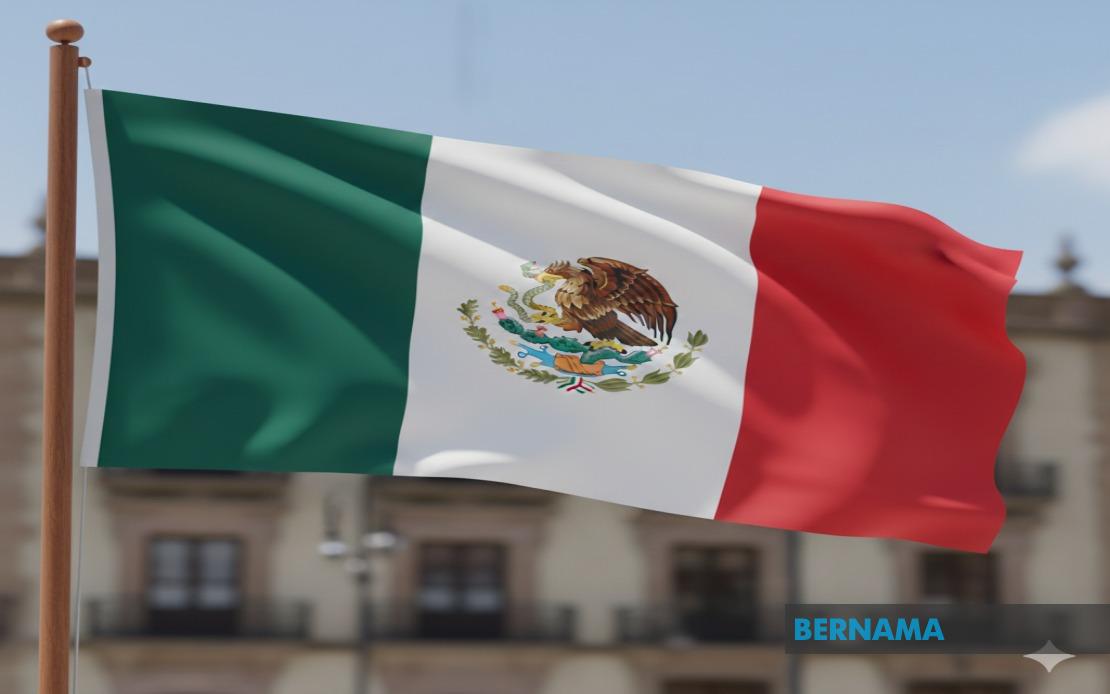
Mexico has taken its concerns about deaths involving the US Immigration and Customs Enforcement agency to the United Nations, marking a significant escalation in how the Mexican government is responding to what it views as preventable fatalities among its nationals. Foreign Minister Roberto Velasco sent a letter to UN High Commissioner Volker Türk requesting a formal review of the incidents, according to Mexico's Foreign Ministry. This move signals Mexico's determination to move beyond traditional diplomatic channels and seek international scrutiny of the circumstances surrounding these deaths.
The request to the UN High Commissioner's office encompasses a comprehensive examination of the cases, with specific asks that include obtaining detailed information from US authorities about what occurred during each incident. Mexico wants the High Commissioner to assess whether the deaths and related conduct align with the commitments the United States has made under various international human rights treaties and conventions. Beyond this assessment, Mexico is requesting that the office issue formal recommendations and, if circumstances warrant, escalate the matter to specialized UN Human Rights Council procedures that focus on particular human rights concerns.
President Claudia Sheinbaum has signalled that Mexico's approach will no longer be confined to diplomatic representations. Last week, she announced that Mexico would pursue legal remedies against those responsible for the deaths. This represents a meaningful shift in posture from Mexico, which traditionally relies on negotiation and diplomatic pressure when its citizens face harm abroad. The willingness to pursue legal action reflects frustration with the pace and outcomes of previous diplomatic efforts and the severity with which Mexico's government views the incidents.
The scale of the problem, according to Mexican government figures, involves three deaths that occurred directly during ICE operations and an additional 14 deaths among individuals held in deportation detention centres. While the total number may appear modest relative to broader migration patterns, each case represents a Mexican family grieving a loss and a potential breach of duty of care by authorities responsible for detaining foreign nationals. The government, working closely with the Attorney General's Office, is preparing a formal complaint to submit to the US Justice Department through Mexico's Washington embassy, establishing an official record of Mexico's grievances.
Parallel to federal action, Mexico's embassy and its network of consulates throughout the United States have begun filing complaints with state-level prosecutorial offices in jurisdictions where the deaths occurred. This dual-track approach reflects the complexity of the American legal system, where both federal and state authorities may have investigative and prosecutorial responsibilities. By engaging at multiple levels of the US legal apparatus, Mexico increases the likelihood that its concerns will receive attention and potentially lead to accountability mechanisms.
A particularly symbolic action has been Mexico's dispatch of cease-and-desist letters to detention facilities involved in the cases. The first such letter was sent to the Adelanto detention facility in California. These letters represent more than procedural formality; they constitute the opening moves in what could become civil litigation, putting detention operators on formal notice of Mexico's claims and establishing a paper trail that strengthens potential future lawsuits. The Adelanto facility, a private detention centre, may face particular vulnerability to civil action given that private corporations typically face different liability standards than government agencies.
The most recent triggering incident involved Lorenzo Salgado Araujo, a Mexican citizen shot by an ICE officer on July 7 in Houston. Araujo, who had established himself in the Houston area over more than thirty years and operated a construction business, was killed during what the Department of Homeland Security characterizes as a dangerous confrontation. According to DHS accounts, Araujo refused to comply with officers' commands, used his vehicle to strike a law enforcement vehicle, and attempted to hit an officer with his car, prompting the lethal response.
However, the official account is being vigorously contested. Salgado's relatives, alongside civil rights advocacy organizations and Democratic members of the US Congress, are demanding an independent investigation into the shooting. Their skepticism reflects broader concerns about the circumstances surrounding ICE operations and whether the agency adequately exhausts non-lethal options before resorting to firearms. The Salgado case exemplifies tensions between enforcement narratives and those of communities experiencing enforcement actions, with fundamental disagreements about what actually transpired during the operation.
For Malaysia and Southeast Asian observers, Mexico's actions offer insight into how middle-income countries can leverage international human rights mechanisms to protect their nationals abroad. As Southeast Asian workers and migrants increasingly find themselves in situations involving detention or law enforcement action in developed countries, the Mexican approach of combining domestic legal action with UN human rights intervention presents a potential model. Malaysia itself maintains a large diaspora and has occasionally faced similar challenges involving its citizens detained or harmed in foreign jurisdictions.
The UN Human Rights Council's mechanisms, while sometimes criticized as slow-moving or ineffective, can generate international pressure and documentation that influences domestic policy discussions. Mexico's referral to the High Commissioner establishes an independent international record separate from both Mexican and American government narratives. Should the High Commissioner's office recommend remedial measures or find violations, such determinations carry weight in international forums and can influence bilateral relations beyond the specific incidents examined.
The broader context involves tensions between immigration enforcement and human rights protection across North America. Mexico itself faces pressures regarding how its authorities treat migrants transiting through Mexican territory or detained by Mexican immigration agencies. However, Mexico's government has calculated that highlighting ICE operations serves its foreign policy interests by establishing Mexico as an advocate for migrant protections and maintaining political pressure on the US regarding migration policy more broadly.
The practical implications for Mexican citizens remain unclear. While international mechanisms provide formal recourse and documentation, they rarely result in compensation or criminal prosecutions of individual officers. The civil litigation route may prove more financially productive for victims' families, though US courts generally provide some immunity protections for government personnel acting in official capacities. Mexico's multi-pronged strategy appears designed to maximize pressure and possibilities across different legal and diplomatic channels simultaneously.

