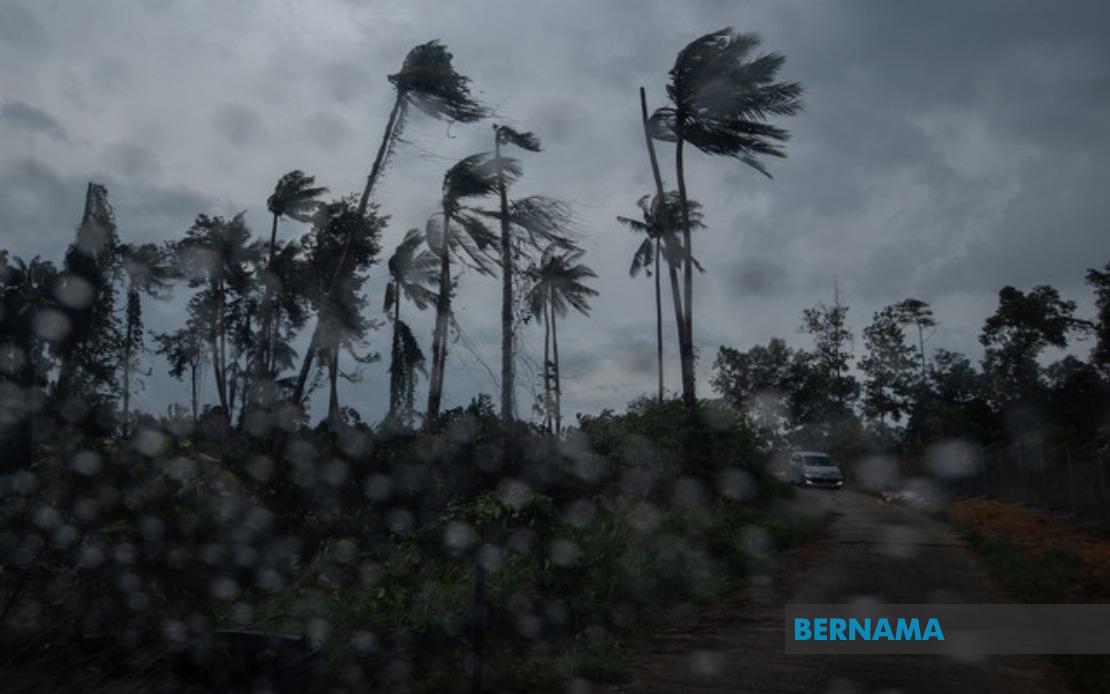
The Malaysian Meteorological Department issued a widespread weather alert on Monday afternoon, cautioning residents across nine states to prepare for intense thunderstorms and hazardous conditions. The advisory, released at 2.40 pm, covers an extensive stretch of the country from the northern Peninsular regions down to the eastern seaboard, with significant portions of East Malaysia also in the warning zone. The alert remains in effect until 5 pm, giving residents and authorities a narrow window to take necessary precautions against the severe weather system.
In the northern Peninsular region, Kedah faces the most extensive coverage, with six districts on alert: Baling, Sik, Kulim, Kuala Muda, Pendang, and Yan. Neighbouring Penang is also in the warning zone, specifically the two Seberang Perai divisions—Utara and Tengah—which encompass densely populated areas and significant industrial zones. The geographical proximity of these warnings suggests a cohesive weather system moving through the northwestern corridor, potentially affecting transportation networks and commercial activities that serve as economic arteries for both states.
Perak residents should remain vigilant as seven districts have been identified as vulnerable to the approaching weather conditions. The affected areas—Mualim, Kinta, Kampar, Batang Padang, Perak Tengah, Hilir Perak, and Kuala Kangsar—represent a substantial portion of the state's population and economic activity. These districts encompass both urban centres and rural communities, meaning the warning's implications span multiple sectors from manufacturing to agriculture. The concentration of alerts in Perak suggests the state lies directly in the path of the weather system's progression.
Moving eastward, Terengganu faces threats to four districts: Dungun, Marang, Kuala Terengganu, and Kuala Nerus. These areas include the state capital and important coastal zones, which could experience complications from the combination of heavy rainfall and strong winds, particularly affecting maritime activities and low-lying coastal communities. Pahang, Malaysia's largest state by area, faces an even more extensive alert covering eight districts: Cameron Highlands, Lipis, Raub, Bentong, Bera, Rompin, Temerloh, and Maran. This broad coverage reflects how Pahang's geographical position makes it susceptible to weather systems traversing the peninsula's interior and eastern regions.
The alert extends into the central region, with Negeri Sembilan placing five districts on high alert: Seremban, Jempol, Tampin, Kuala Pilah, and Jelebu. Seremban's inclusion is particularly notable given its status as the state capital and a transportation hub connecting major routes within central Peninsular Malaysia. In contrast, Johor experiences relatively limited impact, with only Segamat identified in the warning zone, suggesting the weather system's southern progression may be weaker or more dispersed.
East Malaysia experiences similarly serious conditions under separate but concurrent warnings. Sarawak's alert encompasses multiple districts spread across different divisions, indicating widespread vulnerability. The warning covers Miri's Marudi area, Limbang, Mukah, the Sibu division including Sibu and Selangau, the Sarikei division covering Maradong and Sarikei, and the Bintulu division including both Bintulu and Tatau. These areas represent diverse geographical and demographic zones across Sarawak, from coastal regions to interior communities dependent on river transportation and land routes.
Sabah faces threats to strategically important areas across multiple divisions. The Interior Division encompasses six districts—Keningau, Tambunan, Membakut, Tenom, Sipitang, and Beaufort—which together form a significant agricultural and commodity-producing region. Additionally, the West Coast division and Kudat district, encompassing Kota Marudu, are included in the warning. These areas are critical to Sabah's economy and hold considerable populations, making the potential impacts from thunderstorms, heavy rainfall, and strong winds substantial.
Thunderstorms of this magnitude pose multiple hazards beyond the immediate discomfort of heavy precipitation and wind. Strong winds can compromise structural integrity of buildings, disrupt utility services, and pose serious risks to outdoor activities and transportation. Heavy rainfall in short periods can trigger flash flooding in low-lying areas, overwhelm drainage systems in urban centres, and create hazardous driving conditions on highways. The combination of these weather elements creates compounded risks for public safety, particularly in areas with vulnerable infrastructure or populations dependent on outdoor livelihoods.
The three-hour warning window provides authorities and residents with limited but critical preparation time. State disaster management agencies typically activate emergency protocols, pre-position rescue equipment, and alert relevant departments to readiness status. Residents are typically advised to secure loose outdoor items, avoid unnecessary travel, remain indoors during peak weather conditions, and monitor official updates from MetMalaysia for developments. Schools and businesses in affected areas may implement contingency measures or early closures depending on severity assessments.
MetMalaysia's alert system represents a crucial public safety mechanism in a tropical region where sudden weather changes can rapidly escalate from manageable to dangerous. The specificity of district-level warnings allows for more targeted public communication compared to state-wide alerts, though coordination across administrative boundaries remains essential given how weather systems often disregard political demarcations. As climate patterns continue to shift, the frequency and intensity of such localised severe weather events remain topics of scientific and policy discussion within Malaysia's meteorological and environmental sectors.
Residents in the identified areas are advised to remain alert to official updates and exercise caution until the warning period concludes at 5 pm. Those in flood-prone zones should consider precautionary measures, while motorists should anticipate potential delays and exercise enhanced care on affected routes. The comprehensive nature of this alert, spanning multiple states and regions, underscores how a single weather system can create widespread impacts across Malaysia's diverse geography and populations.

