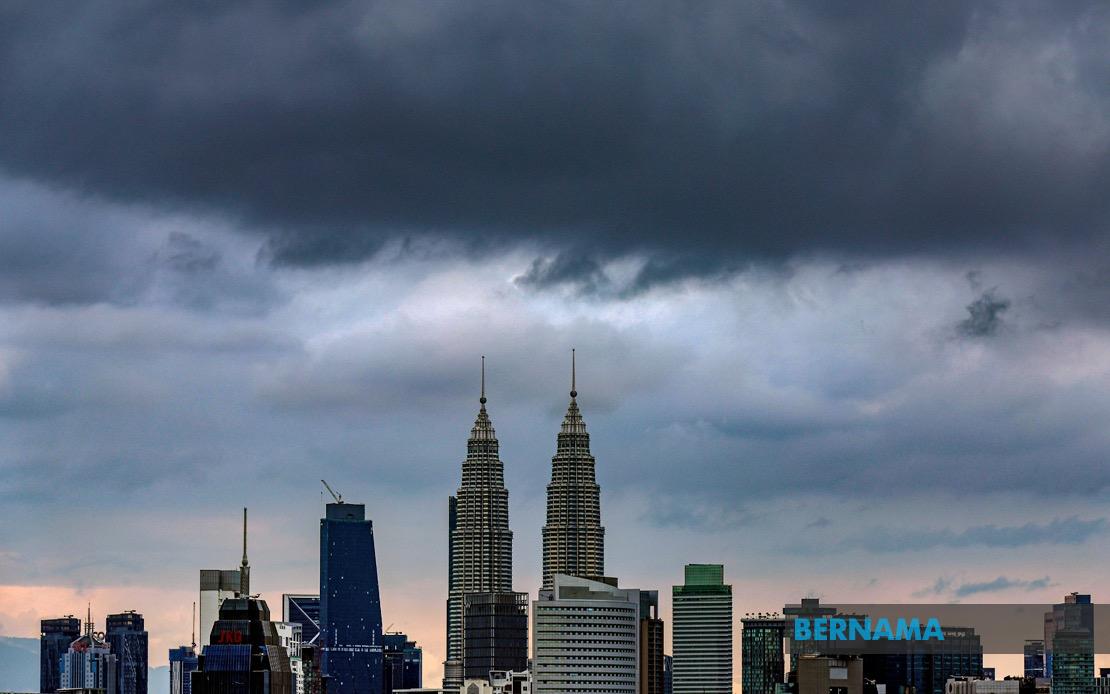
The Malaysian Meteorological Department has activated a weather warning affecting a significant swathe of the country's populated regions, cautioning residents of Kuala Lumpur, Putrajaya and numerous other states to prepare for severe atmospheric conditions throughout the morning and early afternoon hours. The alert, issued on July 23, encompasses thunderstorms accompanied by heavy downpours and gusty winds expected to persist until 3 pm, prompting meteorologists to advise residents and commuters to exercise caution during travel and outdoor activities.
Kedah faces particular vulnerability, with specific districts identified as hotspots for the adverse weather. The affected areas within the northern state include Yan, Pendang, Kuala Muda, Sik, Baling, Kulim and Bandar Baharu, suggesting a widespread pattern of instability across both the coastal plains and interior highland regions. This distribution indicates that the weather system has sufficient intensity and spatial extent to impact multiple topographical zones simultaneously, a characteristic typical of pre-monsoon convective disturbances common to the peninsula during this season.
Peering further south, Perak has also been flagged as vulnerable, with two district clusters specifically mentioned. The coastal regions of Kerian and the combined districts of Larut, Matang and Selama face the brunt of expected precipitation, reflecting the tendency for such weather systems to intensify over areas exposed to maritime influences and orographic lifting effects from nearby mountain ranges.
The entire island state of Penang falls within the warning zone, a particularly significant development given the state's dense urbanisation and substantial commuter populations dependent on road and rail networks. Simultaneous warnings across the island indicate that no geographic sanctuary exists from the expected conditions, necessitating comprehensive preparedness across all municipal and transport authorities.
Selangor, the nation's economic powerhouse and most densely populated state, faces fragmented but significant exposure. The areas of concern encompass Kuala Selangor, Klang, Gombak, Petaling, Kuala Langat, Hulu Langat and Sepang, creating a patchwork of vulnerability across suburban, industrial and peripheral zones. This distribution pattern suggests that the weather system, while not uniformly distributed, will nonetheless disrupt economic activity and daily life across multiple sectors simultaneously.
Southern Pahang, specifically the Rompin district, has been included in the alert, suggesting that the weather disturbance extends well beyond the central corridor. This southern penetration indicates a system of considerable geographic breadth and meteorological intensity, potentially driven by moisture convergence zones that extend across multiple states and regions.
Negeri Sembilan faces threats to three distinct areas: Seremban, Port Dickson and the combined cluster of Rembau and Tampin. The inclusion of Port Dickson, a coastal locality, underscores the likelihood of enhanced precipitation over maritime zones where atmospheric moisture availability is elevated. This coastal vulnerability pattern repeats across affected regions, suggesting that maritime proximity intensifies precipitation potential.
Melaka and Johor complete the warning zone, with the southern state experiencing threats to five localities: Tangkak, Segamat, Muar, Batu Pahat and Kluang. These districts represent a substantial portion of Johor's population and economic activity, with implications for both the agricultural sector and the state's transport corridors. The geographic spread across Johor, from interior districts like Segamat to coastal zones like Muar, reinforces the notion that the weather system maintains sufficient energy to affect diverse climatic zones.
For Malaysian residents and authorities, such warnings carry substantial practical implications. Flash flooding poses risks in low-lying areas, while strong winds threaten unstable structures and tree canopies. Schools, construction sites and outdoor events require contingency planning, while transport operators must anticipate delays and disruptions. Emergency services across affected states typically move to heightened alert status, positioning personnel and equipment for rapid response to weather-related incidents.
The three-hour window until 3 pm represents the critical period of intensity, though residents should remain cautious for several hours beyond the official alert expiry as convective systems frequently persist or redevelop rapidly. The concentration of warnings across Malaysia's most economically vital regions—encompassing the Klang Valley, Penang and parts of Johor—underscores the potential for significant disruption to commercial activity, manufacturing operations and service delivery.
MetMalaysia's specificity in identifying individual districts rather than entire states reflects modern meteorological forecasting sophistication, enabling more precise warnings that reduce unnecessary alarm while maintaining essential alert accuracy. However, this granularity also requires residents to remain attentive to official channels, as blanket state-level caution may mask localised reprieve in certain areas while missing threats in adjacent zones.

