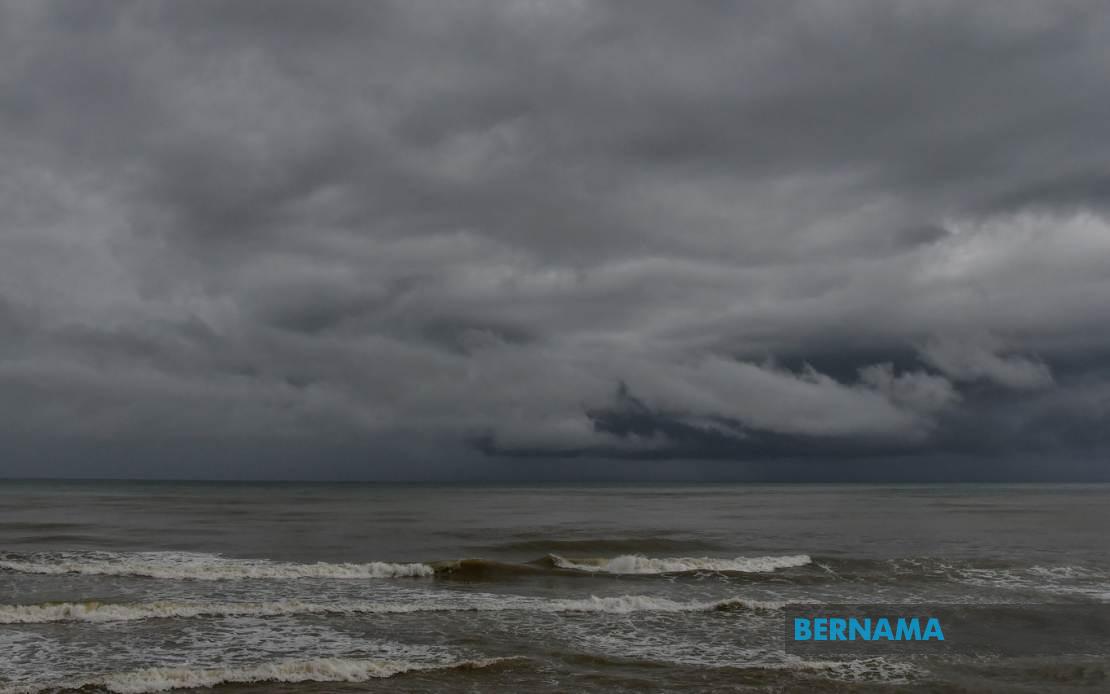
The Malaysian Meteorological Department has issued a weather advisory covering multiple regions across the country, warning of severe thunderstorms, heavy rainfall, and strong winds that are expected to persist throughout the afternoon and evening. The alert remains in effect until 9pm today, prompting residents and commuters in affected areas to take appropriate precautions and remain vigilant about changing conditions.
In Peninsular Malaysia, the warning encompasses a significant portion of the western states. Perlis faces the threat of severe weather, while neighbouring Kedah has been flagged with particular attention to districts including Langkawi, Kubang Pasu, Padang Terap, Sik, Baling, Kulim, and Bandar Baharu. The alert extends across much of Perak's geography, affecting Kerian, Larut, Matang and Selama, Hilir Perak, Batang Padang, and Muallim, suggesting the system poses a widespread threat to the northern region.
The central corridor of Peninsular Malaysia is equally vulnerable. Kuala Lumpur residents should expect disruptions to outdoor activities and travel conditions, while Selangor faces threats across multiple zones spanning from the coastal areas of Sabak Bernam and Kuala Selangor through to Hulu Selangor, and including major urban centres such as Klang, Gombak, and Petaling. This geographic spread indicates that the Klang Valley and surrounding areas, which experience significant daily traffic and commercial activity, will likely experience travel delays and disruptions to services.
Southern Peninsular Malaysia is not spared from the system's impact. Johor residents in Kulai and Johor Bahru, the state's principal economic and administrative centre, have been advised to prepare for severe weather conditions. The inclusion of Johor Bahru in the warning is particularly significant given the city's role as a major transport hub connecting Malaysia to Singapore and serving as a gateway for commercial activity in the southern region.
The severe weather system's reach extends into Malaysian Borneo, affecting Sabah across multiple geographically and economically significant areas. The Interior region, which encompasses extensive rural and developing areas, faces the threat, as does the West Coast division covering major settlements including Papar, Putatan, Penampang, Kota Kinabalu, Tuaran, and Ranau. These areas, particularly Kota Kinabalu, are economically vital to the state and host substantial populations that depend on stable weather for daily activities. The Sandakan division, encompassing Tongod, Telupid, and Beluran, adds another dimension to the warning's geographic scope.
In Sarawak, the affected districts include Kapit with its subdivisions of Kapit, Bukit Mabong, and Belaga, reflecting the system's penetration into inland regions. The coastal divisions of Miri and Limbang are similarly in the warning zone, suggesting that the system affects both developed urban centres and more remote communities throughout the state.
Thunderstorm conditions of this severity can present immediate hazards to the public. Heavy rainfall can rapidly overwhelm drainage systems, particularly in urban areas with inadequate stormwater management, leading to flash floods that disrupt transport and strand motorists. Strong winds accompanying such storms can topple trees, damage structures, and compromise utility lines, potentially leaving communities without power. The combination of these factors creates compound risks that extend beyond simple inconvenience to genuine safety concerns for residents and travellers.
MetMalaysia's alerts are issued based on meteorological models and real-time atmospheric data indicating atmospheric instability and moisture convergence capable of producing these severe phenomena. The specificity of the warning, naming particular districts and setting a definite time window, reflects the department's confidence in the forecast and underscores the importance of public awareness and preparedness. Residents are typically advised to avoid unnecessary outdoor activities, secure loose items that wind could displace, monitor weather updates continuously, and remain aware of potential flooding in low-lying areas.
For those travelling or working in affected regions, the alert carries practical implications. Commuters should anticipate traffic congestion resulting from reduced visibility, road surface hazards, and general caution exercised by drivers during severe weather. Businesses operating in these areas may experience staffing challenges as employees face difficulties reaching workplaces safely. The tourism sector, particularly in destinations like Langkawi, Kota Kinabalu, and Miri, may experience disruptions to outdoor activities and potentially hazardous conditions for water-based operations.
The timing of the alert until 9pm suggests that evening rush hour and commute patterns in major urban areas will intersect with peak storm conditions, potentially creating significant traffic management challenges. Authorities in affected states are likely to increase monitoring of vulnerable areas, including flood-prone roads, while utility companies may preposition personnel to respond to power disruptions and fallen infrastructure.
Citizens in the warned areas should remain tuned to official meteorological updates from MetMalaysia, local emergency management agencies, and radio and television bulletins. Many local authorities maintain dedicated hotlines and social media channels providing real-time updates on road conditions, flooding reports, and relevant warnings. This multi-layered information approach ensures that residents can make informed decisions about movement and activities throughout the alert period, ultimately minimizing exposure to weather-related hazards.

