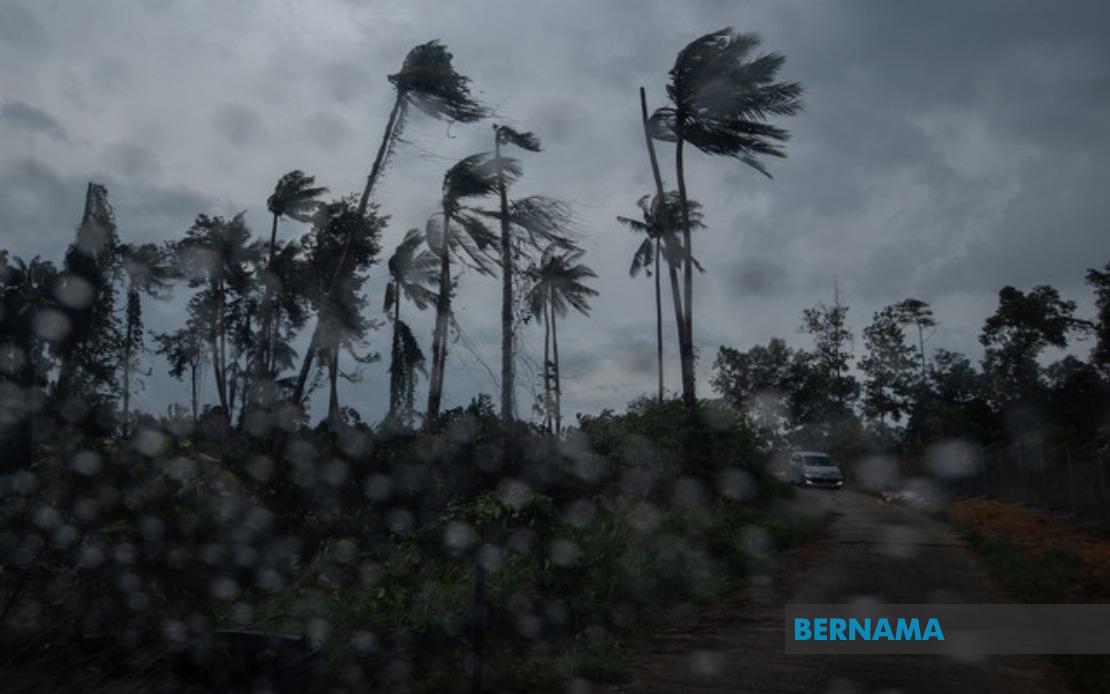
The Malaysian Meteorological Department has issued a weather warning covering numerous districts across the country, alerting residents to prepare for thunderstorms, heavy rainfall and gusty winds expected to persist throughout the afternoon and into early evening. The alert, which remains in force until 6pm, encompasses a broad swathe of populated and rural areas, signalling potential disruptions to transport, commerce and outdoor activities across three major regions.
In Kedah, the northern state faces risks primarily concentrated in the popular tourist destination of Langkawi, which regularly experiences intense seasonal downpours during monsoon periods. The warning reflects the volatile weather patterns common during this time of year, when atmospheric conditions favour the rapid development of severe convective storms across northern Peninsular Malaysia.
Perak, one of the largest states by area, sees warnings affecting six separate administrative divisions: Kinta, Perak Tengah, Kampar, Hilir Perak, Batang Padang and Muallim. This widespread coverage indicates meteorologists have identified unstable atmospheric conditions across the state's varied terrain, from lowland river basins to elevated interior regions that can amplify rainfall intensity.
The East Coast states of Kelantan and Terengganu face particularly extensive warnings. Kelantan's alert encompasses nine districts including major urban centres such as Kota Bharu and Kuantan, whilst Terengganu's coverage spans four districts. These states are historically prone to significant rainfall and flooding, making such warnings especially significant for residents and local authorities responsible for drainage and emergency response infrastructure.
Pahang, Malaysia's largest state, has warnings affecting nine localities stretching from the cooler highland regions of Cameron Highlands through to the coastal areas of Pekan and the agricultural heartland around Temerloh. The inclusion of Cameron Highlands is notable, as the high-altitude area can experience particularly severe weather when monsoon systems interact with terrain features. Selangor's warnings focus on the semi-rural northern districts of Hulu Selangor and Gombak, which frequently experience flash flooding during heavy downpours due to rapid runoff from surrounding elevated areas.
Negeri Sembilan and Johor, situated in central and southern Peninsular Malaysia respectively, are not exempt from the alert. Negeri Sembilan's warning covers Jempol and Tampin, whilst Johor's coverage includes five districts spanning the state from Tangkak in the west to the southern coastal town of Kota Tinggi. Johor's inclusion of Mersing and Kota Tinggi highlights meteorological concerns in areas popular with weekend visitors and tourists seeking beach activities.
Beyond the peninsula, Sabah faces warnings across multiple regions reflecting the state's monsoon vulnerability. The Interior Division districts of Sipitang, Tenom, Beaufort, Keningau and Tambunan represent economically significant areas centred on agriculture and resource extraction. The West Coast districts of Papar, Putatan, Penampang, Kota Kinabalu and Tuaran encompass the state capital and surrounding industrial and residential zones where severe weather poses infrastructure risks. Additional warnings in Lahad Datu and Kinabatangan extend coverage to economically important eastern areas.
Sarawak's affected areas include Tatau and Sebauh in the Bintulu division, representing communities in the central coastal region, alongside Subis in Miri division and the division of Limbang. These warnings underscore how seasonal weather patterns impact both Peninsular Malaysia and East Malaysia simultaneously, reflecting broader regional atmospheric circulation systems that operate across the entire country.
Thunderstorms and heavy rainfall of this magnitude pose multiple hazards for Malaysian communities. Traffic congestion typically increases as motorists reduce speeds and visibility deteriorates, whilst public transport faces delays and occasional service disruptions. Agricultural areas remain vulnerable to crop damage and waterlogging, particularly affecting rice paddies and vegetable farms during critical growing periods. Low-lying urban zones risk flash flooding when drainage systems become overwhelmed, a persistent challenge in rapidly urbanising areas lacking adequate stormwater infrastructure.
For residents in affected districts, the MetMalaysia alert serves as a reminder to exercise caution during outdoor activities and take preventative measures to protect property and livestock. Motorists should adjust travel plans where feasible, whilst those in flood-prone zones may consider moving vehicles and valuables to higher ground. The short timeframe of the warning—lasting only until 6pm—suggests meteorologists expect these conditions to moderate as atmospheric instability gradually decreases through the evening period.
The comprehensive nature of this alert, spanning multiple states and encompassing both peninsular and East Malaysian territories, demonstrates the widespread impact of tropical weather systems that periodically sweep across the nation. Such warnings remain crucial tools for public safety, allowing residents, businesses and government agencies to implement preparedness measures that mitigate risks during severe weather episodes.

