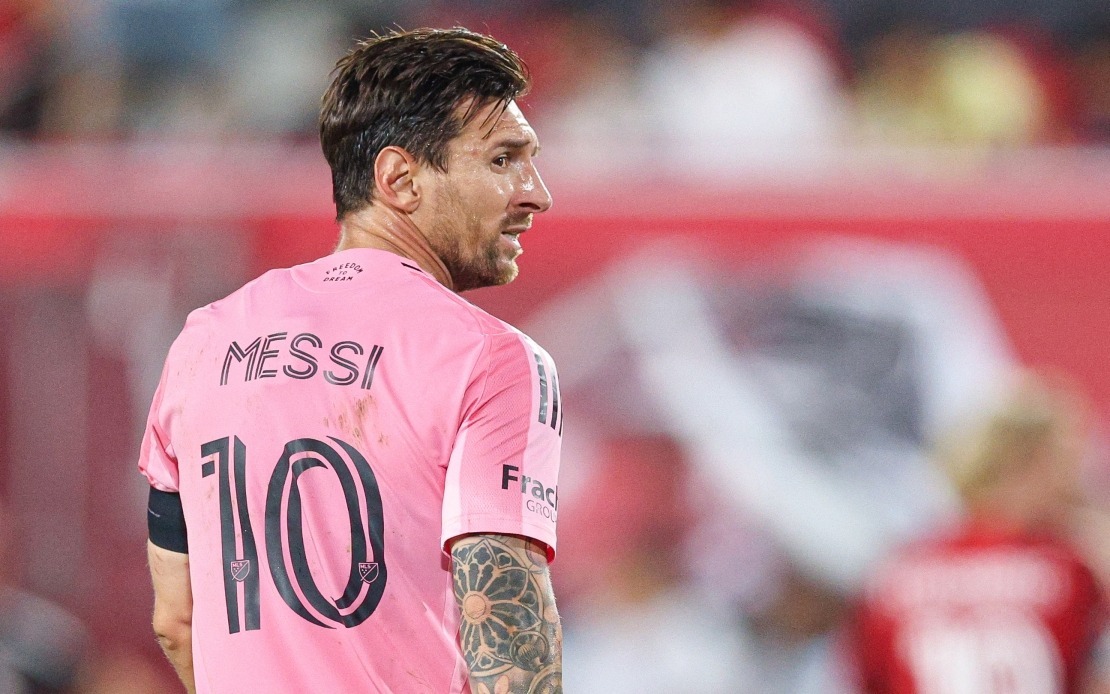
Lionel Messi took the field for Inter Miami on Wednesday as a second-half replacement in the team's 3-2 loss to Leon, marking his return to action following the death of his father Jorge. The appearance came just days after the Argentina captain shared an emotional social media statement expressing profound doubts about his future in professional football, raising questions about whether grief would prompt the legendary player to walk away from the sport at the age of 37.
Jorge Messi, who had guided his son's career from age 14 and witnessed the development of what many consider the finest footballer of all time, passed away last week. The family held a private funeral service at a cemetery in Perez, a town near Rosario in Argentina, on Sunday. Messi had been absent from Inter Miami's previous fixture against Monterrey on Saturday, with his absence reflecting the raw nature of his loss during this deeply difficult period.
The emotional weight of Jorge's passing was evident in the statement Messi shared publicly. Writing directly to his father, he expressed the anguish of losing someone so integral to every stage of his life and career. "You were by my side from the beginning; there was so little left until the end," he wrote, capturing the sense of timing and unfinished chapters. The posts continued with stark expressions of uncertainty about his direction without his father's presence and guidance, revealing the psychological struggle behind the sporting achievements that have defined his legacy.
Jorge's influence on his son's career cannot be overstated. Beyond the role of agent, he served as mentor, confidant, and constant presence through three decades of football. He had been instrumental in persuading Messi to compete in one final World Cup despite deteriorating health, a conversation that appears to weigh heavily on the player now. Argentina's runner-up finish at the 2024 Copa America, where the team lost 1-0 to Spain in extra time, adds additional context to the father's hopes for one last tournament triumph together.
Messi's participation in Wednesday's Leagues Cup match surprised observers given his recent statements about fundamental uncertainty regarding his future. The timing and emotional context make the appearance particularly significant. Inter Miami manager Guillermo Hoyos demonstrated empathy in his post-match remarks, drawing on his own experience with paternal loss. He acknowledged the profound and lasting nature of such grief, describing it as a blow that extends beyond the immediate moment and leaves individuals feeling abandoned despite their achievements and support systems.
The opposition coach, Javier Gandolfi, offered a different perspective on Messi's character and resilience. Rather than focusing on the tragedy itself, Gandolfi highlighted the player's essential humanity and exceptional qualities both on and off the pitch. His comments suggested that Messi's demonstrated ability to function under such circumstances itself represents a form of greatness, extending beyond statistical achievement into the realm of human fortitude.
For Malaysian and Southeast Asian football enthusiasts, Messi's situation resonates deeply within broader conversations about the intersection of personal loss and professional commitment. The story underscores how grief transcends cultural and geographic boundaries, affecting even the world's most celebrated athletes. It also raises important questions about the expectations placed on public figures to perform during moments of profound personal crisis.
The appearance at Inter Miami represents a preliminary answer to the existential question Messi posed in his statement about his future. While his words suggested potential retirement was under serious consideration, Wednesday's match indicates he has found some capacity to continue, at least in the immediate term. However, this should not be interpreted as resolution to his stated doubts but rather as a tentative step forward during the early stages of grief processing.
Jorge's legacy extends beyond his role as agent and father. He embodied the bridge between Messi's childhood in Rosario and his ascent to becoming arguably sport's greatest player. The relationship represented a continuity that anchored the footballer through decades of extraordinary change, pressure, and expectation. Losing that anchor inevitably raises questions about identity and purpose that transcend sporting considerations.
Messi's return to the field, modest as it was in terms of his usual standards, offers a glimpse into how elite athletes navigate personal tragedy while maintaining professional obligations. The match served as a quiet statement that life and work continue, even when fundamental support systems have been removed. Whether this represents the beginning of a path toward acceptance or a temporary respite before more significant decisions remain unclear, but the fact of his appearance itself carries meaning beyond the final score.

