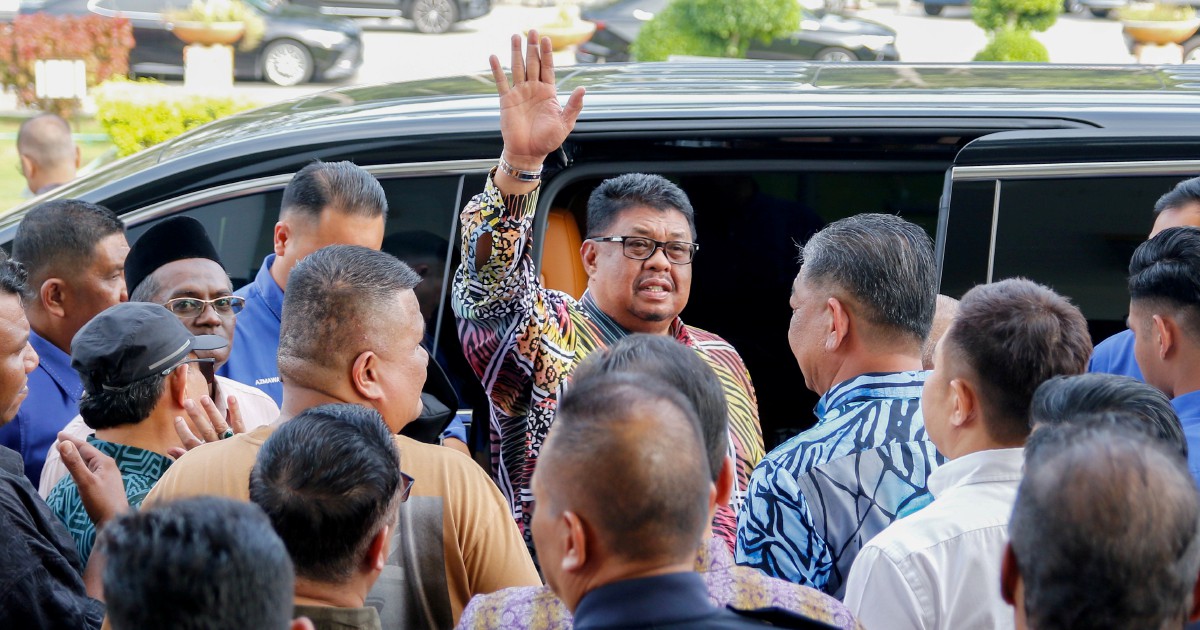
At a gathering in Ayer Keroh, Melaka Barisan Nasional chairman Datuk Seri Ab Rauf Yusoh articulated his coalition's commanding position in state politics by drawing a colourful comparison to matters of courtship and attraction. He characterised Melaka BN as a 'beautiful maiden' being actively pursued by numerous other political coalitions, each hoping to establish cooperative arrangements as the state heads toward the electoral cycle. The framing reflects confidence in BN's electoral standing and broader appeal within Melaka's political landscape.
This romantic metaphor carries deeper strategic implications for Malaysian political observers. The language suggests that BN leadership perceives its coalition as holding the initiative in negotiations over potential alignments and political partnerships. Rather than positioning Melaka BN as a coalition desperately seeking allies, the imagery inverts the dynamic, presenting the grouping as the prize that rival formations covet. Such rhetoric frequently precedes discussions about seat distributions, campaign cooperation, or formal coalition arrangements at the state level.
The context of forthcoming state elections in Melaka makes Ab Rauf's commentary particularly significant. State elections often serve as testing grounds for broader political strategies and coalition configurations at the national level. The composition of governing coalitions in individual states influences balance-of-power calculations in Parliament and shapes intra-coalition dynamics within larger federations like BN itself. How Melaka's political formations align ahead of their election can thus reverberate across Malaysia's political architecture.
The notion of multiple suitors vying for Melaka BN's attention underscores the coalition's relevance in contemporary state politics. That other groupings see value in cooperation with BN indicates the coalition retains sufficient electoral clout and political capital to make such partnerships worthwhile. In regions where coalitions possess weak voter bases or limited institutional resources, such courtship behaviour would be implausible. The presence of multiple interested parties therefore serves as a barometer of BN's standing.
Melaka's political trajectory has witnessed considerable shifts over recent decades. The state has alternated between BN and opposition control, with different coalitions proving capable of mobilising voter support. The current emphasis on BN's attractiveness to potential partners may reflect gains registered in recent electoral cycles or demographic shifts that favour the coalition's electoral performance. Understanding which specific formations are positioning themselves as suitors requires examining alignment patterns among Melaka's state-level parties and component organisations.
Ab Rauf's commentary also carries implications for inter-party negotiations within BN itself. Different component parties within the coalition maintain varying levels of influence across Malaysian states, with some possessing stronger traditional bases than others. The chairman's framing of Melaka BN as highly desirable to external partners potentially strengthens his negotiating position in internal coalition discussions about resource allocation, candidate selection, and strategic prioritisation across election campaigns.
The use of gendered metaphorical language—characterising a political coalition as a 'beautiful maiden'—reflects communication strategies common across Malaysian political discourse. While such imagery may resonate with certain audiences and convey messages about attractiveness and desirability, it also reflects broader patterns in how political actors frame their positions. The choice of metaphor shapes how stakeholders and observers perceive coalition dynamics and relative bargaining power.
For Malaysian voters and political observers, statements from coalition leaders about their respective positions offer windows into strategic thinking and competitive positioning. When a coalition chairman describes his grouping as actively sought after rather than pursuing partnerships, he signals confidence about electoral prospects and market value. Such messaging aims to influence perceptions among voters, party members, and negotiating partners about the coalition's momentum and reliability.
The timing of such statements within electoral cycles also merits attention. Commentary released closer to actual polling dates carries different implications than remarks made in earlier phases of campaign preparation. Statements about rival suitors actively courting the coalition may aim to project strength, discourage defections, or signal openness to particular strategic arrangements while negotiations remain in preliminary stages.
Melaka's specific electoral context adds another dimension to interpreting Ab Rauf's remarks. The state's demographic composition, urban-rural dynamics, and historical patterns of political engagement all influence how effectively different coalitions can mobilise support. BN's relative strength in Melaka compared to other states shapes both its bargaining position and the genuineness of alternatives that rival formations can credibly offer.
Going forward, observers should monitor whether this rhetoric translates into actual coalition arrangements and electoral agreements. Political statements depicting attractiveness and desirability require validation through concrete partnership announcements and campaign coordination. The distance between rhetorical positioning and practical implementation often reveals important truths about actual political dynamics beneath public communication.
For Southeast Asian political watchers, Malaysia's coalition politics offer instructive examples of how groupings negotiate position and maintain coherence amid competing pressures. The Melaka situation exemplifies broader regional patterns of political coalitions forming, reforming, and competing for voter endorsement and inter-party partnerships. How BN navigates these dynamics in Melaka carries lessons for understanding coalition politics across the region.

