The Perbadanan Pembangunan Sungai dan Pantai Melaka (PPSPM) is moving forward with confidence in achieving its goal of welcoming one million passengers aboard the Melaka River Cruise by the year's end, representing a significant milestone for the state's tourism landscape. With nearly 350,000 visitors having experienced the cruise during the first six months of 2024, the organisation faces the challenge of generating sufficient momentum to attract the remaining 60 per cent of its target over the second half of the year—a substantial undertaking that underscores the competition within Malaysia's tourism sector.
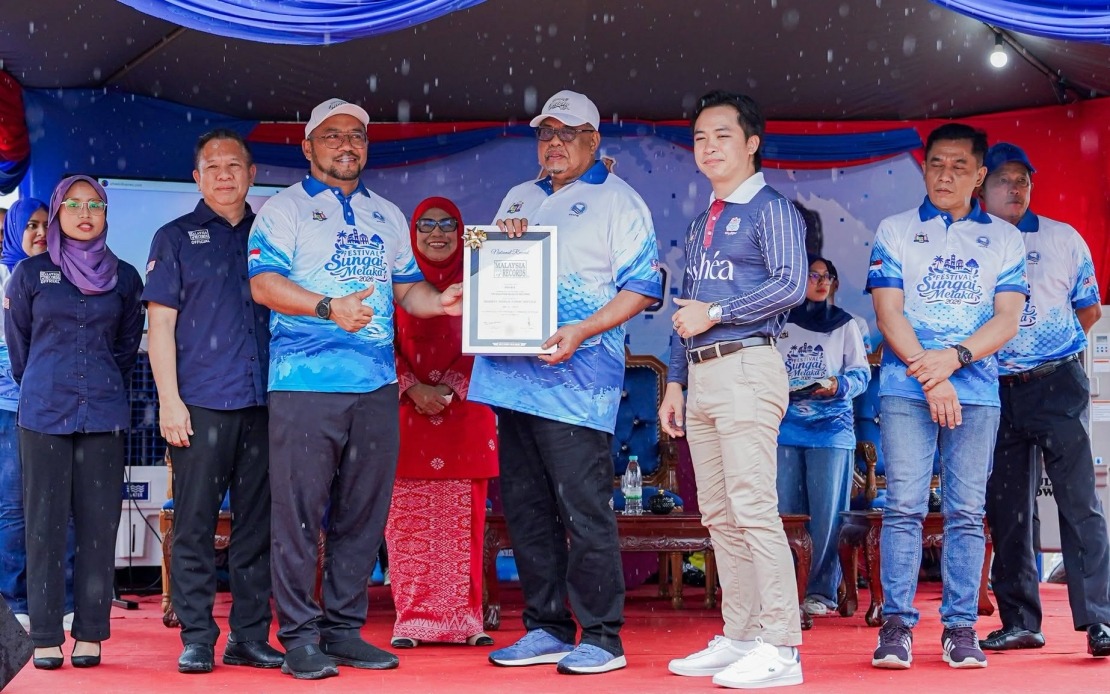
Speaking at a ceremony in Melaka on July 19, Shaharul Azuar Idris, the chief executive officer of PPSPM, laid out the organisation's strategy to bridge the gap between current performance and its ambitious endpoint. Rather than relying solely on organic visitor growth, the agency has developed a multi-pronged approach combining competitively priced packages with aggressive marketing across both domestic and international markets. This calculated approach reflects an understanding that tourism operators in the region must continuously refresh their offerings to maintain appeal in an increasingly saturated leisure market where travellers have numerous alternatives competing for their attention and spending power.
The river cruise has become emblematic of Melaka's tourism brand, representing the state's efforts to capitalise on its cultural heritage and scenic waterfront. The drive to reach one million passengers signals PPSPM's ambition to position the Melaka River Cruise not merely as a local attraction but as a must-experience destination within Malaysia's tourism portfolio. This positioning carries implications for the broader Southeast Asian tourism ecosystem, where states and regions increasingly compete for visitor expenditure and the economic spillover benefits that come with high-volume tourist traffic.
Central to PPSPM's operational model is a commitment to service quality and passenger comfort, areas where the organisation has been investing steadily. The fleet currently comprises 60 vessels, with half deployed on the primary Melaka River Cruise and the remainder operating the Eco Cruise at Tasik Chinchin. This distribution strategy allows PPSPM to serve multiple market segments—those seeking cultural and scenic experiences along the historic river and those preferring nature-focused leisure activities. The existing fleet capacity, however, may present constraints should the passenger target accelerate beyond current trajectories, necessitating the planned introduction of technologically advanced vessels still under evaluation.
The organisation has also focused on elevating the premium segment of its offerings, retrofitting existing vessels such as the Everlasting Love Boat and Tun Khalil Cruise with enhanced amenities and dining experiences. This tiered service strategy reflects sophisticated tourism management, acknowledging that modern leisure travellers display varying preferences and willingness to pay. By expanding premium options, PPSPM can capture additional revenue per passenger while maintaining accessible baseline offerings that appeal to price-conscious visitors and families.
Beyond commercial operations, PPSPM is leveraging government initiatives to drive passenger volumes and build social goodwill. The Melaka Sayang Rakyat (MeSRa) programme, announced by the state government, will provide complimentary cruises to over 5,000 visitors during the National Day celebrations on August 31. This initiative serves a dual purpose: it strengthens ties between the state government and local communities whilst simultaneously introducing the cruise experience to potential future paying customers who might otherwise lack awareness or financial capacity to participate.
The logistical challenge of managing such a large promotional event reveals another dimension of PPSPM's operational readiness. Shaharul Azuar's emphasis on adequate staffing, sufficient vessel availability, and minimised waiting times indicates that the organisation recognises that poor execution of high-volume initiatives can damage brand perception. The August 31 event thus represents both an opportunity and a test of operational capacity—success could generate positive word-of-mouth marketing and repeat business, while delays or poor service could undermine confidence in the broader cruise product.
Melaka Chief Minister Datuk Seri Ab Rauf Yusoh's participation in the July 19 ceremony underscores the political importance attached to tourism performance in the state. Tourism contributes significantly to employment, business activity, and state revenue, making passenger volume metrics a legitimate indicator of state economic health. The alignment between state government objectives and PPSPM's operational targets suggests coordination at policy level to ensure that tourism infrastructure investments translate into concrete economic outcomes.
The achievement of the one million passenger target would represent a noteworthy success story within Malaysia's domestic tourism sector, potentially influencing regional tourism strategies. Should PPSPM succeed, it may encourage similar goal-setting and promotional intensity among competing attractions and state tourism authorities throughout Malaysia and Southeast Asia. Conversely, if targets fall short, stakeholders may reassess assumptions about tourism demand resilience and the sustainability of aggressive growth projections in a post-pandemic environment where leisure travel patterns remain in flux.
From a Malaysian perspective, the Melaka River Cruise initiative reflects broader efforts by state governments to diversify revenue sources and reduce economic dependency on traditional sectors. The cruise represents a relatively low-capital-intensity tourism product compared to major resort development, though it does require ongoing investment in fleet maintenance, staff training, and infrastructure upkeep. This makes it a particularly attractive option for state development agencies seeking scalable tourism solutions.
The international marketing thrust mentioned by Shaharul Azuar suggests PPSPM is targeting not only domestic Malaysian tourists but also regional and international visitors. This outward orientation is critical, as Southeast Asian tourism has become increasingly competitive, with destinations across Thailand, Vietnam, Indonesia, and the Philippines aggressively pursuing international visitor markets. By positioning the Melaka River Cruise as a premium regional tourism product, PPSPM enters this competitive space, potentially drawing visitor spending that might otherwise be directed toward competing destinations in the region.

