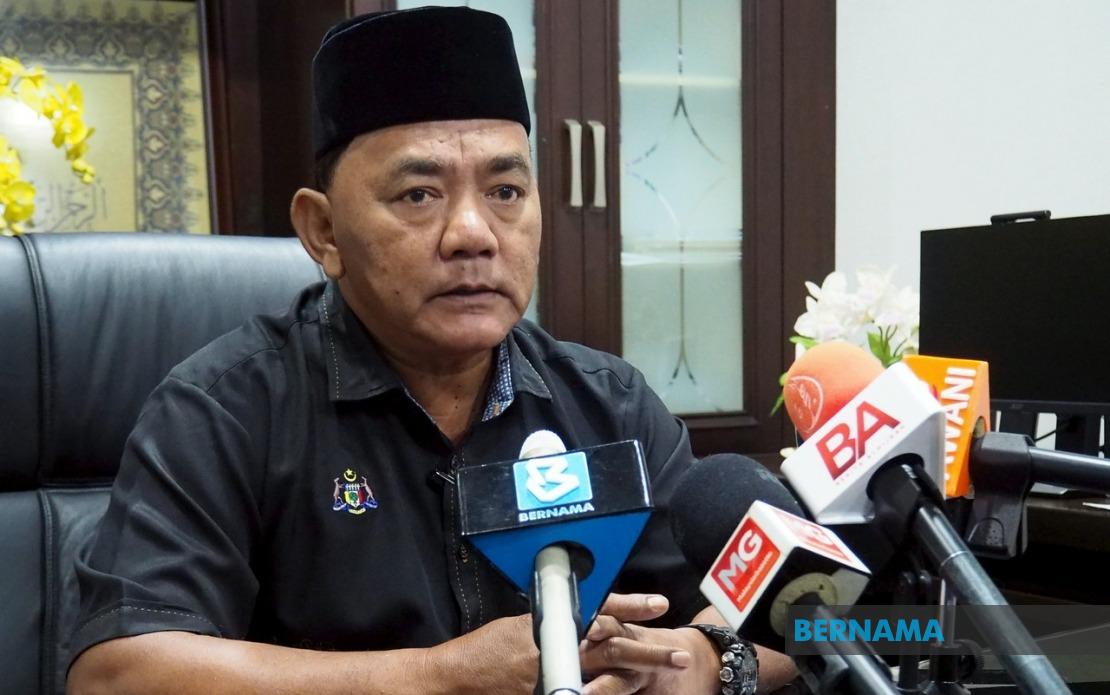
Melaka's state government is setting its sights on a significant judicial overhaul, with plans to introduce a Main Syariah Court by next year that will add another tier to the existing Islamic court structure. The initiative, announced by Datuk Rahmad Mariman, the State Education, Higher Education, and Religious Affairs Committee Chairman, forms part of a comprehensive modernisation programme for the state's religious judiciary. The establishment of this new court level requires passage through the formal legislative process, including tabling amendments to the relevant enactment at the State Assembly, but officials are confident the timeline remains achievable.
The broader reform agenda encompasses multiple interconnected initiatives designed to strengthen Melaka's Syariah judicial system. Beyond the creation of the Main Syariah Court, the state government is advancing two critical legislative instruments: the Melaka Syariah Courts Bill and the Syariah Court Civil Procedure (Court Fees) Rules. These instruments will fundamentally reshape how the Islamic courts operate, introducing streamlined procedures and modernised administrative frameworks. Equally important is a restructuring of the judicial appointment process for Syarie judges, which officials believe will attract better-qualified candidates and improve overall court performance.
The impetus for these changes stems partly from the impressive performance metrics already being achieved by Melaka's existing Syariah Court infrastructure. Between January 2024 and August 2024, the court system resolved 11,037 cases out of a total of 13,424 matters—representing an 82 per cent resolution rate. This figure encompasses both civil and criminal proceedings, demonstrating the court's extensive workload and broad jurisdiction. The high resolution rate suggests that bottlenecks remain manageable, yet the state leadership recognises that establishing a Main Syariah Court would provide additional capacity and create a more hierarchical structure that mirrors conventional court systems, potentially improving appeal procedures and legal certainty.
For Malaysian observers, particularly those in other states, the Melaka reforms offer a template for addressing similar challenges within state-level Syariah judicial systems. The complexity of family law disputes, inheritance matters, and Islamic criminal offences has grown as Malaysia's population becomes more mobile and complex. Creating intermediate appellate structures at the state level could reduce the burden on federal courts and provide faster recourse for litigants. The proposed reforms also signal a philosophical shift: courts are no longer viewed merely as dispute-resolution mechanisms but as custodians of family stability and social cohesion, as Rahmad emphasised during recent remarks.
Central to the government's strategy is public engagement and education about the Syariah court system itself. The Melaka Syariah Court Mahabbah Programme 2026, which Rahmad officially launched, deliberately positions the courts as accessible and community-oriented institutions. This outreach reflects growing recognition that many Malaysians remain uncertain about their rights and obligations under Islamic law, or which legal forum is appropriate for their circumstances. The programme aims to demystify the Syariah judicial process, explain the court's jurisdiction over family disputes, contractual matters, and religious offences, and guide citizens toward proper legal channels rather than informal or extrajudicial remedies. The initiative was overseen by Melaka Mufti Datuk Abdul Halim Tawil and Chief Syarie Judge Azzeman Omar, underscoring the importance placed on the effort by senior religious authority figures.
The appointment of additional Syarie judges represents another critical component of the reform strategy. The streamlined recruitment and appointment procedures being developed will shorten the time required to fill vacancies and ensure that candidates meet enhanced qualification standards. In Southeast Asia, where judicial workloads are often overwhelming, the availability of sufficient qualified judges directly impacts court efficiency and public confidence in outcomes. Melaka's approach—linking judicial expansion to improvements in recruitment—reflects international best practice and suggests the state is learning from capacity challenges experienced elsewhere.
The financial and procedural dimensions of the proposed Syariah Court Civil Procedure (Court Fees) Rules also merit attention. Fee structures influence access to justice; excessively high charges may deter ordinary citizens from pursuing legitimate claims, whilst inadequate fees constrain court budgets. The new rules will need to balance cost recovery with accessibility, particularly for low-income litigants in matrimonial disputes. Any framework adopted in Melaka may influence discussions in other states, creating an informal federation-wide standard over time.
From a constitutional perspective, these changes operate within the state's sovereignty over Islamic affairs and Syariah law—a domain explicitly reserved to the states under Malaysia's Federal Constitution. The Melaka government's proactive stance contrasts with some neighbouring states where Syariah court modernisation has proceeded more slowly. This initiative may intensify discussion about best-practice standards and whether the federal government should provide guidance or resources to harmonise procedures across state jurisdictions, even whilst respecting state autonomy. The creation of a Main Syariah Court, in particular, introduces a more sophisticated appellate structure that may eventually prompt policy makers to reconsider the relationship between state and federal religious courts.
The timing of the reform effort also reflects broader social trends within Malaysia's Islamic legal landscape. Concerns about judicial delays, inconsistent outcomes, and insufficient expertise in emerging areas such as digital assets and cybercrimes have prompted calls for stronger institutions. By positioning the Main Syariah Court as a specialised appellate body, Melaka's government is implicitly acknowledging that modern Islamic jurisprudence requires dedicated institutional capacity and expertise. This stands in contrast to historical models where Syariah matters were handled by individual judges or small benches without specialised support structures.
Looking ahead, the success of Melaka's reforms will depend on sustained political support, adequate budgetary allocation, and careful implementation of legislative amendments through the State Assembly. The state has demonstrated commitment by setting a concrete 2025 timeline and by engaging senior officials and religious leaders in promoting public understanding of the changes. However, converting legislative intent into operational reality—recruiting judges, training court staff, establishing physical facilities—requires considerable coordination and resources. Other states and the federal government will likely watch this initiative closely, as Melaka's experience will provide valuable lessons for scaling similar reforms across Malaysia's diverse Islamic legal ecosystem.

