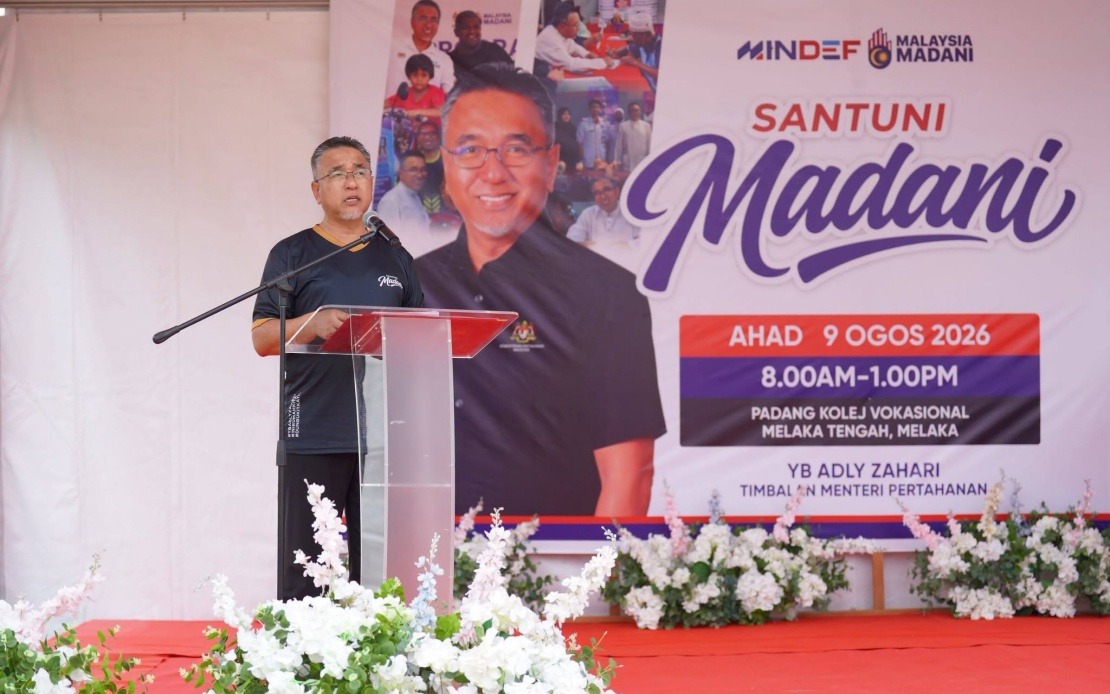
Melaka's Pakatan Harapan coalition has signalled its readiness to explore political cooperation with other parties in preparation for the state election, according to comments made by coalition chairman Adly Zahari. The remarks suggest PH is adopting a flexible approach to alliance-building, though the coalition remains in the early stages of determining what form any partnership might take and which seats might be involved in negotiations.
Adly indicated that the coalition has conducted two rounds of internal assessments to evaluate its electoral position, but has not yet crystallised a formal cooperation framework. He emphasised that various models of political cooperation exist within Malaysia's democratic system and that PH welcomes overtures from parties aligned with its vision and values. The statement reflects a pragmatic stance typical of opposition coalitions seeking to maximise electoral effectiveness by broadening their political base.
Crucially, Adly confirmed that no formal discussions have taken place with Melaka Barisan Nasional, though PH remains theoretically open to engagement. This distinction is significant for Malaysian political observers, as it suggests the coalition is not actively pursuing a unity arrangement with BN at the state level despite the two coalitions being partners in the federal government. The careful language reflects sensitivity around the complex dynamics of the Unity Government arrangement, which brings together parties with different strategic interests and historical rivalries.
Melaka's political landscape presents a distinctive challenge compared to other states with Unity Government administrations. The state has historically been a competitive battleground between major political forces, and any electoral gains for PH would require either converting swing constituencies or negotiating advantageous seat allocations with alliance partners. The reference to PH's distinct situation underscores how state-level political mathematics can diverge significantly from national arrangements.
Regarding seat targets, PH has adopted an ambitious stance. The coalition currently holds five of the state legislative assembly's 28 seats, a modest base that nonetheless provides a foundation for expansion. The party's optimism appears grounded in analysis of its performance in the three parliamentary constituencies it won in the most recent general election: Alor Gajah, Kota Melaka, and Hang Tuah Jaya. These victories suggest pockets of voter support that potentially translate into success at the state assembly level, where constituencies are smaller and electoral dynamics sometimes diverge from federal contests.
Adly specifically highlighted three additional state constituencies as areas of untapped potential: Tangga Batu, Masjid Tanah, and Jasin. The identification of these seats indicates PH has conducted detailed electoral mapping and believes it has realistic pathways to victory in these areas. Whether through organisational strengthening, improved messaging, or coalition arrangements, PH appears confident these constituencies represent genuine opportunities rather than aspirational wishful thinking.
PKR, the largest component of PH in Melaka, offered additional perspective through its state leadership council acting chairman Adam Adli Abd Halim. His comments acknowledged the reality that while formal BN negotiations have not commenced, informal communication channels remain active. This two-track approach—publicly maintaining formal distance while privately exploring possibilities—is characteristic of Malaysian coalition politics, where flexibility and optionality remain valued negotiating positions.
Adam Adli's emphasis on PH state assemblymen continuing to focus on their legislative duties and constituency work reflects a longer-term strategic perspective. Rather than allowing speculation about electoral alliances to overwhelm the political narrative, the PKR leader suggested PH intends to govern effectively and maintain public support through delivery. This approach potentially strengthens PH's negotiating position by demonstrating incumbent competence and popular legitimacy.
The caution against excessive political polemic is particularly noteworthy in Melaka's context. The state has experienced political instability in recent years, including shifts in government control and internal coalition tensions. By emphasising consensus and social stability, PH leadership appears conscious of voter fatigue with constant political manoeuvring and seeks to present itself as the more responsible political force. This messaging strategy could prove valuable as election campaigns develop and voters weigh options.
For Malaysian and Southeast Asian observers, the Melaka situation illustrates broader coalition dynamics within the Unity Government framework. The federal alliance between PH, BN, and other parties has created complex situations where state-level political calculations may not perfectly align with national arrangements. Melaka's development will offer important signals about whether federal coalition partners can maintain unity at the state level or whether divergent interests will lead to more competitive positioning.
The outcome of Melaka's electoral dynamics could influence broader regional political trends. If PH successfully expands its seat share through a combination of internal strength and selective alliances, it might demonstrate a viable opposition strategy in other Malaysian states. Conversely, if BN maintains dominance or if unity arrangements prove effective at state level, it could reinforce the stability of the current national political settlement.
Looking forward, the next phase involves detailed negotiations over cooperation terms, seat allocations, and campaign coordination. These discussions will reveal whether PH's expressed openness to cooperation translates into tangible alliances or remains primarily a negotiating position. The timeline for Melaka's election, the evolution of intra-coalition dynamics, and developments in national politics will all influence how these negotiations unfold and what final electoral arrangement emerges.

