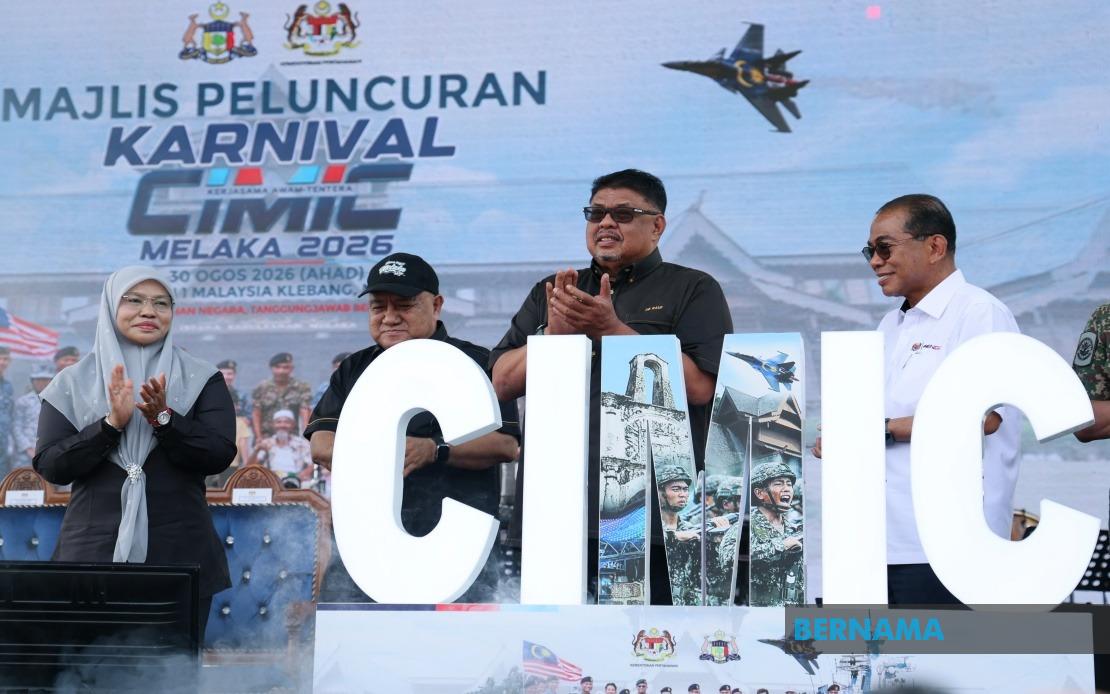
The government is actively exploring Melaka as a potential future location for the Langkawi International Maritime and Aerospace Exhibition (LIMA), Defence Minister Datuk Seri Mohamed Khaled Nordin revealed while attending the Civil-Military Cooperation Carnival at Dataran 1Malaysia in Klebang. The proposal represents a significant shift in how Malaysia manages one of its premier international defence and aviation showcases, with officials suggesting that relocating the biennial event could substantially broaden its appeal and accessibility across the nation.
Mohamed Khaled outlined the geographic and logistical advantages that position Melaka as a credible alternative to Langkawi's current status as the exhibition's permanent home. The Klebang area, situated in close proximity to Batu Berendam Airport, offers existing transportation infrastructure that could support the complex requirements of an international maritime and aerospace event. Crucially, the location benefits from deep-water berthing facilities, enabling Royal Malaysian Navy vessels and international maritime participants to dock directly, a facility that proves essential for maritime-focused components of LIMA.
The accessibility argument forms the core rationale behind this strategic reconsideration. Currently, hosting LIMA in Langkawi, while leveraging that island's established infrastructure and international reputation, presents genuine challenges for attendance across Malaysia's broader population. The geographic remoteness of the northernmost state creates barriers for businesses, defence specialists, and the general public travelling from peninsular Malaysia's population centres. By shifting to Melaka, officials contend that professionals and interested parties from Kuala Lumpur, the Klang Valley, Selangor, and surrounding regions could participate more readily, fundamentally transforming LIMA from a geographically constrained event into a nationally accessible platform.
The proposal gained momentum following this year's National Day celebrations in Melaka, during which six Royal Malaysian Navy ships participated in waterfront festivities. The successful integration of military vessels into the state's events demonstrated both the feasibility of coordinating significant naval operations from Melaka's ports and the public engagement potential such activities generate. This practical experience catalysed internal government discussions about whether similar large-scale military and aerospace exhibitions might similarly thrive in the location.
However, Mohamed Khaled made explicitly clear that translating this possibility into reality demands substantial financial commitment. The Defence Ministry does not envisage simply transferring LIMA's existing structure to Melaka; rather, government would need to undertake considerable infrastructure development to establish facilities meeting international exhibition standards. This investment requirement extends beyond port upgrades to encompass exhibition halls, accommodation facilities, transportation networks, and security infrastructure capable of hosting defence technology and aerospace equipment displays alongside international delegations.
Melaka Chief Minister Datuk Seri Ab Rauf Yusoh adopted a cautiously optimistic stance, acknowledging the state's strategic positioning for hosting such an event while emphasising the necessity for detailed capacity assessment beforehand. The state administration recognises that LIMA's scale and requirements vastly exceed those of typical regional exhibitions, demanding coordination between federal defence entities, international participants, and state-level logistics. Ab Rauf indicated willingness to proceed with hosting discussions at the federal level, provided comprehensive feasibility studies demonstrate mutual benefits for both the national defence ministry and Melaka's economic interests.
The potential economic ramifications deserve consideration within Malaysia's broader tourism and business development strategies. International defence and aerospace exhibitions generate substantial direct spending through accommodation, hospitality, transportation, and ancillary services. Beyond immediate economic activity, hosting LIMA would position Melaka as a centre for defence industry engagement, potentially attracting related manufacturing, maintenance, and technology development operations to the state. The exhibition's success in drawing international defence ministries and aerospace corporations could create networking opportunities extending far beyond the event itself.
From a defence perspective, relocating LIMA potentially enhances Malaysia's diplomatic positioning within regional and international security frameworks. The current Langkawi location, while prestigious, occupies a somewhat peripheral position relative to Southeast Asia's principal economic and political centres. Melaka's location along one of the world's busiest maritime corridors, coupled with its historical significance as a global trading hub, carries symbolic weight in the context of maritime security discussions increasingly central to regional defence strategies.
The proposed relocation also reflects contemporary thinking about event accessibility and inclusivity in Malaysia's defence sector engagement. LIMA has traditionally served triple purposes: showcasing Malaysian military capabilities and technological sophistication, providing defence and aerospace industries with international market access, and allowing the Armed Forces to enhance public understanding of defence matters. Relocating to a more accessible location amplifies this third objective, enabling broader societal participation in discussions about national security and military modernisation.
Despite the apparent momentum behind exploring Melaka as an alternative venue, officials acknowledge substantial questions remain unresolved. The timing of any potential transition, the specific infrastructure requirements, and the financial implications all demand detailed technical and economic analysis. Langkawi's established networks within the defence industry and international exhibition sector represent considerable institutional capital that alternative locations would need to replicate. Furthermore, international defence and aerospace companies have developed familiarity with Langkawi's exhibition facilities and logistics, and shifting venues would require rebuilding these relationships.
The coming months will likely see intensified inter-agency discussions between the Defence Ministry, Melaka state government, and relevant federal agencies responsible for defence procurement and international relations. These conversations will determine whether the preliminary enthusiasm surrounding Melaka translates into concrete planning or remains an aspirational concept. Should officials ultimately decide to proceed, Malaysia would undertake a significant infrastructure commitment, but the potential returns in terms of accessibility, economic impact, and regional positioning could justify the investment substantially.

