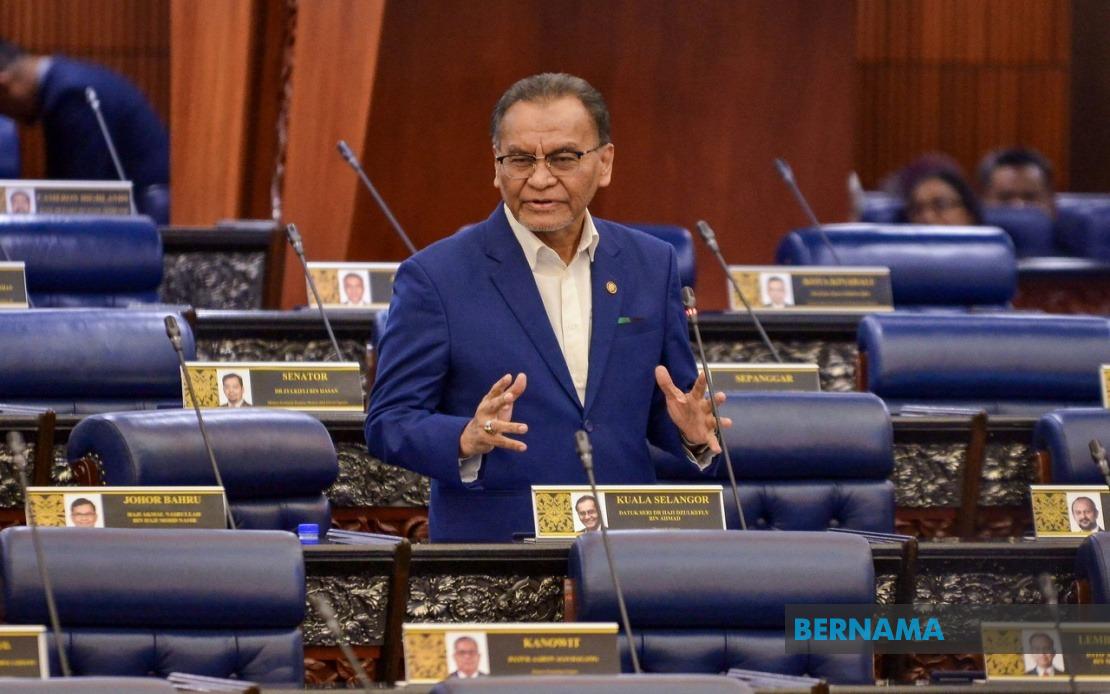
The government is moving forward with a multi-pronged approach to healthcare access, unveiling the MediAsas Plan as a centrepiece initiative aimed at making private medical protection financially viable for middle-income Malaysians. Health Minister Datuk Seri Dr Dzulkefly Ahmad outlined the scheme on July 14 as part of a broader push to ensure both the M40 and B40 income groups maintain meaningful access to health protection, acknowledging that rising private healthcare costs have become a significant concern for millions of Malaysians caught between public and private systems.
MediAsas represents a deliberate policy shift to address a longstanding gap in Malaysia's healthcare landscape. The scheme is structured as a medical insurance and takaful product, offering affordable premium rates tailored specifically to the M40 segment—typically households earning between RM4,000 and RM8,000 monthly. This targeted approach reflects policymakers' recognition that middle-income earners frequently fall through the cracks, earning too much to qualify for subsidised B40 programmes yet struggling to afford conventional private health insurance. The scheme will gradually incorporate Diagnosis Related Group (DRG)-based payment mechanisms at private hospitals, a move designed to standardise billing and promote cost transparency across the sector.
Crucially, Dzulkefly emphasised that MediAsas is complementary rather than substitutive. The scheme is explicitly designed not to replace Malaysia's foundational public healthcare system, which continues to function as the backbone of Universal Health Coverage funded through general tax revenue. This clarification matters considerably, as it signals that the government does not intend to weaken its commitment to publicly funded healthcare provision. Instead, MediAsas operates as an additional layer, expanding the range of protection options available to those who seek private care or wish to hedge against the out-of-pocket costs that public system supplementation often entails. This distinction is vital for Southeast Asian context, where many neighbours have pivoted toward privatisation models that erode public health capacity.
The rollout timeline reflects pragmatic implementation strategy. MediAsas will commence as a pilot programme in the Klang Valley, Malaysia's largest metropolitan region, starting at the end of July 2024. The pilot phase will involve six insurance and takaful companies, providing a controlled environment to refine operations, monitor uptake, and address technical teething issues before wider deployment. The nationwide expansion is scheduled for January 2027, allowing approximately two and a half years for iteration based on real-world performance data. This measured approach contrasts sharply with rushed healthcare reforms that have faltered in other jurisdictions, suggesting thoughtful transition planning.
Beyond MediAsas itself, the government is pursuing what it labels the RESET framework, a comprehensive healthcare restructuring agenda addressing multiple pressure points simultaneously. The framework encompasses enhanced interoperability of electronic medical records across providers, a particularly significant development for a nation where fragmented health information systems have long generated redundant testing, inflated costs, and patient frustration. Harmonising data standards will theoretically enable seamless information sharing, reducing expensive duplicate diagnostic procedures and improving clinical decision-making. Additionally, RESET encompasses restructuring of private hospital billing practices, signalling regulatory intent to impose greater transparency and cost discipline on the private sector's fee structures.
The B40 population, representing lower-income households, retains comprehensive protection through established mechanisms. The government maintains a network of 154 hospitals alongside over 3,000 public healthcare facilities offering subsidised or free treatment. Supplementary programmes including PeKa B40, the MADANI Healthcare Scheme, and MySalam provide additional layers of coverage tailored to low-income needs. These existing frameworks remain largely untouched, underscoring the government's continued commitment to protecting vulnerable populations from catastrophic health expenditure. The parallel emphasis on B40 protection serves important political messaging, reassuring lower-income constituencies that healthcare reform is not abandoning them.
MediAsas specifically addresses challenges that disproportionately affect middle-income households and merit policy attention. Pre-existing conditions have historically rendered many M40 individuals ineligible for conventional private insurance, effectively blocking access to private care options despite their willingness and ability to pay. Non-communicable diseases, increasingly prevalent as Malaysia's population ages and urbanisation intensifies, often carry prohibitive private insurance costs. Mental health coverage, historically neglected in Malaysian insurance products, is explicitly incorporated into MediAsas, reflecting global trends toward holistic health protection that acknowledges psychological wellbeing. These design features suggest thoughtful consideration of real barriers facing the target demographic.
The scheme's positioning within Malaysia's broader healthcare ecosystem carries strategic implications for Southeast Asia's upper-middle-income context. As nations throughout the region experience similar healthcare inflation, similar pressures on public systems from ageing populations, and similar growth in private sector capacity, MediAsas potentially offers a governance model worth monitoring. The approach of layering regulated private products atop robust public provision, rather than substituting one for the other, represents a middle path between universal public healthcare models and market-driven systems. Malaysia's implementation will generate valuable evidence about whether such hybrid structures can simultaneously expand access, maintain equity, and improve cost-efficiency.
From a Malaysian perspective, successful MediAsas implementation could substantially improve healthcare security for approximately five million middle-income households currently vulnerable to financial shock from major illness. Extending private care access to this cohort might also relieve demand pressures on public facilities, potentially improving service quality and waiting times for those unable to access private alternatives. However, realisation of these benefits depends critically on execution quality, regulatory oversight, and sustained affordability as the scheme matures. Early monitoring of pilot phase outcomes will prove essential for identifying implementation challenges before nationwide rollout.

