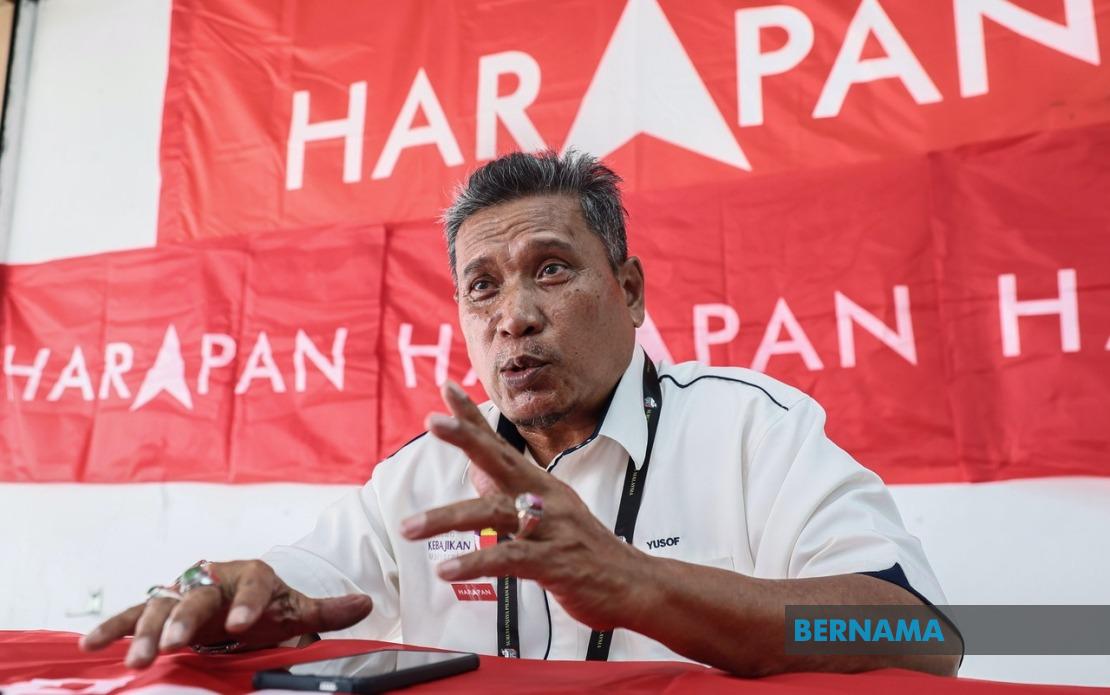
As the 16th Johor state election enters its final days, Pakatan Harapan candidate Md Yusof Dawam has outlined an ambitious development strategy for Tenggaroh that centres on revitalising the Felda settlement and stemming rural-to-urban migration among younger residents. The 64-year-old retired educator is contesting one of 56 state seats drawing 172 candidates overall, with polling scheduled for July 11.
The question of housing for the second generation of Felda settlers has emerged as perhaps the most pressing concern facing the Tenggaroh community. Md Yusof has identified the lack of coordinated planning for new residential development as a critical driver of youth emigration to major urban centres, a trend threatening the long-term viability of Felda settlements. Young people in the constituency have repeatedly raised housing affordability during campaign engagements, caught between economic necessity and filial obligation as many are unable to establish independent households and must remain with aging parents.
Md Yusof's proposed solution involves reserving 10 to 20 acres of Felda land for systematic second-generation housing development. This approach addresses more than immediate shelter needs; it represents a strategic effort to maintain continuity in agricultural management across family-operated oil palm plantations. Without generational succession planning, he argues, assets risk being neglected or transferred outside the settler community entirely, undermining the economic foundation of Felda settlements themselves. This intergenerational dimension reflects a broader challenge facing Malaysia's agricultural colonies as founding generations age and modern economic opportunities diverge from traditional farming activities.
The retail and commercial landscape within Tenggaroh Felda has stagnated for decades, bearing the economic markers of the 1980s with little modernisation or expansion. Md Yusof proposes issuing temporary land grants enabling construction of contemporary business premises, deliberately creating a small-town retail concept that would circulate economic activity within the settlement. His observation that residents currently must travel approximately 70 kilometres to Mersing town for basic amenities like keropok lekor purchases underscores how inadequate local commercial infrastructure drives spending leakage to distant urban centres.
Beyond housing and retail, Md Yusof has identified tourism as an underexploited development avenue for Tenggaroh and the broader Mersing district. Three iconic offshore islands—Pulau Besar, Pulau Tinggi, and Pulau Aur—have attracted international film production crews seeking exotic locations, yet the economic returns have barely benefited local communities. This pattern of tourism activity generating minimal local benefit reflects a common Southeast Asian challenge where natural assets are monetised by external operators while residents remain economically excluded.
Md Yusof attributes this tourism leakage to the absence of locally-owned sea transport and tourism service companies operated by younger residents. He recognises that creating direct economic linkages requires more than simply preserving scenic assets; it demands building indigenous entrepreneurial capacity and commercial infrastructure. A younger generation equipped with tourism hospitality services would capture spending from film productions and recreational island visitors, transforming Mersing's geographical and cultural advantages into sustainable household income.
The Tangkak-born candidate, who has resided in Mersing for four decades, brings practical experience from 16 years in the education sector at Felda Nitar, providing him with established community relationships and demonstrated understanding of Felda settlement dynamics. His campaign methodology emphasises intimate, small-group discussions rather than mass rallies, reflecting his belief that understanding specific community aspirations requires sustained personal engagement. This approach may prove particularly effective in Felda constituencies where tight-knit social networks and long-standing interpersonal relationships substantially influence voting behaviour.
Tenggaroh's development challenges reflect broader issues facing Malaysian Felda settlements as they navigate post-independence evolution and generational transition. Second-generation housing affordability, retail commercial viability, and tourism monetisation represent interconnected development constraints affecting settler welfare and community sustainability. Md Yusof's campaign positioning himself as advocate for modernisation while preserving settlement character appeals to residents seeking development without losing cultural and economic autonomy from external corporate entities.
The Johor state election occurs amid broader political realignment in Malaysia, with state contests increasingly serving as referendums on federal governance quality and coalition performance. Tenggaroh's particular electoral dynamics hinge partly on how effectively candidates articulate solutions to tangible local development deficits. Md Yusof's emphasis on Felda-specific planning challenges distinguishes his campaign from generic development promises, potentially resonating with voters concerned that settlement modernisation has been chronically neglected by previous representatives.
The strategic focus on second-generation housing, retail modernisation, and tourism development positioning Tenggaroh as a model for balanced Felda transformation. If implemented, these initiatives could demonstrate how settlement development can simultaneously address youth retention, community prosperity, and agricultural continuity. For Malaysian policymakers observing Felda settlement challenges nationwide, Tenggaroh's electoral campaign narratives may foreshadow emerging political pressure for more comprehensive, generationally-sensitive approaches to agricultural settlement modernisation across the country.

