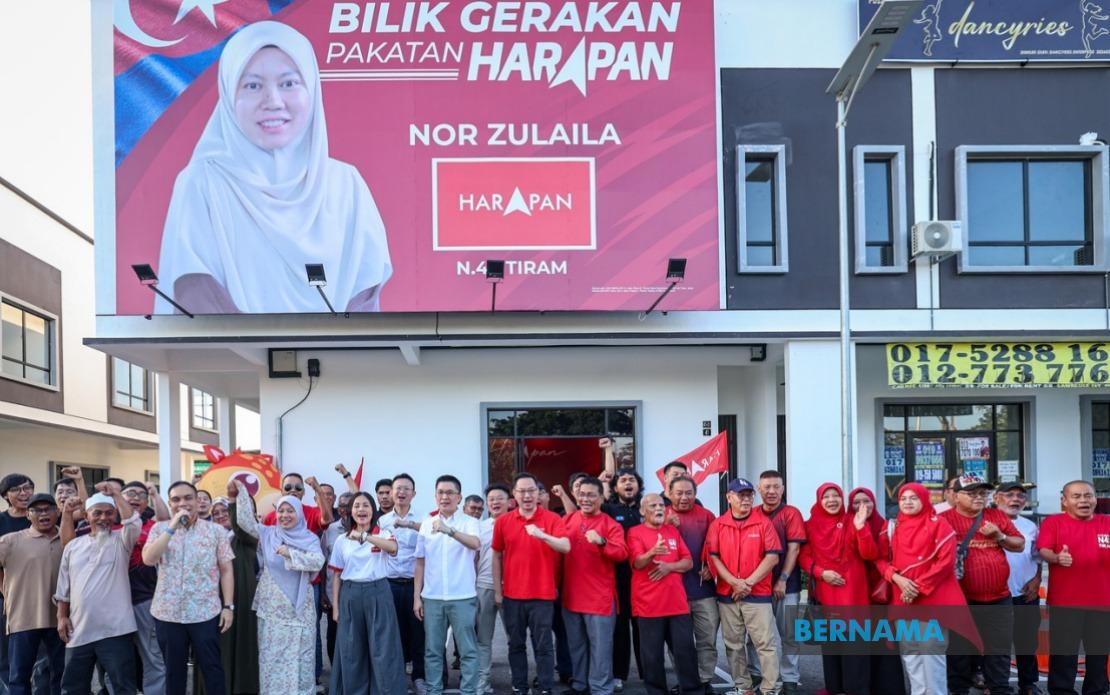
The Malaysian Communications and Multimedia Commission has received instructions to maintain robust internet connectivity across Johor during the state election campaign, with particular attention to venues expected to draw large gatherings. Deputy Communications Minister Teo Nie Ching issued the directive while launching the Pakatan Harapan operations centre for the N40 Tiram constituency in Pasir Gudang, emphasizing that dependable online access forms a critical backbone for modern electoral conduct.
Teo's intervention reflects growing recognition among Malaysian political administrators that digital infrastructure has become inseparable from effective campaign delivery. Reliable internet enables political parties to coordinate complex logistics for rallies, distribute campaign materials efficiently, and maintain real-time communication with supporters scattered across constituencies. The MCMC will conduct ongoing surveillance of connectivity standards, particularly in densely populated areas anticipated to host major political events throughout the campaign window.
The decision underscores how technology now shapes the mechanics of state-level elections in Malaysia. Beyond traditional door-to-door canvassing and public speeches, campaigns increasingly depend on streaming live events, uploading multimedia content, and engaging voters through social media platforms. Weak internet coverage in strategic locations would handicap parties' ability to execute these contemporary campaign strategies, potentially creating unequal footing between well-resourced and smaller political organisations.
Teo, who simultaneously serves as Johor DAP chief, reported receiving encouraging grassroots feedback from voters across the state. Ground operations have detected substantial enthusiasm among the electorate, with particularly strong indicators that voters from other constituencies plan to return home specifically to cast ballots on election day. This observation carries implications for logistical planning, as it suggests elevated turnout expectations and more congested polling stations in certain areas where expatriate voters concentrate.
The DAP's campaign architecture diverges from conventional wisdom that designates certain seats as politically secure. Instead, Teo indicated the party would distribute resources and attention evenly across all 17 seats it contests, rejecting the notion that any location should receive diminished focus. This philosophy attempts to counter organisational complacency and ensures ground teams maintain intensity in constituencies where incumbents enjoy apparent electoral advantages. The strategy acknowledges that demographic shifts, voter dissatisfaction, and local grievances can rapidly destabilise even supposedly safe political terrain.
Context-specific challenges vary considerably across Johor's diverse constituencies, ranging from densely urbanised centres to rural agricultural zones and coastal fishing communities. A uniform campaign approach would prove counterproductive, necessitating tailored messaging and resource allocation responsive to each area's distinct socioeconomic composition and political dynamics. By emphasizing individualised attention to every contested seat, DAP seeks to demonstrate serious commitment to representation beyond simply calculating winning margins.
The Johor election schedule compresses the campaign period into a concentrated timeframe. Nomination day was scheduled for June 27, with early voting designated for July 7 and general polling set for July 11. This compressed calendar intensifies demands on infrastructure, particularly digital networks that must accommodate simultaneous streaming of multiple campaign events, real-time vote tallying systems, and voter information services.
For Malaysian voters and observers, the MCMC's preparatory measures carry broader significance beyond Johor's particular electoral contest. Reliable digital infrastructure during elections contributes to democratic legitimacy by enabling informed participation and transparent information flows. Conversely, connectivity failures disproportionately disadvantage voters in remote or less developed areas, potentially skewing electoral outcomes and undermining representative democracy's foundational premise of equal access to political information.
The election will determine the composition of the Johor state legislature and potentially reshape the state's political trajectory. Pakatan Harapan's confidence in voter enthusiasm suggests competitive races across multiple constituencies rather than predetermined outcomes. The party's inclusive campaign resource strategy reflects this competitive posture, treating every contested seat as genuinely contestable rather than mathematically determined.
For Malaysia's technology sector and digital governance architects, the Johor election provides an instructive case study in integrating telecommunications infrastructure with democratic institutions. Successful coordination between the MCMC and political stakeholders demonstrates that technical preparedness and political communication can operate in complementary rather than contradictory registers, benefiting both electoral administration and constituent engagement.

