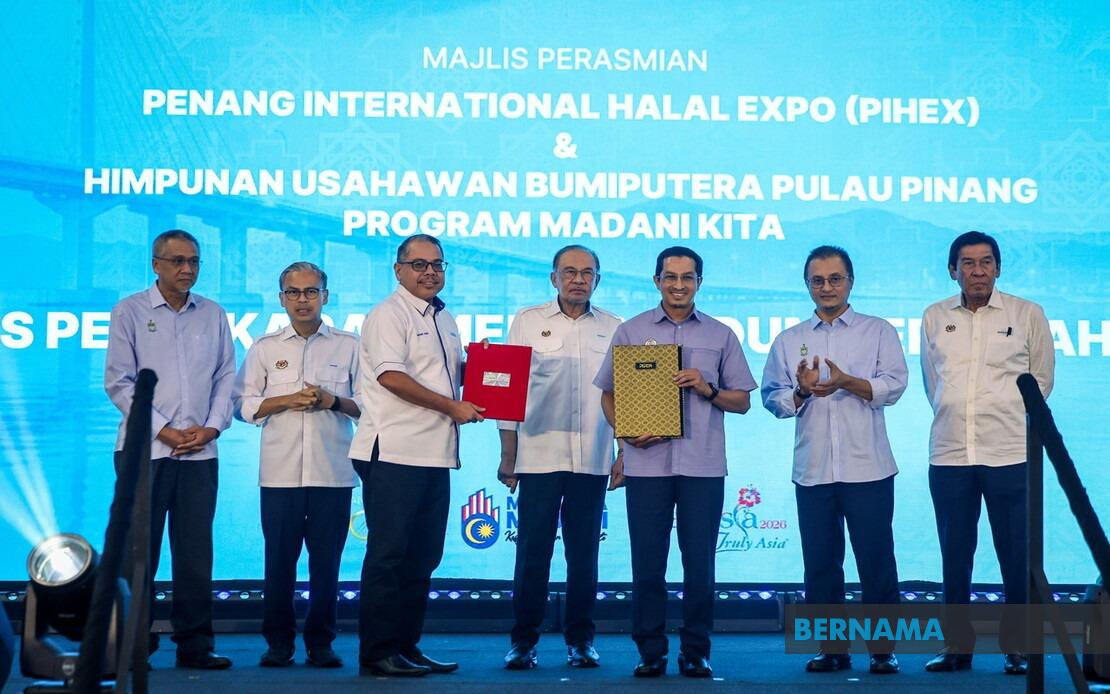
The Malaysian Communications and Multimedia Commission (MCMC) and Penang Halal International have announced an unprecedented collaboration to deliver the MADANI Kita Programme alongside the Penang International Halal Expo (PIHEX) 2026, marking the first time the regulator has coordinated such a partnership with the halal certification body. The initiative reflects a broader shift toward consolidated public service delivery in Malaysia, where citizens can access multiple government functions in single, coordinated venues rather than navigating separate agency offices.
Coordinated through the Performance Acceleration Coordination Unit (PACU) under the Prime Minister's Department, the MADANI Kita Programme embodies what officials describe as a whole-of-government approach. This methodology pools resources and personnel from various federal ministries and agencies, enabling visitors to interact with government representatives from health, agriculture, trade, and digital services simultaneously. The concept addresses a longstanding frustration among Malaysian citizens and entrepreneurs who previously needed to visit numerous locations and submit separate applications for different types of government support and information.
Prime Minister Datuk Seri Anwar Ibrahim officially launched the programme on July 25 at Seberang Perai Polytechnic in Bukit Mertajam, with Communications Minister Datuk Seri Fahmi Fadzil and MCMC chairman Tan Sri Mohamad Salim Fateh Din in attendance. The timing and location suggest a deliberate effort to bring integrated services to Penang, a state where the halal industry represents significant economic activity and where improving service accessibility could strengthen support for government initiatives among business communities.
The MCMC's involvement through the National Information Dissemination Centre (NADI) extends beyond traditional regulatory functions. The programme incorporates health screening services, subsidised Rahmah Sales promoting affordable goods, Agro MADANI initiatives supporting agricultural entrepreneurs, and community welfare services—demonstrating how Malaysia's communications authority has expanded its mandate to encompass broader economic and social objectives. This diversification reflects the Malaysia MADANI agenda's emphasis on inclusive development and accessible governance.
Digital infrastructure forms a critical component of the initiative. NADI On Wheels (NOW) provides free Wi-Fi connectivity throughout the event, addressing digital divide issues that remain relevant in Malaysia despite the country's advanced telecommunications sector. Additionally, the NADI E-Sports MADANI Legend competition introduces gaming and esports elements to government programming, indicating recognition that engaging younger demographics requires incorporating entertainment and technology-driven activities alongside traditional service delivery.
The collaboration with Penang Halal International carries particular significance for Southeast Asia's halal trade ecosystem. The halal industry commands substantial regional and global market share, with Malaysian businesses occupying leading positions in certification, food production, pharmaceuticals, and cosmetics. By integrating government services at Malaysia's premier halal trade event, authorities position themselves to support entrepreneurs navigating certification requirements, export regulations, and business development opportunities simultaneously. This approach could strengthen Malaysia's competitive advantage in halal commerce against rival nations in the region.
MCMC leadership framed the partnership as evidence of institutional commitment to improving public service delivery through strategic stakeholder collaboration. The statement emphasised that such alliances strengthen local economic development, expand digital inclusion—a recurring priority for Malaysian policymakers—and ensure broader population reach for the Malaysia MADANI agenda. These objectives interconnect: digital services require infrastructure investment, economic development depends on accessible information and support systems, and inclusive growth demands that government resources reach rural and underserved urban populations.
The programme's location in Seberang Perai, Penang's industrial heartland, reflects strategic geographic targeting. The area contains significant manufacturing, trading, and agricultural sectors where small and medium enterprises represent the economic backbone. Delivering consolidated services to this region directly addresses entrepreneurial communities' need for streamlined access to government support, potentially increasing uptake of programs and building goodwill toward federal initiatives.
From a governance perspective, the MADANI Kita Programme demonstrates Malaysia's evolution toward customer-centric public administration. Rather than requiring citizens and businesses to adapt to agency structures, the model adapts government structures to citizen needs. This philosophy echoes international best practices in digital government and service design, positioning Malaysia competitively within Southeast Asia's development trajectory. Success at PIHEX 2026 could establish a template for similar initiatives at other major trade events and public gatherings throughout the year.
The programme's scope extending through July 25 and 26 suggests weekend accessibility was considered important, acknowledging that working professionals and entrepreneurs require convenient timing for government engagement. This scheduling flexibility, combined with integrated service offerings and digital components, creates conditions where accessing government services becomes less burdensome than previously typical in Malaysian administration.
Looking forward, the partnership illustrates how sectoral bodies like Penang Halal International can serve as platforms for government modernisation efforts. The halal sector's international orientation and business focus means programme participants include global traders, which could expose international observers to Malaysia's administrative innovation. Such exposure potentially enhances Malaysia's reputation for efficient governance and digital maturity in global business circles, supporting broader economic objectives beyond the immediate halal industry.
The initiative also reflects recognising that traditional government communication channels often fail to reach priority audiences effectively. Trade events and expo environments attract self-selected participants with demonstrated interest in business development, making them ideal venues for introducing government services and support programs. The combination of professional expo environment with accessible, integrated government services creates conditions for meaningful engagement that purely transactional or mandatory interactions might not achieve.

