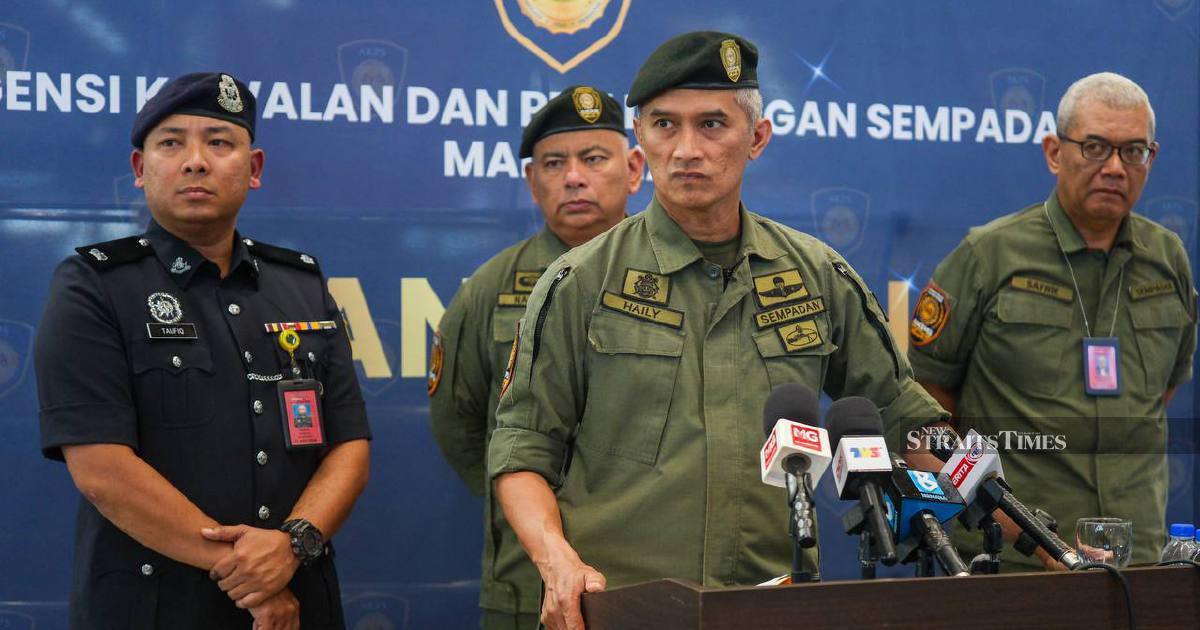
The Malaysian Customs and Border Administration has moved to reassure the public that established airport security screening procedures were meticulously followed when a Malaysia Airlines pilot passed through Kuala Lumpur airport before his subsequent arrest in Indonesia on narcotics charges. Officials have explicitly stated that artificial intelligence-powered baggage scanning equipment did not detect contraband in the pilot's luggage, raising questions about the operational effectiveness of technological defences at the nation's main aviation hub.
The incident has reignited discussion about Malaysia's border security infrastructure and the capacity of modern detection systems to identify illicit substances. While authorities stress that every regulatory checkpoint functioned within prescribed parameters, the case highlights a broader vulnerability in aviation security protocols that applies across Southeast Asia's major transportation hubs. The pilot's case represents one of several recent occurrences where suspect materials have successfully transited through busy international terminals, despite increasingly sophisticated scanning apparatus in place.
MCBA representatives have emphasised that the AI-integrated scanner systems form only one component of a layered screening approach. When detection equipment fails to flag suspicious contents, the responsibility then shifts to secondary manual inspection procedures, trained observer assessments, and intelligence-led profiling—each of which operates according to specific guidelines. The agency's insistence that SOPs were comprehensively observed suggests that either the pilot's baggage presented no obvious visual irregularities, the concealment method defeated technological detection, or other procedural factors contributed to the material passing through initial checkpoints undetected.
This clarification comes as Malaysia strengthens its reputation as a regional aviation hub and seeks to maintain confidence in its security systems among international airline operators and passengers. The country's position as a critical air transport corridor linking Southeast Asia to global markets means that any perception of lax screening could discourage carriers from routing traffic through Malaysian airports or prompt allied nations to impose stricter reciprocal checks on Malaysian-registered flights. The MCBA's proactive communication underscores the sensitivity surrounding aviation security, where reputational damage can translate into tangible economic consequences.
The technical capabilities of modern scanning equipment, while continuously advancing, remain subject to legitimate limitations. Sophisticated concealment techniques, including sophisticated packaging methods and materials designed to obscure detection, can occasionally circumvent equipment that is otherwise functioning within normal operating parameters. The distinction between equipment failure and genuine technological vulnerability is crucial for public understanding, yet often blurs in media coverage and public discussion following high-profile incidents.
For Malaysian aviation authorities, the pilot's arrest in Indonesian jurisdiction adds a complicating layer, as it raises questions about whether domestic screening standards align with regional expectations and whether enhanced cooperation mechanisms exist between Southeast Asian states to address transnational smuggling networks. The fact that suspicious material successfully transited Malaysian airspace before being intercepted elsewhere reflects the fluid nature of air cargo and passenger movement across the region, where coordinated intelligence-sharing and standardised protocols remain works in progress.
The MCBA's confirmation that procedures were properly executed does not entirely resolve underlying concerns about whether those procedures themselves require updating. Technology evolves, smuggling tactics become increasingly sophisticated, and operational environments at busy hubs like Kuala Lumpur International Airport present real practical challenges that can impact thoroughness regardless of training quality. The agency's commitment to procedural compliance suggests institutional confidence in existing frameworks, yet the continued occurrence of such incidents implies that either resources for implementation require enhancement or procedural protocols themselves warrant recalibration.
From a broader Malaysian perspective, this situation reinforces the need for sustained investment in both human expertise and technological infrastructure at border checkpoints. While the MCBA has defended its practices as compliant with standards, the case presents an opportunity to examine whether those standards remain sufficiently robust for current threat environments. Regional cooperation, information exchange with Indonesian counterparts, and alignment with international best practices will likely feature prominently in any subsequent reviews of aviation security protocols.
The arrest of the Malaysia Airlines pilot in Indonesia rather than Malaysia itself suggests that detection occurred downstream, possibly during secondary screening processes or through intelligence gathered at the destination airport. This geographical dimension to the case underscores how aviation security operates within increasingly interconnected regional systems, where a gap or oversight at one terminal can be compensated by vigilance elsewhere—though such reliance on downstream detection represents a reactive rather than preventative security posture.
Looking forward, the MCBA's statements appear designed to maintain confidence in Malaysia's border management infrastructure while signalling that the incident reflects individual evasion rather than systemic failure. Whether that assessment withstands scrutiny from security specialists, international partners, and independent audits will likely determine the trajectory of public confidence in Malaysian aviation security and the policy responses that follow.

