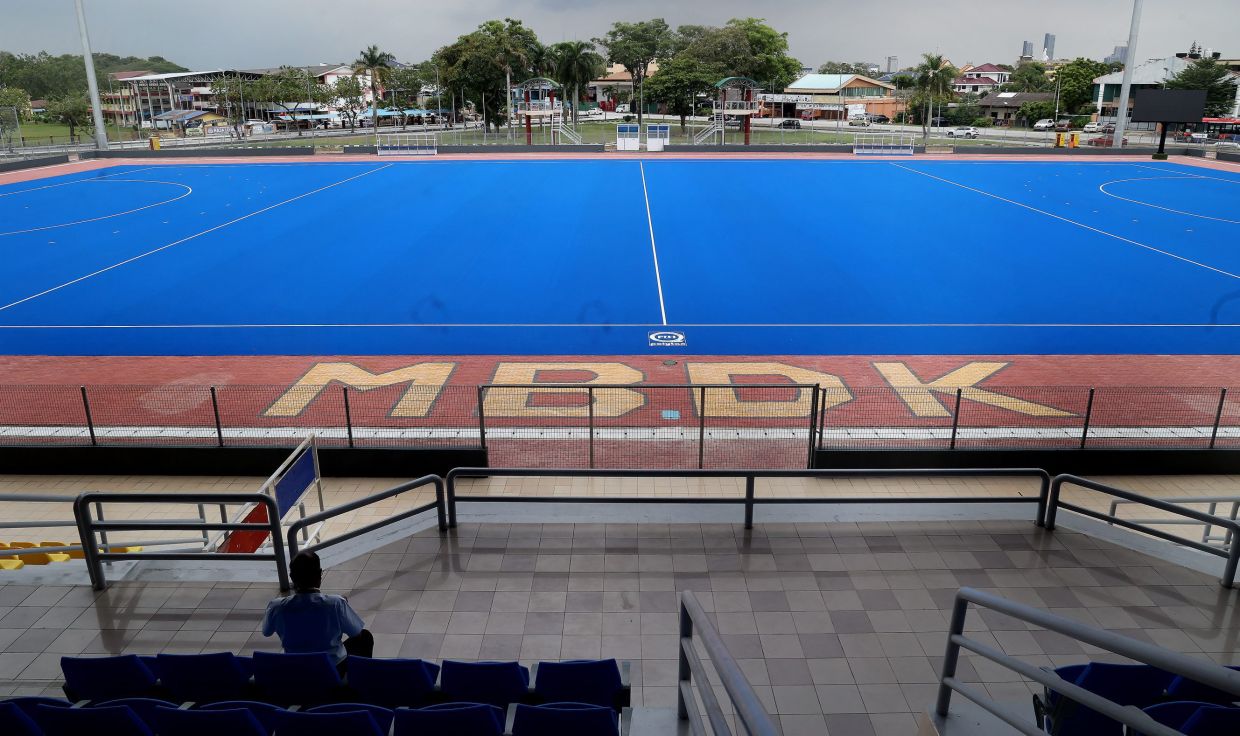
The Klang Royal City Council (MBDK) is moving forward with plans to partner the Selangor Hockey Association in operating and maintaining the newly refurbished Pandamaran Hockey Stadium, a decision that reflects a broader strategy to ensure professional stewardship of major sporting infrastructure. Klang mayor Datuk Abd Hamid Hussain described the facility as far more than just a venue for athletic competition, characterising it instead as a critical public resource that demands rigorous management standards and a commitment to lasting viability. By entrusting the association with day-to-day operations, MBDK aims to harness established expertise in hockey administration whilst positioning the stadium to function effectively as both a community asset and an economic generator.
Located between Jalan Sukma and Jalan Raja Lumu in Pandamaran, Port Klang, the stadium represents a substantial capital investment by the local authority. The refurbishment project, which cost approximately RM9 million, has transformed the facility into a modern sporting complex. A soft launch event scheduled for today will precede a trial match organised in preparation for the upcoming Sukma 2026, signalling the venue's readiness to accommodate major competitions. The upgrade demonstrates MBDK's commitment to ensuring Selangor can deliver world-class sporting infrastructure when the 22nd Sukma takes place from August 15 to 24, with the Para Sukma following shortly afterwards from September 5 to 10.
Critically, the stadium has earned certification from the International Hockey Federation (FIH), a credential that elevates its standing considerably. Valid through July 2, 2029, this accreditation confirms the facility meets stringent international specifications, enabling it to host elite-level tournaments whilst meeting the technical requirements for live global broadcasting. For Malaysia, such credentials matter immensely—they signal to the international sporting community that domestic venues meet genuine world standards, not merely nominal requirements. Abd Hamid emphasised that this recognition represents the culmination of coordinated effort among multiple stakeholders, underscoring how infrastructure achievement in Malaysia increasingly depends on alignment between government, sporting bodies, and private entities.
The decision to engage the Selangor Hockey Association reflects a pragmatic acknowledgement that sporting expertise and administrative efficiency are distinct from one another. MBDK intends to establish a dedicated management structure handling the full spectrum of stadium operations—from routine maintenance and security protocols to promotional activities and booking coordination. This professionalised approach ensures that facilities such as the synthetic playing surface, drainage infrastructure, floodlighting systems, scoreboards, and changing facilities receive consistent, informed care. Degradation of sports infrastructure remains a persistent challenge across Southeast Asia, where many facilities fall into disrepair following major events. By assigning clear responsibility to an established hockey organisation, MBDK is attempting to sidestep this pattern.
The strategic calculus underlying this investment extends beyond immediate sporting needs. Abd Hamid characterised the RM9 million expenditure not as spending but as a forward-looking allocation designed to generate compound returns across multiple dimensions. Enhanced sports infrastructure typically catalyses local economic activity by attracting tournaments, supporting hospitality services, and creating employment opportunities. For a city like Klang, which has historically relied on port-related economic activity, sports tourism represents an emerging avenue for diversification. Hosting certified international venues opens doors to sanctioned competitions that draw athletes, officials, media, and spectators from abroad—all cohorts that stimulate retail, accommodation, and food service sectors.
The Pandamaran facility's FIH certification carries particular significance for regional positioning. Klang can now market itself as a genuine hub for hockey events rather than simply a location where matches happen to occur. This distinction matters because international sports organisers often require venues with proven compliance records and established management frameworks. As Southeast Asian nations compete for hosting rights to sporting events, infrastructure certification becomes a tangible competitive advantage. Malaysia's sporting profile, already strengthened by events like the Thomas Cup badminton championships, gains another dimension through world-class hockey facilities.
The management partnership also reflects evolving best practices in public-sector sports infrastructure governance. Rather than maintaining all operations under direct municipal control, MBDK is leveraging the Selangor Hockey Association's sectoral knowledge and established networks. This hybrid model—public ownership combined with specialist operational management—has gained traction globally as local authorities recognise that building facilities differs fundamentally from running them sustainably. The association brings familiarity with athlete requirements, tournament logistics, and the competitive dynamics of modern hockey, dimensions that general municipal administrators may lack.
Looking ahead to Sukma 2026, the Pandamaran Stadium's readiness carries broader implications for Selangor's hosting capacity. The state must coordinate multiple venues across basketball, badminton, hockey, and numerous other disciplines. Having at least one facility certified to international standards and managed by a specialised body sets a template that other venues might emulate. Should the partnership prove effective, it could influence how Selangor approaches infrastructure management for future sporting events, potentially establishing the Selangor Hockey Association as a model operator for comparable facilities.
The financial and operational foundation now in place also positions Klang to pursue additional international competitions beyond Sukma. Hockey federations across Asia constantly evaluate potential host cities for championships, qualifiers, and friendly tournaments. A stadium with current FIH certification and professional management creates conditions attractive to such organisers. Over the certification period extending to mid-2029, Pandamaran could host numerous events, amplifying returns on the initial RM9 million investment. This prospect transforms what might otherwise be perceived as infrastructure supporting a single major event into the foundation for sustained sporting and economic activity.
For Malaysian readers and regional observers, the Pandamaran Stadium arrangement exemplifies how mid-sized cities are responding to global competition for sporting prominence. Rather than attempting to match the megastructures of Bangkok or Singapore, Klang is pursuing specialisation—becoming a known centre of excellence for particular sports. This strategy aligns with Malaysia's broader positioning within ASEAN's sporting ecosystem, where the nation historically excels in specific disciplines like badminton, table tennis, and field hockey. By ensuring the Pandamaran facility operates to world-class standards under expert management, MBDK is reinforcing Malaysia's hockey credentials whilst demonstrating that quality sporting infrastructure remains achievable at the municipal level.

