Ride-hailing platform Maxim is substantially expanding its commitment to breaking down transportation barriers for Malaysians with disabilities, the elderly, families with limited incomes, and other underserved populations across the country. Through a combination of competitively priced services, technological innovations, and collaborative partnerships, the company aims to guarantee that no segment of Malaysia's population faces exclusion from reliable mobility options. Syed Abdul Syarif Syed Peiaru, the Kuala Lumpur head for Maxim, underscores this vision as fundamental to the company's operational philosophy.
The significance of accessible transportation extends far beyond the simple act of moving between locations. For vulnerable populations in Malaysia, reliable mobility represents a critical enabler of social participation and economic advancement. When persons with disabilities, elderly citizens, and low-income families gain dependable access to transportation, they unlock pathways to employment opportunities, educational advancement, medical services, and active community engagement. This recognition forms the cornerstone of Maxim's strategic direction. The company's leadership understands that transportation fundamentally determines whether individuals can participate fully in economic and social life, or remain isolated by circumstance.
Maxim's approach to accessibility rests on three interconnected pillars: affordability, technology, and community partnerships. On the affordability front, the platform maintains fares at reasonable levels while deliberately expanding service coverage into rural and previously underserved regions where transportation options have historically been limited. This dual strategy addresses a persistent gap in Malaysia's transport ecosystem, where commercial viability often conflicts with service equity in less densely populated areas. By maintaining commitment to both pricing accessibility and geographic expansion, Maxim signals that serving marginalised communities represents core business strategy rather than peripheral corporate social responsibility.
Technological innovation plays an equally vital role in Maxim's accessibility framework. The platform's digital infrastructure enables streamlined booking processes with transparent pricing displayed upfront, eliminating information asymmetries that may discourage vulnerable users from seeking rides. Real-time driver connectivity and straightforward booking mechanisms reduce friction points that might deter elderly users or those unfamiliar with digital systems. As technological capabilities evolve, Maxim indicates its intention to introduce increasingly sophisticated features designed specifically around the accessibility requirements of diverse user groups, suggesting a willingness to invest ongoing resources into inclusive design principles.
The company's flagship accessibility initiative, the Mesra OKU service, demonstrates how tailored programme design can address specific needs within the disability community. This offering extends passenger waiting times to accommodate individuals who require additional time for boarding and positioning, provides specially trained driver assistance, supports mobility aids during journeys, and incorporates voice-recognition booking capabilities for users unable to navigate traditional app interfaces. By enabling passengers to flag their assistance requirements through the application itself, Maxim creates a communication channel that allows drivers to prepare appropriately for each journey, transforming what could be awkward encounters into smooth, dignity-preserving transactions.
Beyond standard services, Maxim has implemented targeted pricing initiatives specifically designed for persons with disabilities and individuals with special needs, ensuring that the economic burden of transportation does not become prohibitive for these groups. Such differentiated pricing strategies acknowledge that many members of these communities operate with constrained budgets and that standard commercial pricing structures may effectively exclude them from the service. This approach represents a deliberate choice to absorb margin compression in favour of social inclusion objectives.
Maxim's partnership strategy reveals understanding that transport provision alone cannot fully address mobility barriers without complementary institutional support. Collaborations with hospitals, educational institutions, non-governmental organisations, and community groups create integrated ecosystems where transportation becomes seamlessly connected to other essential services. A patient accessing outpatient treatment, a student attending classes, or an individual receiving social support can depend on Maxim to bridge the physical access gap. These partnerships also provide invaluable intelligence about user needs, enabling the platform to continuously refine offerings in response to actual community requirements rather than theoretical assumptions.
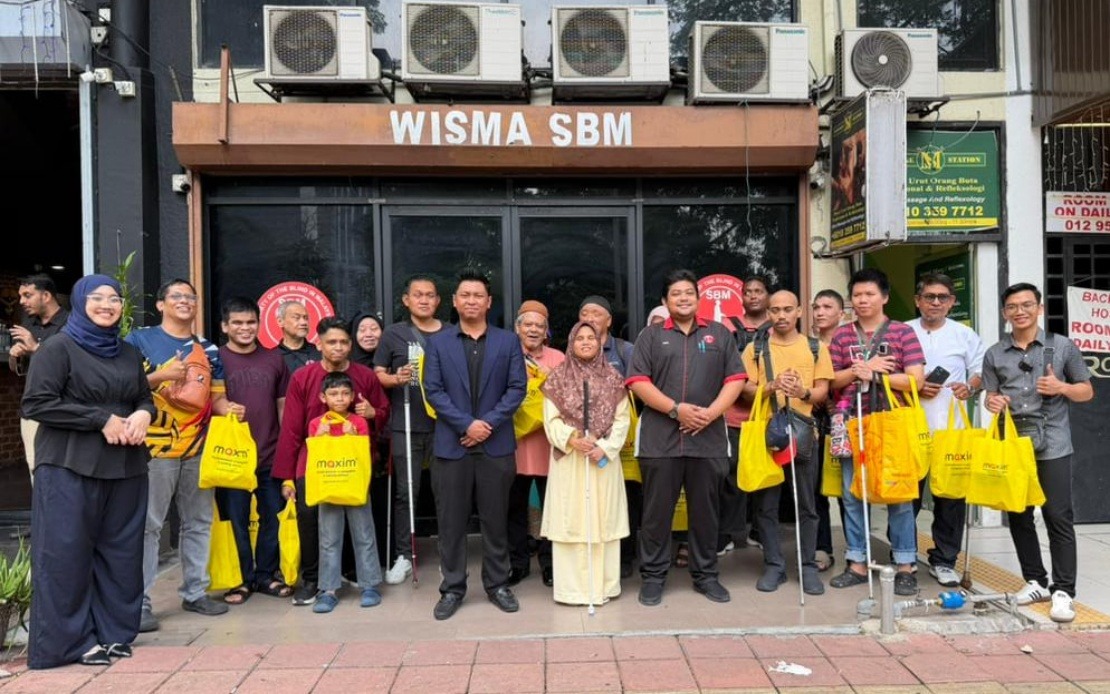
The company's collaboration with the Society of the Blind in Malaysia exemplifies how Maxim tailors technological features to specific disability categories. By promoting TalkBack voice-recognition functionality and raising awareness about digital mobility solutions optimised for visually impaired users, Maxim acknowledges that accessibility cannot employ a one-size-fits-all approach. Different disabilities require different accommodative measures, and the platform's willingness to engage directly with advocacy organisations demonstrates commitment to understanding nuanced requirements within the broader disability community.
Maxim's reach extends into the sporting realm through support for para-athletes and adaptive sports communities. Providing transport assistance to Sarawak para swimmers training for and competing in events illustrates how mobility access directly enables participation in competitive athletics. For para-athletes, transportation represents not merely convenience but a structural prerequisite for athletic development and competition. This involvement signals that Maxim views accessibility as encompassing the full spectrum of human activity and aspiration, not merely essential survival services.
The implications of Maxim's accessibility initiatives resonate beyond individual user convenience into broader societal questions about economic participation and social integration. Southeast Asian nations, including Malaysia, face demographic trends toward ageing populations alongside persistent economic inequality. Transportation accessibility directly determines whether elderly citizens and low-income families can remain economically and socially engaged, or drift toward dependency and isolation. By positioning itself as a platform committed to inclusive mobility, Maxim establishes a template for how commercial enterprises can align profit incentives with social inclusion objectives.
For Malaysian policymakers monitoring the regulatory landscape around ride-hailing services, Maxim's initiatives demonstrate how market players can voluntarily embed accessibility considerations into core business models without requiring extensive regulatory mandates. This private-sector leadership potentially reduces pressure on government resources while demonstrating feasibility of equitable service provision. However, such voluntariness depends on competitive market dynamics that reward inclusive approaches and user bases large enough to support cross-subsidisation strategies. Monitoring whether Maxim's competitors adopt similar practices will indicate whether accessibility becomes an industry standard or remains a differentiating factor limited to particular platforms.
Looking forward, Maxim articulates intention to deepen collaboration with government agencies, healthcare systems, educational institutions, and community organisations to progressively expand mobility access and strengthen social inclusion. This positioning suggests recognition that transportation accessibility represents a complex challenge requiring sustained engagement across multiple institutional sectors. The company frames transportation not as a commodity to be traded but as social infrastructure enabling opportunity and independence, a framing that could influence how the broader ride-hailing industry conceptualises its role within Malaysian society as it matures and expands.

