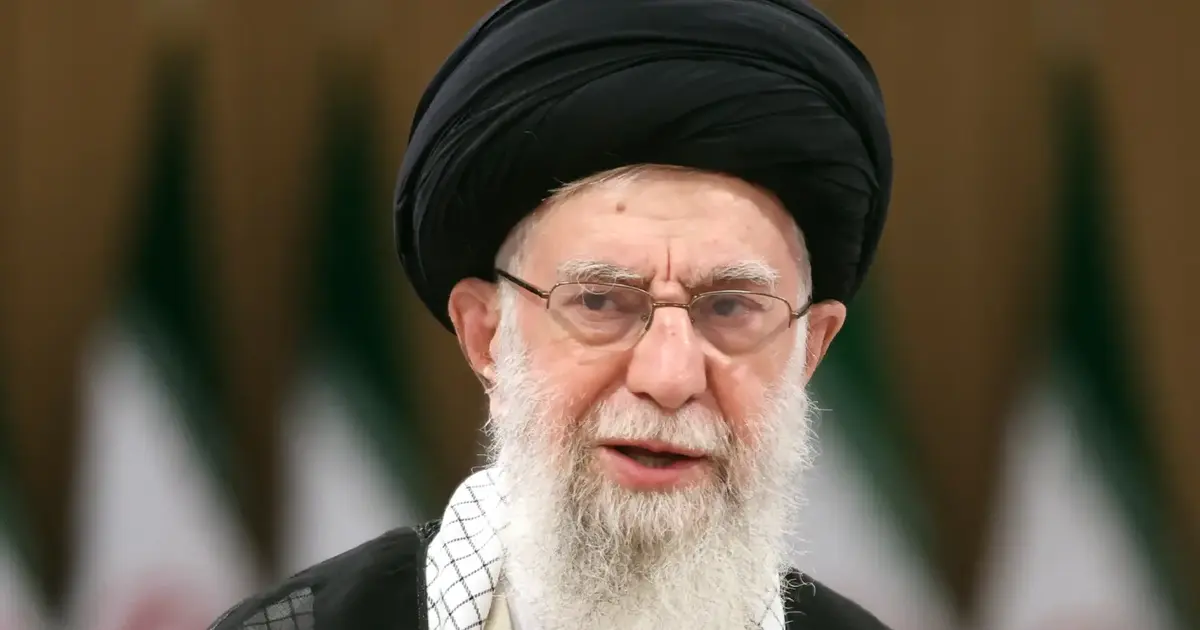
Malaysia will send Agriculture and Food Security Minister Mohamad Sabu as its official representative to the funeral of Iran's Supreme Leader Ayatollah Ali Khamenei, Prime Minister Anwar Ibrahim announced. The decision signals Malaysia's intent to maintain diplomatic ties with Tehran at a senior level during a significant moment in Iranian politics, as Khamenei's death marks the end of four decades of leadership over the Islamic Republic.
The choice of Sabu, commonly known as Mat Sabu, carries diplomatic weight beyond the ceremonial aspects of state funerals. As a senior cabinet minister with responsibility for agriculture and food security, his attendance reflects Malaysia's recognition of Iran's regional importance and the shared interests both nations maintain on multiple fronts. Iran has long been a significant player in global energy markets and Middle Eastern geopolitics, making high-level diplomatic representation at such occasions a customary practice among nations seeking to preserve strategic relationships.
The funeral in Tehran, scheduled for the day following the announcement, brings together leaders and representatives from across the globe. Such gatherings typically serve as informal diplomatic venues where nations reinforce bilateral relationships and explore collaborative opportunities. For Malaysia, participation underscores its commitment to maintaining balanced foreign relations in a region marked by complex geopolitical tensions and shifting alliances.
Anwar's decision to dispatch Sabu rather than attending personally reflects the established protocol for delegating such ceremonial duties to cabinet-level officials, a practice common among prime ministers managing multiple domestic and international commitments. However, the ministerial rank of the representative itself conveys a message of respect and significance to the receiving country. The agriculture portfolio, while appearing domestic-focused, carries trade and economic dimensions that intersect with Iran's own development priorities.
Malaysia's relationship with Iran has evolved within the context of broader Middle Eastern engagement and Malaysia's Islamic identity. The two nations share common ground on numerous issues ranging from religious dialogue to South-South cooperation frameworks. However, Malaysia has historically maintained a pragmatic foreign policy that avoids excessive alignment with any single Middle Eastern power, instead positioning itself as an intermediary and advocate for dialogue among different regional actors.
The attendance of Malaysian representation at such a high-profile funeral carries implications for how Malaysia navigates its relationships in the Middle East, particularly amid ongoing tensions between Iran and Western nations. By sending an official delegation, Malaysia affirms its diplomatic neutrality while respecting the sovereignty of all nations and their significant moments. This approach aligns with Malaysia's established stance within the Non-Aligned Movement and its commitment to international law and peaceful resolution of disputes.
For Malaysian observers and policymakers, the funeral represents a transition point in Iranian leadership. Khamenei's long tenure established particular patterns of governance and regional engagement that may shift under new leadership structures in Iran. Malaysia's diplomatic presence at this juncture allows the nation to position itself advantageously for future engagement with Iran's emerging political configuration, ensuring continuity of bilateral relations regardless of internal Iranian political changes.
The international dimension of Khamenei's funeral demonstrates how significant state events become focal points for global diplomacy. Nations large and small use such occasions to reaffirm commitments, forge new connections, and demonstrate their standing within the international community. For Malaysia, a middle-income nation with limited military power but considerable soft power through its multicultural society and Islamic credentials, such diplomatic occasions provide valuable platforms for advancing national interests.
Sabu's attendance also reflects the interconnected nature of modern governance, where ministerial portfolios extend beyond their nominal remit. Food security, agriculture, and resource management intersect with Iran's own development agenda and regional cooperation frameworks. The minister's presence may facilitate discussions on agricultural trade, knowledge exchange, and collaborative research that benefit both nations' populations.
The appointment comes at a time when Malaysia continues consolidating its foreign policy under Anwar's administration, with emphasis on strategic autonomy and balanced engagement with major powers and regional actors. By maintaining strong diplomatic channels across diverse geopolitical camps, Malaysia preserves flexibility in advancing its national interests while avoiding entanglement in conflicts not directly affecting core Malaysian concerns.
Regionally, Malaysia's participation in such events contributes to Southeast Asian representation in broader international affairs. While individual Southeast Asian nations maintain distinct foreign policies, their collective diplomatic presence at significant global events reinforces the region's relevance and agency in international decision-making processes. This becomes increasingly important as geopolitical competition intensifies between various power blocs seeking influence over Southeast Asia's strategic positioning.

