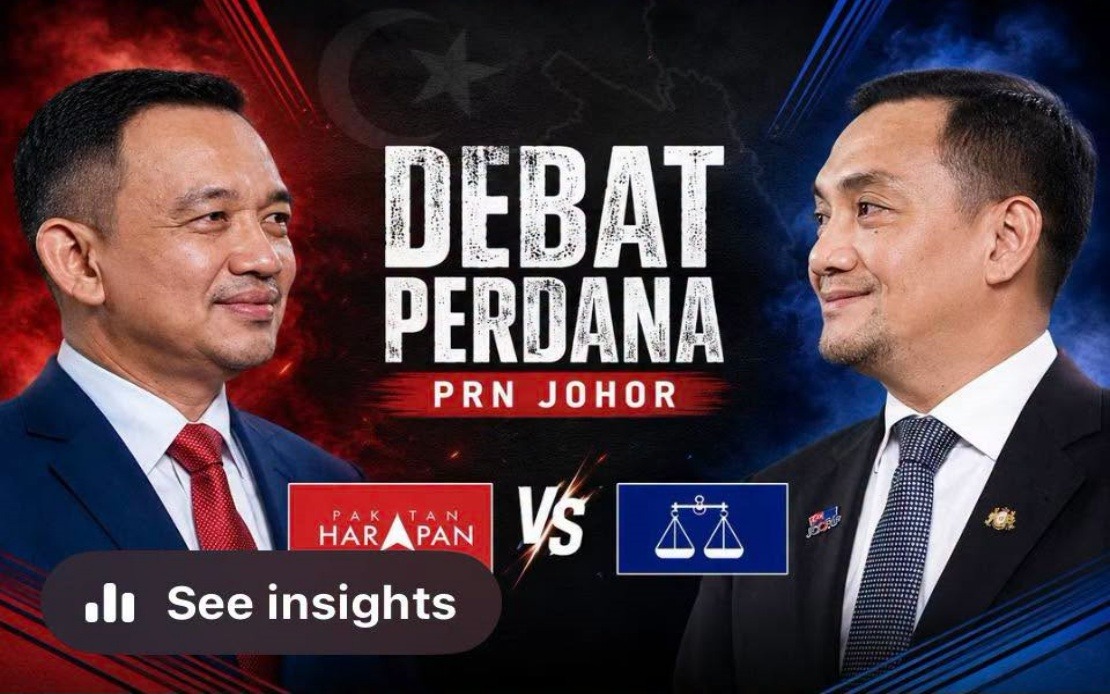
Maszlee Malik, the ex-Education Minister now campaigning as Pakatan Harapan's choice for the Puteri Wangsa constituency, has confirmed his willingness to engage in a public debate with incumbent Johor Menteri Besar Onn Hafiz Ghazi in the run-up to the state election. The announcement represents a notable moment in the electoral calendar, signalling a willingness among political contenders to move beyond traditional campaigning into direct public discourse.
The veteran politician made his acceptance public through a Facebook statement, framing his decision as grounded in respect for democratic processes and his conviction that televised or public debates elevate the quality of political engagement. Maszlee emphasised that such forums provide opportunities to educate voters and promote what he termed a culture of mature politics, suggesting that substantive policy discussion should replace personal attacks or empty rhetoric in electoral campaigns. His tone reflected a desire to set the tenor of the contest at a higher level of discourse.
The proposal for what has been dubbed the "Johor State Election Grand Debate" originated from social media influencer Muhamad Harris Nasril and gained wider circulation through the Redaksi.com Facebook page. This grassroots push for public debate reveals voter appetite for direct engagement between candidates, particularly in an era where digital platforms shape political narratives. The fact that such proposals now emanate from civil society voices rather than solely from political parties or media organisations underscores shifting expectations around campaign accountability and transparency.
Maszlee noted that his acceptance announcement had already generated substantial interest, with multiple parties seeking confirmation of his participation. This groundswell of attention suggests the debate has captured public imagination beyond typical political circles, potentially reaching voters who might otherwise remain detached from electoral processes. The scheduling of such an event could become a defining feature of the Johor campaign, drawing viewership and media coverage that extends beyond the state itself.
Packatan Harapan's slate for the election reflects a carefully negotiated distribution among coalition partners. The alliance is contesting all 56 seats across the state, with PKR fielding 20 candidates, Amanah putting forward 19, and DAP fielding 17 representatives. This configuration demonstrates the coalition's organisational depth and its capacity to mobilise resources across multiple parties, though internal power dynamics and territorial agreements have likely shaped these allocations. The breadth of PH's candidacy reflects confidence in the coalition's ability to compete seriously for state-level control.
The electoral timetable moves with deliberate pace. The Election Commission designated Saturday as nomination day, establishing the formal window for candidate registration. Early voting will occur on July 7, accommodating those unable to participate on the main polling day, whilst the decisive ballot is scheduled for July 11. This compressed timeline compresses the campaign period, meaning high-profile events such as the proposed debate become even more consequential in shaping voter perceptions and determining information flows during the critical final weeks.
Maszlee's career trajectory adds weight to his candidacy. His tenure as Education Minister positioned him at the centre of significant policy discussions, lending him credibility on substantive governance matters beyond mere partisan rhetoric. His willingness to engage in direct debate rather than avoiding such exposure suggests confidence in his ability to articulate positions and respond to criticism. For voters assessing the Johor contest, the educational credentials and ministerial experience of PH's candidates represent a counterweight to arguments about incumbent stability and administrative continuity.
The debate invitation itself reflects broader trends in electoral politics across Southeast Asia, where public forums increasingly shape campaign narratives and voter decisions. In Malaysia's context, such events provide opportunities to discuss specific state-level issues, development priorities, and local governance challenges that resonate with Johor residents. The debate framework could allow for extended discussion of matters affecting the state's economy, infrastructure, education, and healthcare—topics that benefit from substantive exploration rather than soundbite-driven discourse.
For Onn Hafiz, accepting or engaging with such a debate invitation carries its own strategic implications. As the sitting Menteri Besar, he carries the advantages and vulnerabilities of incumbency. A strong debate performance reinforces his claim to competent administration; conversely, struggles in public discourse could damage the aura of authority that benefits sitting office-holders. The decision to accept or decline such invitations thus carries significant political weight, particularly if voter expectations for debate have been set by Maszlee's acceptance.
The timing of the debate proposal, emerging after Anwar Ibrahim's announcement of all PH candidates, suggests a desire to move beyond simple candidate introductions toward substantive policy engagement. Voters increasingly expect more than rallies and soundbites; they seek opportunities to hear candidates articulate positions, defend decisions, and respond to criticism. A well-organised debate serves this function, potentially raising the overall standard of public discourse during the campaign.
Maszlee's framing of democratic values and political maturity speaks to aspirations among Malaysian voters for elevation of campaign standards. His invocation of these principles suggests belief that electoral contests need not descend into personality-driven attacks or unfounded accusations, but rather can focus on governance records, policy proposals, and vision for the state's future. Whether the actual debate, should it occur, achieves these lofty aims will depend on moderation, participant discipline, and audience engagement.
The Johor election assumes significance beyond state-level governance, as results typically signal broader trends in federal-level politics. A strong PH performance would bolster the coalition's credentials ahead of potential future federal contests, whilst victories for incumbent forces would suggest continuing appeal of established political arrangements. The debate between Maszlee and Onn Hafiz may thus assume national relevance, with political observers across Malaysia watching to assess how public discourse unfolds and which candidate narrative ultimately resonates with Johor voters.