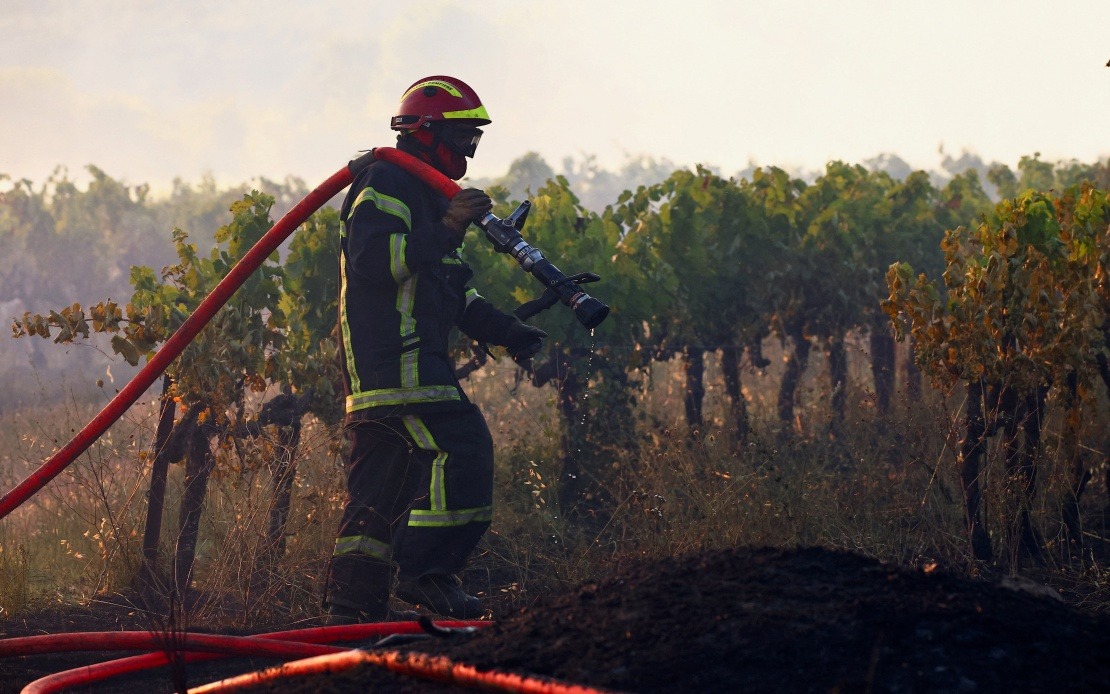
Southeastern France is grappling with a major wildfire crisis as flames continue to consume vast tracts of land in the Var department. According to regional authorities, the fires have already destroyed 1,700 hectares of terrain, marking another chapter in what has become an exceptionally challenging fire season for the nation. The scale of destruction has necessitated the evacuation of approximately 400 residents from multiple communes across the affected area, with entire communities forced to abandon their homes as the blaze spreads.
The impact on local infrastructure has been substantial and immediate. Power supplies serving 2,300 households have been severed, with the heaviest concentrations of outages reported in Cotignac. This disruption compounds the hardship faced by residents already displaced by the evacuation order, as many struggle to access electricity for essential services during the sweltering heat conditions that have characterised the region in recent weeks.
The geographic scope of evacuations reflects the unpredictable nature of the emergency. Officials have ordered the removal of residents from the communes of Ponteves, Cotignac, Sillans-la-Cascade, Correns and Montfort-sur-Argens. Coordinating such operations across multiple locations while the fire remains active underscores the intensity of the situation and the strain placed on local emergency services attempting to maintain public safety across a wide area.
Fighting the blaze has required mobilisation of extraordinary resources across departmental boundaries. Nearly 900 firefighters have been positioned to combat the flames, with reinforcements drawn not merely from surrounding Var communities but from other departments as well, reflecting a coordinated regional response to the crisis. Supporting these personnel are 350 vehicles equipped with firefighting apparatus and 60 gendarmes deployed to manage evacuation efforts and maintain order in affected zones.
This latest catastrophe sits within a broader pattern of unprecedented fire activity sweeping France this summer. President Emmanuel Macron acknowledged the exceptional nature of current conditions, noting that the nation has recorded more wildfires during this summer season than in any comparable period since the conclusion of World War II. This historical reference underscores just how anomalous the present situation has become, suggesting systemic changes in climate patterns rather than isolated meteorological events.
The root cause driving these fires is extreme heat that has settled over much of the country with remarkable persistence. Late June witnessed an extraordinary weather alert issued across 72 of France's 96 departments, a threshold that established a new national record. Temperatures in many areas approached or exceeded 40 degrees Celsius, with some locations registering even higher readings, creating conditions where vegetation becomes highly flammable and fires spread with alarming velocity.
For Southeast Asian readers, this situation offers instructive parallels to challenges faced in the region during monsoon off-seasons and drought periods. Malaysia and its neighbours have experienced their own devastating wildfire episodes, particularly in Sumatra and Borneo, where transboundary smoke has caused significant air quality degradation affecting millions across the region. The French experience demonstrates that even wealthy, industrialised nations with sophisticated emergency response systems face enormous difficulties in managing landscape-scale fire events when climate conditions become severely adverse.
The employment of such massive personnel and equipment resources also illustrates the economic cost of wildfire response. Beyond the immediate destruction of vegetation and property, authorities must commit substantial budgetary resources to firefighting operations, evacuation management, and subsequent recovery efforts. For developing economies in Southeast Asia, the financial burden of such crises can be particularly acute, diverting resources from other critical needs and straining national disaster response budgets.
The power outages affecting thousands of households highlight how environmental crises cascade into broader infrastructure failures. Electricity disruption during extreme heat creates secondary humanitarian challenges, as residents lose access to cooling systems precisely when ambient temperatures pose health risks. This interconnection between environmental extremes and vital services remains a critical vulnerability in modern societies globally.
Looking forward, the Var department fires signal that summer wildfire seasons may represent an increasingly routine component of European climate reality rather than exceptional occurrences. For Malaysia and the broader Southeast Asian region, this pattern raises questions about long-term climate adaptation strategies, resource planning for disaster management, and the economic implications of intensifying environmental challenges. The French situation underscores that even advanced economies require comprehensive, well-funded approaches to mitigating wildfire risks in an era of shifting climate patterns.

