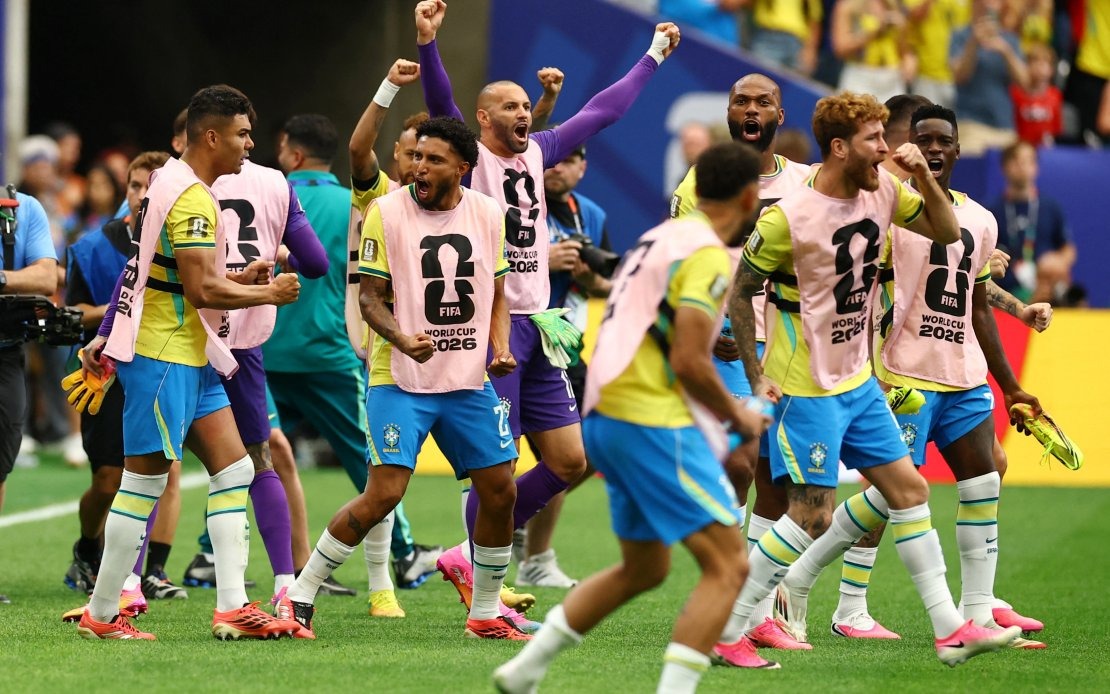
Brazil advanced to the World Cup round of 16 with a thrilling 2-1 victory over Japan in Houston on Monday, with Gabriel Martinelli's late heroics in stoppage time proving decisive in a match that showcased both teams' credentials as group-stage winners. The dramatic finish, coming after Japan had briefly claimed the lead, underscored the unpredictability of knockout football and Brazil's ability to respond under pressure when the stakes are highest.
Both nations had earned their places in the knockout stages after unbeaten campaigns through the group phase. Brazil topped Group C with seven points accumulated across their three matches, establishing themselves as convincing group winners. Japan, meanwhile, finished as runners-up in Group F with a more modest return of one victory and two draws, yet their progression demonstrated the tactical discipline that has increasingly characterised their World Cup performances in recent years.
The historical context between these two sides adds another layer to their rivalry. Brazil's only previous World Cup meeting with Japan resulted in a commanding 4-1 triumph, establishing their dominance on football's grandest stage. However, that narrative received a significant challenge when Japan engineered a remarkable comeback to defeat Brazil 3-2 in their most recent encounter last year, demonstrating that the Seleção can be vulnerable against organised opponents willing to press their advantage.
The match itself began with Brazil asserting their technical superiority and attacking intent. The five-time World Cup champions controlled possession in the opening stages, with Matheus Cunha coming close to breaking through in the 14th minute when his effort forced Japan goalkeeper Zion Suzuki into a one-handed save. The early dominance suggested a comfortable passage, but World Cup football rarely follows such predictable scripts.
Japan's breakthrough came against the run of play in the 29th minute through a clinical execution of a counter-attack. Danilo's imprecise pass in midfield became the catalyst for Japan's opportunity, as Kaishu Sano intercepted the loose ball and drove forward with purpose. Sano navigated around Casemiro's attempted interception before unleashing a powerful strike that found the net beyond Brazilian goalkeeper Alisson, silencing the Brazilian support and handing the underdogs a genuine shock lead.
Brazil's response after falling behind revealed their character, though they struggled initially to translate their possession advantage into meaningful scoring opportunities. Bruno Guimaraes saw a strike parried away, while Casemiro's header met a Japanese defender's block as the South Americans searched for the equaliser. The pattern of play suggested Brazil would eventually find their way through, but Japan's defensive organisation made it clear they would not concede easily.
The turnaround arrived in the 56th minute when Casemiro made amends for his earlier defensive lapse by rising highest to meet a Bruno Guimaraes cross and directing his header past Suzuki. The goal represented the turning point in momentum, with Brazil's pressing intensifying as they sensed an opportunity to seize control. Minutes later, Vinicius Jr produced a moment of individual brilliance, weaving through the Japanese defence with characteristic flair, though his effort cannoned off the post in a moment that could have settled the contest earlier.
The Brazilian onslaught continued through the second half as Japan, having expended considerable effort to establish their lead, found themselves increasingly pinned back by relentless waves of attack. Brazil's technical superiority began to tell, with their passing range and movement creating openings that Japanese defenders struggled to contain. Suzuki was called upon repeatedly to maintain parity, showcasing the resilience that has made him an important figure in Japan's World Cup campaign.
The decisive moment arrived in the deepest recesses of stoppage time, when Bruno Guimaraes picked out the unmarked Gabriel Martinelli with a precisely weighted pass into the penalty area. Martinelli's composure in a high-pressure situation proved crucial as he calmly slotted the ball past Suzuki in a one-on-one situation, sending the Brazilian contingent into celebration and effectively closing the contest. The timing of the goal, coming when Japan might have believed they could secure a draw, exemplified how knockout tournaments punish defensive lapses and reward clinical finishing.
Japan's desperate quest for a late equaliser proved unsuccessful, as Brazil's defensive resolve hardened in the final moments. The result sends Brazil forward to face either Côte d'Ivoire or Norway in the last 16, continuing their pursuit of a sixth World Cup crown. For Japan, despite the disappointing exit, their unbeaten group performance and competitive showing against the tournament favourites suggests their development under their current approach continues in the right direction, even as they depart earlier than many had anticipated in what proved an eventful knockout encounter.

