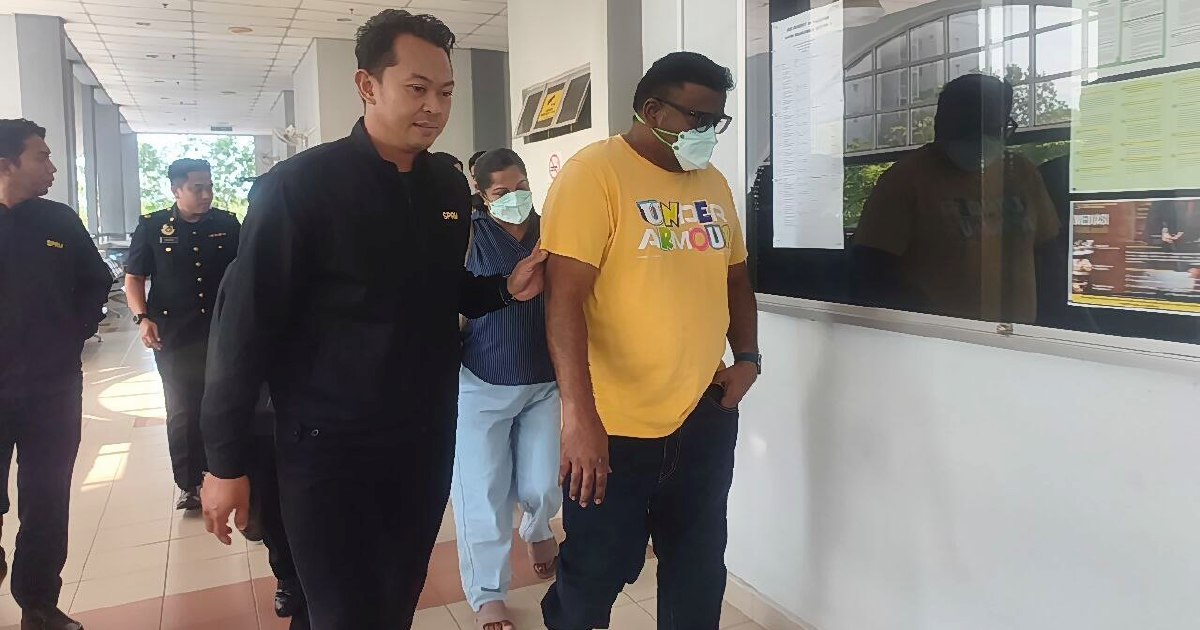
Three individuals appeared before the Seremban Sessions Court to contest charges related to fraudulent submissions under Malaysia's Social Security Organisation, locally known as Perkeso. Among the accused is a married couple who jointly pleaded not guilty alongside a third defendant to allegations concerning false incentive claim applications. The trio now faces legal proceedings that underscore growing concerns about benefit fraud within the national social security system.
The charges centre on submitting and assisting in making false incentive claims to Perkeso, a government body responsible for administering employer-linked social security benefits covering workplace injuries, invalidity, and death protection for Malaysian workers. Such allegations represent a serious breach of trust in a system designed to provide financial safeguards for the nation's workforce. The nature of these claims suggests a deliberate scheme rather than administrative error, indicating potential coordination among the accused parties.
The decision by all three defendants to plead not guilty indicates they intend to contest the charges rather than accept culpability. This approach will likely lead to a full trial where prosecutors must establish the elements of false claim submission and abetment beyond reasonable doubt. The court proceedings will examine documentary evidence, communications, and testimonies to determine whether Perkeso's verification procedures were deliberately circumvented.
For Malaysian readers familiar with workplace security systems, this case highlights vulnerabilities in the benefit application process. Perkeso manages approximately 9.5 million members across the private sector and certain government employees, administering benefit payments worth billions annually. When fraud occurs within this system, legitimate claimants and contributing employers bear the burden through reduced resources and potentially tighter eligibility criteria. The case therefore extends beyond individual criminal liability to affect broader social security policy.
The location of prosecution in Seremban, Negeri Sembilan's state capital, suggests the alleged fraudulent activities occurred within that jurisdiction. The Sessions Court hearing indicates this matter carries sufficient gravity to warrant trial at the intermediate criminal court level rather than a lower Magistrate's Court, reflecting either the amount defrauded or the nature of the breach. This procedural classification signals the seriousness with which authorities are treating the allegations.
The inclusion of a married couple among the accused raises questions about whether familial relationships facilitated the alleged fraud scheme. Domestic partnerships sometimes enable deceptive practices through shared access to documents, combined financial arrangements, or mutual involvement in scheme implementation. The joint action by spouses in fraudulent activities often suggests a coordinated effort extending beyond isolated opportunistic behaviour. This dimension may influence how the court assesses intent and culpability during trial proceedings.
Perkeso fraud cases have become increasingly prosecuted as the organisation strengthens its compliance and audit functions. The Social Security Organisation has implemented enhanced verification mechanisms to detect anomalies in claim submissions, particularly for incentive schemes designed to encourage employer participation in occupational safety initiatives. These schemes, while intended to boost workplace accident prevention, can become targets for dishonest applicants seeking unearned benefits.
The trial will likely examine whether the defendants submitted false documentation, misrepresented circumstances, or fabricated facts to qualify for incentive payments. Evidence gathering may involve forensic examination of application forms, supporting documents, financial transactions, and digital communications. Perkeso investigators would have identified inconsistencies or red flags that triggered the criminal referral to police and ultimately led to charges being preferred in Sessions Court.
For the employment sector broadly, prosecutions like this demonstrate that authorities maintain investigative capacity and prosecutorial will to combat systematic abuse of social security schemes. Employers who participate legitimately in incentive programmes may view such enforcement positively, as it protects the integrity of systems they fund through contributions. Conversely, workers fearing false accusations require proper safeguards ensuring investigators distinguish between genuine benefit claims and fraudulent submissions.
The court's eventual determination will establish whether the accused individuals deliberately misled Perkeso or whether alternative explanations account for claim irregularities. Conviction could result in imprisonment and fines under the Social Security Act provisions governing fraudulent claims. Such penalties serve both punitive and deterrent functions, signalling to potential offenders that Perkeso benefit fraud triggers serious criminal consequences.
As the trial progresses through the Malaysian court system, it will contribute to case law interpreting fraud provisions within social security legislation. Judicial reasoning in this proceeding may establish precedents affecting how courts evaluate similar charges, the evidentiary standards required for proving false submissions, and appropriate sentencing considerations for first-time offenders convicted of benefit fraud.

