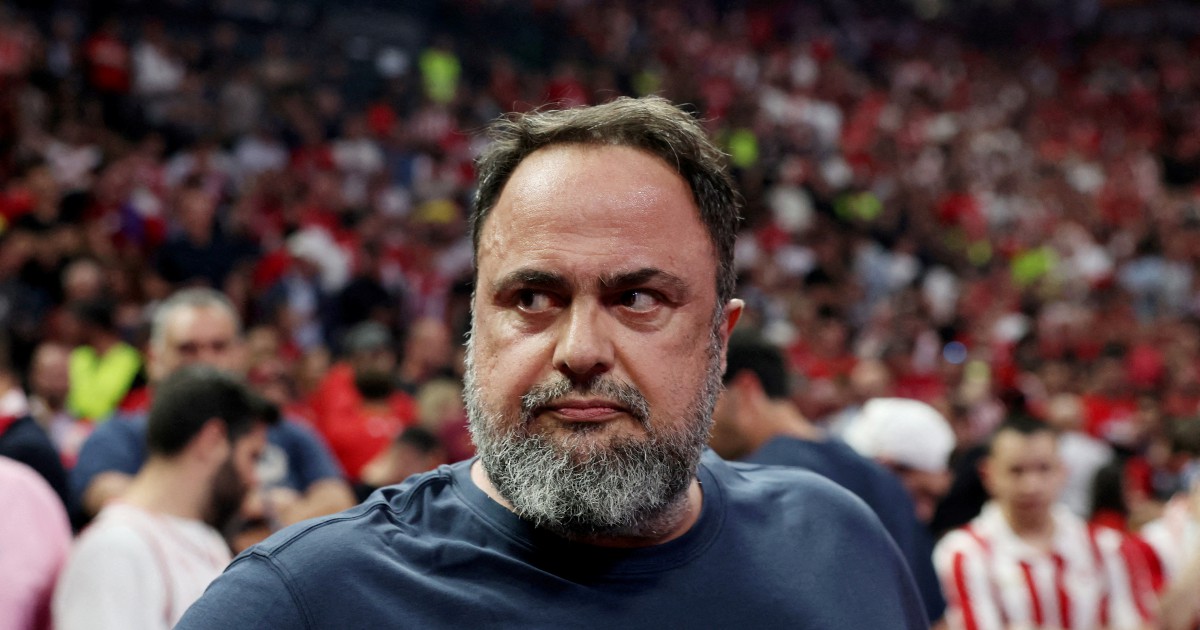
Evangelos Marinakis, the Greek businessman who owns Nottingham Forest, has escalated a dispute with Crystal Palace by filing a libel lawsuit at London's High Court. The action, initiated on Monday, stems from what media outlets have identified as an inflammatory banner that Palace supporters displayed during a Premier League fixture in the previous season. The move represents a significant escalation in tensions between the two English football clubs and underscores the growing willingness of high-profile sports investors to pursue legal remedies against perceived defamation in the context of fan behaviour.
The specific contents of the banner have not been detailed in official court filings, though reports suggest the message was calculated to provoke and damage Marinakis's reputation. Such confrontations between supporter groups and club ownership have become increasingly common in modern football, where partisan expression and offensive messaging occasionally blur the line between passionate support and actionable misconduct. The fact that Marinakis has chosen to pursue the matter through the British legal system rather than through football's internal disciplinary channels indicates he views the alleged insult as sufficiently serious to warrant formal court intervention.
Marinakis acquired controlling interest in Nottingham Forest in 2017, transforming the historic Midlands club's fortunes through substantial investment. His tenure has been marked by significant spending in the transfer market and a return to the Premier League after a sixteen-year absence, culminating in the club's promotion in 2022. However, his ownership has occasionally attracted scrutiny, and the relationship between club leadership and opposition supporters has sometimes proven contentious. This lawsuit represents one of the more overt expressions of that tension.
The legal action against Crystal Palace raises broader questions about the extent to which football club owners should pursue court cases based on supporter conduct. While defamation law exists to protect individuals and organisations from false and damaging statements, the football context introduces complications. Supporters are often passionate and sometimes provocative, and drawing lines between acceptable rivalry and actionable libel presents genuine legal and philosophical challenges. The High Court will ultimately determine whether the alleged banner crossed that threshold.
For Malaysian football enthusiasts and observers, this dispute carries particular relevance given the increasing involvement of international investors in European football. Southeast Asian money has flowed into various football clubs across Europe, and similar disputes could conceivably arise elsewhere. The Marinakis case therefore establishes potential precedent for how courts might handle defamation claims arising from fan conduct in professional football contexts.
Crystal Palace, the respondent in these proceedings, competes in south London and has its own passionate supporter base. The club's management will now need to mount a legal defence, potentially arguing that the disputed banner constituted legitimate, if provocative, supporter expression rather than defamatory falsehood. The outcome of this case could significantly influence how football clubs and their ownership groups respond to future fan behaviour they deem unacceptable.
The timing of the lawsuit, arriving in the current Premier League season, adds another dimension to the dispute. Both clubs continue competing at the highest level of English football, and this legal proceeding will occur against the backdrop of their ongoing sporting rivalry. The case has the potential to generate substantial media attention and could influence how supporters of both clubs interact with one another going forward.
London's High Court has previously heard football-related disputes, though defamation cases specifically arising from fan conduct remain relatively uncommon at that level. The court's handling of this matter will likely influence whether similar legal challenges become more prevalent in future. Marinakis's decision to pursue the case signals that wealthy club owners increasingly view legal remedies as viable responses to perceived reputational damage, regardless of the source.
The broader implications extend to questions of free speech, supporter culture, and the evolving relationship between money, professional football, and public discourse. As club ownership becomes increasingly internationalised and wealthy individuals from diverse backgrounds assume control of historic institutions, different cultural expectations regarding respect, reputation, and acceptable speech may collide. This lawsuit encapsulates that tension, presenting a test case for how contemporary legal systems adjudicate such conflicts.
The outcome remains uncertain, as High Court proceedings in defamation cases typically involve detailed examination of the disputed statement's meaning, whether it conveyed defamatory implications, whether it damaged the claimant's reputation, and whether the defendant can establish a defence such as truth or fair comment. Marinakis will bear the burden of proving his case on the balance of probabilities, a standard that has resulted in mixed outcomes for similar claims in the past.

