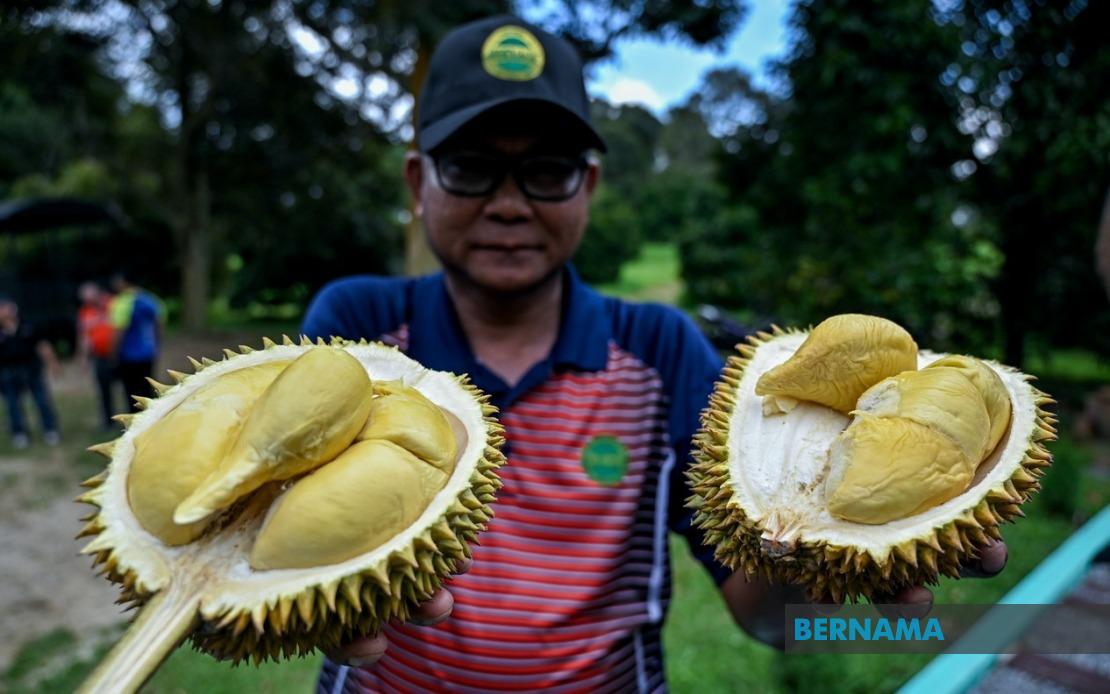
The Malaysian Agricultural Research and Development Institute (MARDI) has made substantial progress in expanding domestic durian cultivation through its hybrid breeding programme, having established approximately 25,000 MS88 trees throughout the nation. According to Datuk Dr Mohamad Zabawi Abdul Ghani, the institute's director-general, these plantings now cover an area spanning 242 hectares, representing a significant investment in modernising Malaysia's durian sector through scientifically developed varieties that offer consistency and quality advantages over traditional cultivars.
The geographical concentration of these plantings reflects strategic choices aligned with market demand and climatic suitability. While the MS88 hybrid has been distributed nationwide, Selangor and the East Coast states have emerged as focal points for the initiative. This distribution pattern makes sense given that these regions possess established durian farming infrastructure, proximity to major consumer markets, and increasingly sophisticated cold chain facilities that support premium fruit commerce. The strategic placement also acknowledges that successful agricultural innovation requires not just botanical advancement but also existing farmer networks capable of adopting new techniques.
The MS88 represents one pillar of MARDI's durian improvement strategy developed over more than two decades. Alongside MDUR78 and MDUR79, the MS88 has become recognised among serious durian consumers and commercial growers as a reliable premium option. These three varieties emerged from the institute's long-term breeding work, reflecting institutional commitment to elevating Malaysia's durian reputation beyond traditional open-pollinated varieties, which often display inconsistent fruit quality and seasonal variability. The success of these three established hybrids provides proof of concept for MARDI's laboratory-to-farm approach.
For Malaysia's durian industry, the significance of hybridisation extends beyond mere novelty. The nation has traditionally competed globally on the strength of premium heritage varieties like Musang King and D24, commanding premium prices but facing supply constraints and quality inconsistencies. Hybrid varieties promise to democratise premium durian production by offering growers more predictable yields, shorter time-to-bearing cycles, and disease resistance characteristics that reduce cultivation risk. This addresses a structural challenge facing Malaysian durian farming: high input costs and extended maturation periods make the sector capital-intensive and vulnerable to climatic shocks.
MARDI's ongoing development of three additional premium hybrids signals confidence that the hybrid approach is capturing market momentum. The institute is subjecting these new candidates to rigorous evaluation protocols examining not only fruit characteristics but also farmer acceptance and cultivation feasibility. This multidimensional assessment approach indicates institutional learning from earlier hybrid releases. New varieties must meet consumer expectations regarding taste, appearance, and texture whilst remaining technically achievable for smallholder farmers who comprise a significant portion of Malaysia's durian production base.
The deliberate secrecy surrounding the new varieties' identities reflects sophisticated commercialisation strategy rather than mere institutional caution. By reserving formal announcements until the durian season, MARDI can maximise media attention and consumer engagement, creating anticipation that benefits both the institute's reputation and participating growers' market positioning. This timing approach also allows the institute to orchestrate public tastings and demonstrations when durian consumption peaks and consumer attention is highest, effectively using seasonal psychology to promote adoption.
From a Southeast Asian competitive perspective, Malaysia's systematic breeding programme positions the nation advantageously against regional rivals developing their own durian industries. Thailand, Vietnam, and Indonesia have substantially expanded durian cultivation, yet Malaysia maintains a technological edge through institutions like MARDI possessing decades of genetic material and breeding expertise. The 25,000 trees already established represent both a commercial asset and a statement of horticultural sophistication that reinforces Malaysia's durian branding internationally.
The economic implications deserve consideration beyond pure production volume. Premium hybrid varieties command price premiums of 20-40% above standard cultivars in domestic and export markets, potentially generating significantly higher income per hectare than conventional durian farming. When multiplied across the 242 hectares already planted and anticipated future expansion, this represents meaningful rural income enhancement, particularly in states where durian has become economically significant to farming communities.
However, successful varietal innovation ultimately depends on farmer adoption rates and market reception. MARDI's experience suggests that releasing new hybrids requires complementary support including extension services, nursery stock availability, and market development activities to ensure growers possess both the capability and confidence to plant these varieties at scale. The institute's previous successes with MS88, MDUR78, and MDUR79 indicate that such support systems are being deployed effectively.
Looking forward, the pipeline of new varieties under evaluation suggests that MARDI intends to maintain continuous innovation momentum rather than resting on established successes. This commitment reflects understanding that premium agricultural sectors cannot remain static, as consumer preferences evolve and international competition intensifies. The three new hybrids in development may represent the next generation of Malaysian durian excellence, with potential to further enhance the nation's market position during a period when global durian demand continues expanding, particularly from East Asian markets where premium varieties command exceptional prices.

