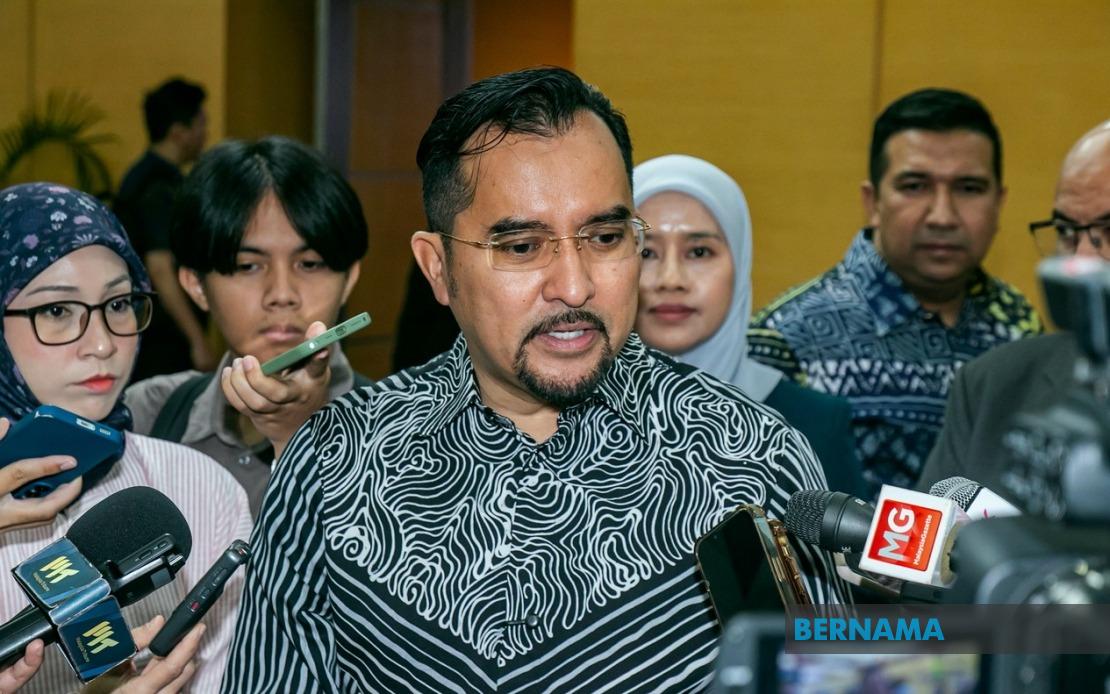
The Majlis Amanah Rakyat (MARA) has initiated a comprehensive review of its standard operating procedures governing student outings at Mara Junior Science Colleges (MRSM) in the wake of an incident in which two teenagers vanished from their residential campus. Datuk Dr Asyraf Wajdi Dusuki, who heads the institution, characterised the incident as an anomaly rather than a systemic failure, emphasising that MARA remains committed to fostering the personal development of its charges through carefully managed freedoms.
On August 11, two Form Four students at MRSM Alor Gajah in Melaka were reported missing after attending a health clinic on campus. The pair, both aged 16, remained unaccounted for until August 15, when authorities discovered them near Pasar Seni in Kuala Lumpur. One of the girls experienced a severe panic attack upon being located and required hospitalisation for shock-related trauma. The circumstances surrounding their four-day absence prompted immediate police involvement and sparked renewed scrutiny of MRSM's student management protocols.
During a media address following the 2026 pre-departure briefing for MARA-sponsored overseas students, Asyraf Wajdi articulated a measured position that balances institutional accountability with pedagogical philosophy. He acknowledged that MARA would examine its existing frameworks but stressed that the investigation remained ongoing and preliminary conclusions should not drive hasty policy overhauls. His remarks reflected broader tensions within boarding school administration between safeguarding duty and the educational value of granting adolescents measured autonomy.
Currently, MRSM students operate under a system that permits them to venture into nearby towns approximately once or twice monthly under specified conditions. Crucially, these outings occur without mandatory teacher supervision, a practice that reflects confidence in student maturity and responsibility. This policy has functioned as part of MARA's holistic approach to education, recognising that developing independence and sound decision-making during the secondary years represents a critical element of academic institutions' broader mission.
Ashraf Wajdi cautioned against weaponising the Alor Gajah incident to justify restrictive measures that might eliminate beneficial opportunities for the broader student population. His concern centred on the danger of reactive governance, whereby isolated incidents prompt institutional responses that inadvertently undermine long-established programmes functioning effectively across the MRSM network. This position reflects a recognition that excessive restriction could inadvertently compromise the developmental benefits that supervised freedoms provide.
Police authorities in Alor Gajah have engaged MARA's leadership as part of their investigative efforts, yet the organisation has refrained from disclosing detailed findings pending completion of official inquiries. This restraint aligns with established protocols protecting minors' privacy in sensitive cases. The chairman's plea for patience and discretion represents an effort to shield the affected students from excessive public scrutiny during what appears to have been a traumatic episode.
The incident takes on heightened significance within Malaysia's education landscape, where residential colleges serve hundreds of thousands of students annually. Boarding schools operate within delicate frameworks balancing duty of care obligations against student welfare, institutional reputation, and educational philosophy. The Alor Gajah case has renewed discussions among parents, educators, and policymakers regarding optimal approaches to monitoring student conduct while preserving the developmental benefits of boarding school environments.
For MARA specifically, the incident occurs amid broader scrutiny of residential institution management across Southeast Asia. Recent years have witnessed intensified focus on safeguarding protocols in boarding facilities, driven partly by heightened awareness of child protection issues and changing parental expectations regarding oversight. MARA's response will likely influence how other Malaysian educational institutions evaluate their own procedures, making the review particularly consequential for the sector.
The chairman's statement implies that any revised procedures will likely target specific operational deficiencies rather than wholesale overhaul of the outing system. Potential modifications might encompass enhanced communication protocols between campus health facilities and administrative staff, refined procedures for tracking student movements during approved outings, or improved training for staff responsible for monitoring student welfare. Such targeted adjustments could theoretically strengthen safeguarding without dismantling the autonomy framework that MARA considers educationally valuable.
Stakeholders including parents of current and prospective MRSM students will closely monitor how thoroughly MARA's review addresses the incident. The institution faces competing pressures to demonstrate decisive action while avoiding overreaction that might reduce educational enrichment opportunities. This balancing act reflects broader challenges confronting Malaysian educational leadership, particularly regarding how institutions should evolve their practices in response to isolated adverse events without compromising their core missions.

