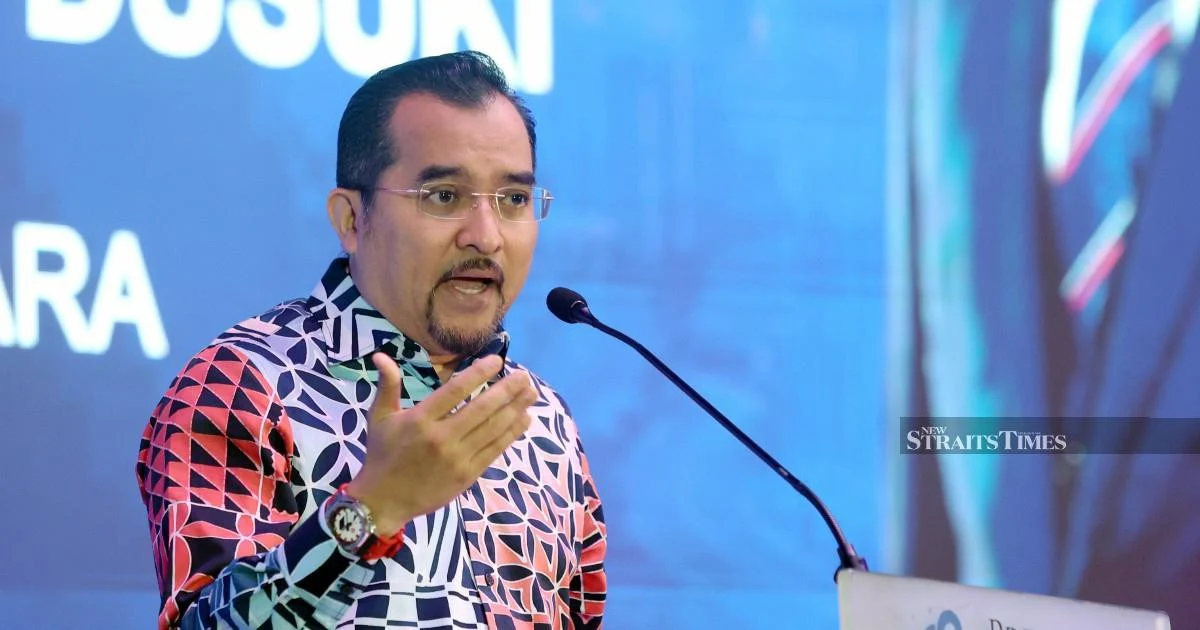
Majlis Amanah Rakyat (Mara), which oversees Malaysia's network of residential junior science colleges, is proceeding cautiously in response to bullying allegations involving six students at one of its Johor institutions. The statutory body has signalled that it will not move forward with any institutional sanctions or disciplinary measures until it receives the comprehensive findings from the police investigation currently underway. This measured approach reflects the complexity of handling serious misconduct allegations within the government-funded MRSM system, which serves high-achieving secondary students across the country.
The decision to await the police report underscores the institutional challenges facing Mara when allegations of this nature surface. The six students face accusations of bullying directed at another pupil, an incident serious enough to trigger law enforcement involvement. By conditioning its own response on the police investigation's completion, Mara is effectively separating the criminal inquiry process from its internal administrative and disciplinary frameworks—a procedure that, while cautious, also means the institution cannot act unilaterally until external authorities establish what transpired.
Bullying in Malaysia's elite boarding schools has emerged as a recurrent concern, with periodic reports revealing that such misconduct can range from minor social exclusion to severe psychological and physical harassment. The MRSM colleges, which have historically maintained strong academic reputations and selective admission standards, have not been exempt from these dynamics. The surfacing of this Johor allegation adds to a growing pattern of bullying incidents that have prompted discussions about safeguarding protocols and pastoral care within residential educational institutions.
Mara's institutional structure places it in a position where it must balance multiple responsibilities. As an agency accountable to government and the public, it must protect students and maintain institutional integrity. Simultaneously, it must respect due process and ensure that any disciplinary action it takes is founded on verified facts rather than assumptions or incomplete information. The police investigation serves as an independent fact-finding mechanism that can provide clarity about what occurred, the severity of the conduct, and the individuals involved.
The timing of such investigations often creates frustration within school communities and among affected families. Parents of the bullied student may wish for immediate action from the institution, while the families of the accused students may feel anxiety about their children's futures pending formal findings. Mara's public commitment to await the police report may be intended as a transparency measure, signalling that neither the accused nor the victim will face institutional consequences based solely on allegations—a principle aligned with natural justice and fairness.
From a practical standpoint, Mara faces potential legal exposure if it were to impose severe penalties, such as expulsion, without having verified the facts through an independent investigation. Police findings carry evidentiary weight and can provide documentation that would withstand scrutiny should any disciplinary decisions be challenged. By anchoring its response to the police report, Mara creates a defensible decision-making foundation. This approach, however, also means that internal institutional safeguarding measures or preventive actions may remain limited until that report is received.
The broader context of bullying in Malaysian schools includes increasing awareness and legislative attention. While Malaysia lacks comprehensive anti-bullying legislation at the federal level, various state education agencies and institutions have developed their own policies and complaint mechanisms. The MRSM system, given its prominence and the calibre of students it admits, faces heightened expectations regarding student welfare and the prevention of harmful peer interactions. Incidents like this one attract media attention and public scrutiny, placing pressure on institutions to demonstrate robust protective frameworks.
For students at Johor's MRSM campus, the ongoing investigation inevitably creates an atmosphere of uncertainty. The accused students face the stress of a police inquiry, while the bullied student must navigate continued residence within the school environment, potentially alongside those who are the subject of investigation. Schools in such situations often grapple with how to support all students involved whilst an external process unfolds. Mara's silence on interim supportive measures—separate from disciplinary action—is notable and raises questions about what pastoral care is being offered.
The decision to wait for police completion also reflects global best practice in some respects. Many international schools and institutions differentiate between criminal investigations, which law enforcement conducts, and institutional disciplinary processes, which schools manage independently according to their policies. However, Malaysian public institutions like Mara often operate under greater scrutiny and must demonstrate that they are not circumventing or duplicating the police process. Yet the approach of deferring all action until a report arrives can inadvertently signal passivity to the school community.
Once the police report reaches Mara, the organisation will face substantive decisions. Depending on findings, it may recommend counselling or rehabilitation for the accused students, impose academic or residence suspensions, initiate expulsion procedures, or take no institutional action if police determine allegations lack merit. The severity of bullying documented in the report will largely determine the proportionality of any response. If the investigation reveals systematic, protracted harassment, stronger institutional action would be expected; if isolated incidents, lighter measures may suffice.
The case also highlights the intersection of educational institutions with criminal justice processes. In Malaysia, where schools have traditionally maintained internal discipline regimes, the involvement of police in school-based matters reflects the seriousness with which bullying allegations can be treated when physical violence or organised intimidation is suspected. This trend, visible in recent years, suggests a cultural shift toward treating severe bullying as a matter requiring law enforcement attention rather than purely as a disciplinary issue for schools to resolve internally.
For Malaysian families with children in residential colleges, this incident serves as a reminder of the realities of boarding school life, where peer dynamics develop in an intensive communal setting. It underscores the importance of robust reporting mechanisms, trained counsellors, and responsive institutional leadership. While Mara's decision to await the police report is administratively prudent, it also reflects the broader challenge facing Malaysian education stakeholders: ensuring that bullying is neither minimised nor used as a tool to bypass fair procedures, and that both perpetrators and victims receive appropriate support.

