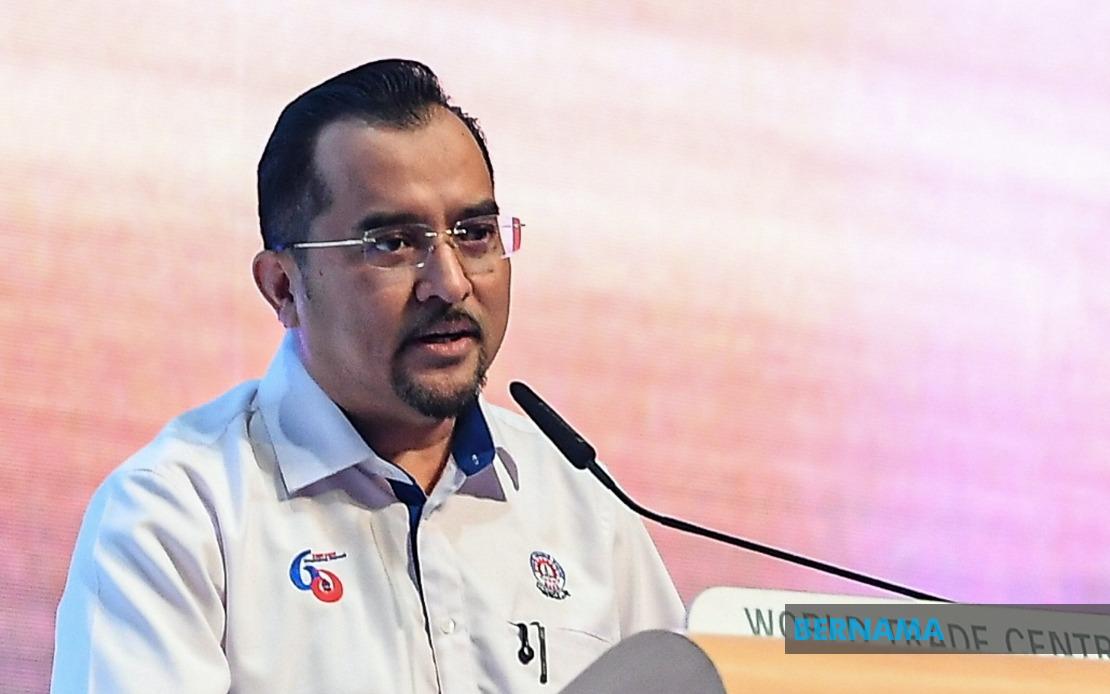
The Malaysian government's Higher Education Ministry body has moved swiftly to address a serious bullying case that has emerged at one of its premier boarding institutions. MARA Chairman Datuk Asyraf Wajdi Dusuki declared on Friday that expulsion awaits any students proven responsible for the incident at MARA Junior Science College in Johor, signalling an uncompromising stance on campus violence and abuse.
Six Form Five students currently face police investigation following their arrest on suspicion of bullying a 14-year-old junior student. The case gained public attention after the victim's parents disclosed their ordeal on social media, describing how their son had become so distressed by the treatment that he requested withdrawal from the institution. This parental intervention proved crucial in bringing the incident to official attention and triggering the formal investigation now underway.
Dusuki immediately instructed MARA's Secondary Education Division and MRSM administration to initiate a College Disciplinary Committee meeting within 24 hours. This rapid response reflects mounting pressure on Malaysia's premier boarding schools to address bullying systematically, particularly given their selective admission processes and the significant tuition fees families invest. The speed of this institutional reaction contrasts sharply with historical patterns where such incidents often remained suppressed or mishandled within school hierarchies.
The alleged bullying incident carries particular significance because MRSM schools function as pipeline institutions for Malaysia's civil service and professional elite. These colleges, established to identify and nurture talented students from all socioeconomic backgrounds, pride themselves on meritocratic admission and character development. A bullying scandal threatens this reputation and raises questions about pastoral care systems at residential schools where students spend most of their adolescent years away from parental supervision.
Dusuki's public stance employed emphatic language, declaring a "YOU TOUCH, YOU GO" policy applicable across the entire MRSM network. This phrase, widely circulated in Malaysian education circles, represents zero tolerance framing that aims to deter potential perpetrators while reassuring parents that their children's safety remains paramount. The chairman positioned bullying as fundamentally incompatible with the institution's values, whether framed as hazing, discipline, or tradition.
The disciplinary process will examine whether the six students engaged in physical assault or psychological abuse. The fact that police remanded them for two days suggests the allegations extend beyond minor conflicts toward more serious misconduct warranting criminal investigation. This dual-track approach—simultaneous disciplinary and criminal proceedings—creates complexity, as institutions must be cautious not to prejudice legal outcomes while protecting the broader student community.
Dusuki additionally cautioned against institutional complicity, warning that any staff or students attempting to conceal the bullying or shield perpetrators would themselves face disciplinary action from MARA. This warning addresses a widespread problem in Malaysian residential schools where hierarchical cultures and school pride sometimes incentivise cover-ups. By explicitly threatening consequences for silence, the chairman attempted to shift institutional culture toward transparency.
The incident also underscores the vulnerability of younger students in boarding environments. A 14-year-old experiencing bullying severe enough to prompt withdrawal represents a child in genuine psychological distress. The fact that he apparently struggled before parents intervened highlights how boarding structures can isolate victims from immediate parental protection and how peer pressure can silence complaints. MRSM administrations now face pressure to establish confidential reporting mechanisms that empower junior students.
Dusuki's public statements encouraged all MRSM students to report bullying immediately to teachers, wardens, or administrators rather than suffering silently or leaving school. This appeal recognises that Malaysian boarding culture traditionally emphasised toughness and self-reliance, sometimes discouraging reporting as weakness. Shifting this mentality requires sustained institutional messaging and accountability.
The broader implications extend throughout Malaysia's secondary education sector. Other residential schools, both government and private, will likely face scrutiny regarding their own bullying policies and enforcement mechanisms. Parents considering boarding options for their children now possess a concrete example of how allegations are handled at a major institution, potentially influencing enrollment decisions.
This case arrives amid international conversations about school safety and mental health. Malaysia's boarding schools historically operated with minimal external oversight, but social media now enables rapid exposure of institutional failures. Institutions must balance discipline with transparency, and reputational concerns now drive policy responses as much as ethical imperatives.
The upcoming disciplinary committee findings will establish precedent for MRSM institutions nationally. An expulsion outcome would demonstrate that the chairman's statements represent genuine policy rather than rhetorical positioning. Conversely, any lenient outcome would undermine institutional credibility and validate parent concerns about preferential treatment of students from privileged backgrounds.
For Malaysian families, this incident reinforces the necessity of maintaining active engagement with boarding school children. Parent vigilance, combined with institutional accountability mechanisms and clear zero-tolerance policies, creates the framework within which residential education can function safely. The MARA response suggests movement toward this protective model, though sustained implementation will ultimately determine whether statements translate into genuine cultural change.

