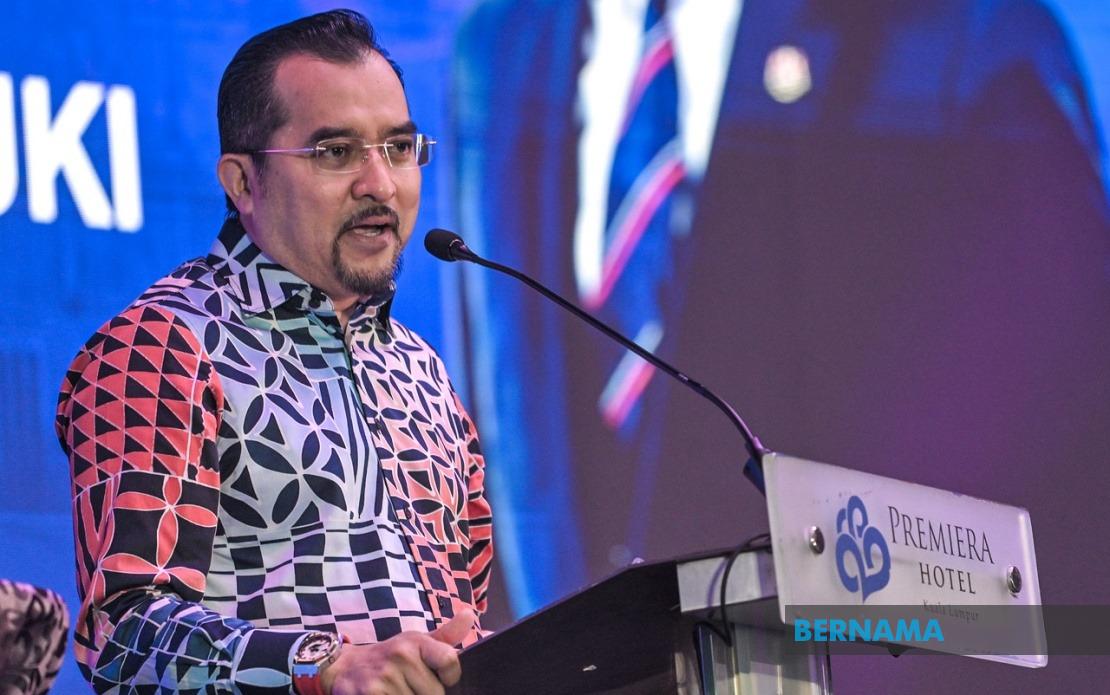
Majlis Amanah Rakyat has announced an ambitious restructuring of pastoral care at its 58 MARA Junior Science Colleges nationwide, introducing a cadre of four full-time wardens drawn from former military ranks to oversee student welfare and character formation. The initiative, unveiled by MARA chairman Datuk Dr Asyraf Wajdi Dusuki at the 2026 MARA Educators' Awards Day in Kuala Lumpur, represents a significant shift in how Malaysia's premier residential colleges manage student conduct and personal development beyond the classroom.
Rolling out incrementally, the scheme will commence at ten MRSMs during the current year, with full implementation across the entire network scheduled for January next year. This phased approach reflects MARA's intention to ensure quality training and integration of the new wardens into existing institutional cultures without disrupting established routines. Each college will ultimately host a gender-balanced team of two male and two female former military officers, a deliberate choice to provide diverse mentorship perspectives and address the needs of both male and female student populations effectively.
The rationale underpinning this deployment stems from recognition that traditional teaching staff, already stretched across curriculum delivery and administrative responsibilities, cannot realistically shoulder full-time pastoral and disciplinary functions. By recruiting from military ranks, MARA gains access to individuals whose professional backgrounds have instilled systematic approaches to hierarchy, order and behavioural standards. The organisation has indicated that vetting processes for male candidates have already concluded, with final selections of female wardens expected to crystallise within days of the announcement.
Critically, MARA has emphasized that recruitment coordination with the Malaysian Armed Forces and allied government bodies ensured only candidates possessing exemplary service records entered the selection pool. This institutional gatekeeping reflects broader concerns about who influences young minds during formative residential years, particularly at colleges housing high-achieving students preparing for examination success and eventual professional careers. The military-MARA partnership signals confidence in armed forces personnel as custodians of the institutional values that MARA seeks to embed within its student body.
For Malaysian readers, the underlying message is unambiguous: MARA views disciplinary rigour and moral fortitude as central pillars of its educational mission, not peripheral add-ons. Datuk Dr Asyraf Wajdi articulated this philosophy directly, asserting that the organisation refuses to compromise on matters of student discipline, ethics and character formation. This stance reflects a particular educational philosophy that places personal virtues—reliability, integrity, respect for hierarchy—on equal footing with academic achievement and technical skill development.
The timing of this announcement carries additional significance given Malaysia's periodic national conversations about youth conduct, social media influences and declining standards of public behaviour. By investing in dedicated wardens possessing military training, MARA is positioning itself at the forefront of institutional efforts to shape character-driven development among gifted young Malaysians. The initiative implicitly acknowledges that academic excellence alone, without accompanying moral and behavioural discipline, produces incomplete graduates.
Beyond pastoral matters, MARA reported encouraging trajectories in technical and vocational training outcomes. The organisation's TVET programmes have achieved a 99.1 per cent graduate employability rate, a metric substantially above comparable international benchmarks. These graduates not merely obtain employment but command premium entry-level salaries through strategic industrial partnerships, exemplified by Samsung's recent recruitment of 700 MARA TVET students at starting compensation of RM3,500 monthly. This convergence of job-readiness with above-average compensation underscores how MARA positions itself within Malaysia's evolving labour market.
The Samsung engagement particularly illustrates why MARA views character development and discipline as complementary to technical skill acquisition. Technology multinational firms recruiting at scale demonstrate confidence not merely in technical competence but in employee reliability, team cooperation and professional maturity—qualities cultivation of which the new warden system explicitly targets. From an employer perspective, military-trained wardens bring credibility to institutional claims regarding graduate character and professional readiness.
Additionally, MARA allocated RM145,000 in targeted funding toward excellence programmes at five MRSMs that achieved top-tier performance in the previous year's Sijil Pelajaran Malaysia national examinations. This financial commitment to recognised high-performers reflects institutional strategies to concentrate resources where demonstrable achievement has emerged, a practice increasingly common among selective educational institutions globally. The combination of enhanced pastoral support through wardens and merit-based resource allocation suggests MARA is pursuing dual-track enhancement across multiple dimensions.
For students and families considering MRSM enrollment, the announcement signals evolving institutional priorities. These colleges have historically attracted Malaysia's most academically capable secondary school cohorts, and the introduction of dedicated military-trained wardens indicates MARA's explicit determination to cultivate not merely examination success but comprehensive personal development. The residential college setting amplifies the significance of pastoral infrastructure; student formation occurs across 24-hour cycles, not merely during instruction hours.
Regionally, Malaysia's approach differs from some neighbouring systems where pastoring remains primarily teacher-directed. Singapore's residential institutions employ specialist mentors drawn from diverse backgrounds, while Indonesia's pesantren traditions rely on religious scholars. MARA's choice to recruit military personnel reflects distinctly Malaysian policy preferences regarding discipline, hierarchy and character formation within educational settings, preferences shaped by the nation's particular social and political history.
Looking forward, the success of this initiative will likely be assessed through multiple lenses: measurable changes in disciplinary incidents, student survey assessments of institutional climate, graduate feedback on their experience, and ultimately whether employers perceive substantive differences in graduate professionalism and reliability. Should the programme demonstrate quantifiable impact, MARA may influence similar initiatives elsewhere within Malaysia's educational infrastructure, particularly within other selective residential institutions serving gifted student populations.

