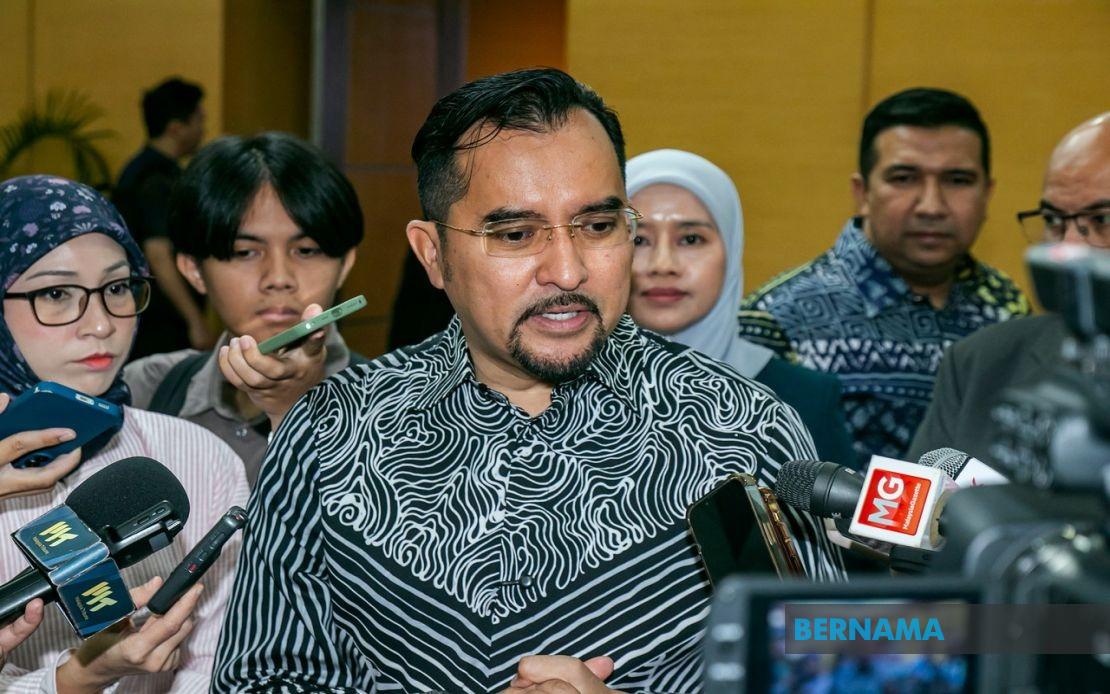
The Majlis Amanah Rakyat, one of Malaysia's key institutions supporting Bumiputera development, is advancing plans to overhaul its legislative framework through the proposed MARA Bill 2026. The measure, now finalised after months of drafting, is scheduled for parliamentary tabling this November, marking a significant modernisation of the agency's operational and governance structure that has remained largely unchanged since 1966.
Datuk Asyraf Wajdi Dusuki, the organisation's chairman, emphasised during a recent speech that the new Bill represents a substantial shift towards international best practices in corporate governance. According to his remarks, approximately 80 per cent of the Bill's provisions centre on establishing robust governance frameworks aligned with recognised global standards. This represents a deliberate prioritisation of institutional integrity over administrative convenience, reflecting growing recognition within Malaysia's public sector of the need for contemporary oversight mechanisms.
A cornerstone of the proposed legislation involves a fundamental restructuring of the chairman's role and authority. Under the existing MARA Act 1966, the chairman wielded considerable administrative discretion alongside policy-setting responsibilities. The new Bill explicitly reduces these powers, constraining the chairman's function to board leadership and policy determination while removing involvement in day-to-day administrative operations. This architectural change creates what governance experts would recognise as a clearer separation between executive decision-making and operational management, reducing potential bottlenecks and limiting opportunities for concentrated power abuse.
The chairman framed this reduction in personal authority as institutional rather than individual, articulating a vision that transcends his tenure. His stated objective is to establish governance foundations sufficiently robust to endure beyond his administration, creating systemic safeguards against corruption, misappropriation, and administrative irregularities. This perspective reflects awareness that strong institutions depend not on individual integrity but on structural constraints that function regardless of who occupies leadership positions.
The Cabinet has already granted policy approval for the Bill's key provisions, suggesting ministerial consensus on the necessity of these reforms. This early approval stage indicates that the legislative pathway faces no fundamental ideological obstruction, though parliamentary passage will ultimately determine the timeline and any modifications to the proposed framework. The November tabling target appears realistic given this approval status, positioning the Bill for potential enactment within the current parliamentary session.
The rationale for updating the 1966 legislation extends beyond addressing specific recent controversies, though MARA has experienced governance challenges that prompted scrutiny. The chairman explicitly acknowledged that governance standards and corporate requirements have evolved substantially over six decades. The institutional environment of the 1960s, when MARA's original legislation was crafted, differed fundamentally from contemporary expectations regarding transparency, accountability, and risk management. A framework adequate for mid-twentieth century administrative practices proves inadequate for modern institutional expectations.
Specific concerns driving the Bill include preventing abuse of power, eliminating governance weaknesses, combating misappropriation and fraud, addressing irregularities and resource leakages, and mitigating risks that could damage the institution's capacity to fulfil its Bumiputera development mandate. These provisions suggest that prior incidents, whether specifically detailed or generally addressed, highlighted systemic vulnerabilities requiring legislative attention rather than merely procedural adjustments.
The significance of this reform extends beyond MARA itself, potentially signalling broader governmental movement toward modernised governance standards across federal agencies and statutory bodies. If the MARA Bill 2026 succeeds in establishing effective institutional safeguards, it may provide a template for comparable legislation affecting other development-focused agencies and government-linked entities. This demonstration effect could accelerate governance upgrades across Malaysia's public institutional landscape.
For Malaysian stakeholders invested in Bumiputera development outcomes, the governance improvements should theoretically enhance institutional effectiveness and resource deployment. Stronger oversight mechanisms and clearer role delineation typically reduce administrative friction and improve decision-making velocity by establishing transparent procedures. Conversely, Bumiputera beneficiaries depend on MARA's operational capacity, necessitating careful implementation of new governance structures to avoid disrupting programme delivery during transition periods.
Regional observers of Malaysian institutional development will likely monitor this legislative reform as an indicator of Malaysia's commitment to strengthening governance standards in development agencies. Southeast Asian governments increasingly face pressure to demonstrate transparency and institutional effectiveness, particularly when public resources support specific community development mandates. MARA's modernisation effort positions Malaysia within this regional trend toward enhanced accountability.
The chairman's emphasis that governance requirements will continue evolving beyond 2026 suggests recognition that legislative frameworks require periodic renewal rather than permanent establishment. This adaptive perspective contrasts with treating legislation as static governance solutions, acknowledging instead that institutional best practices themselves shift as economic conditions, technology, and societal expectations transform. This philosophy, if operationalised, would position MARA for continuous improvement rather than reliance on periodic comprehensive overhauls.
Parliamentary consideration of the Bill will provide opportunities for scrutiny of specific provisions and potentially constructive amendments. Legislators from various constituencies will evaluate whether the proposed powers reallocation genuinely enhances governance or merely redistributes authority among different institutional actors. This democratic review process, while potentially extending the enactment timeline, should strengthen the Bill's legitimacy and operational viability.

