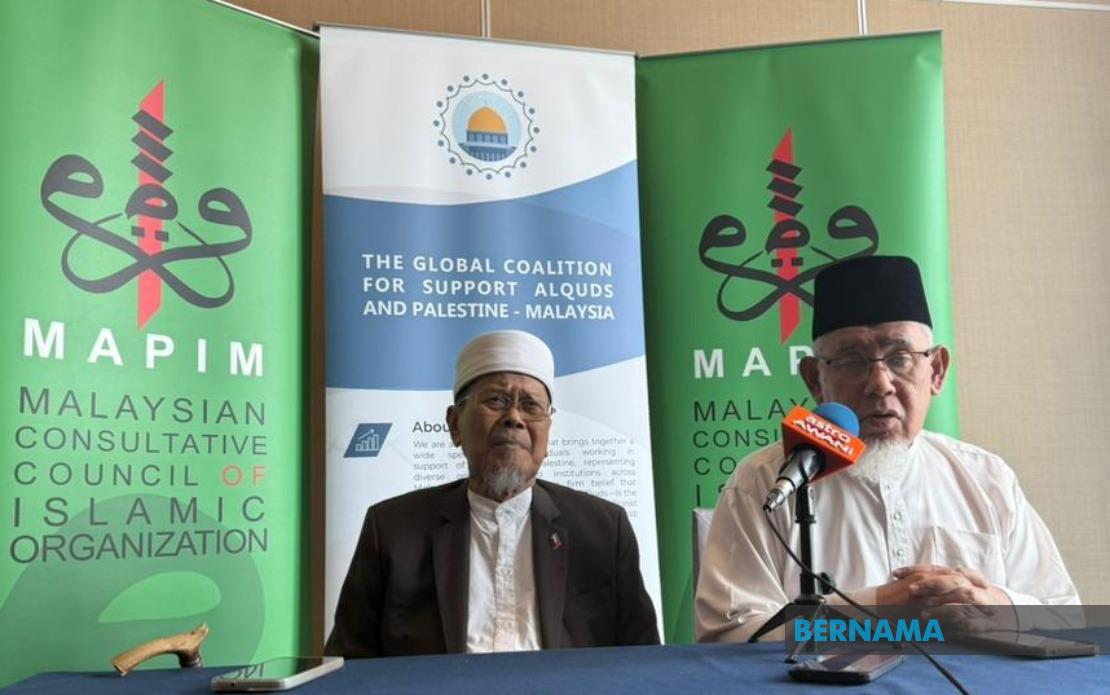
A major humanitarian intervention is underway as the Malaysian Consultative Council of Islamic Organisations (MAPIM) mobilises resources to help Nepal recover from one of the region's most devastating natural disasters in recent memory. The organisation has committed to deploying a rescue and relief mission beginning September 5, targeting areas ravaged by catastrophic flash floods that have left hundreds dead and many more unaccounted for across the Himalayan nation.
On August 26, a sudden avalanche triggered a torrent of water, rock, and ice that tore through valleys and mountain communities in Nepal's northern reaches. The disaster claimed at least 469 lives and left more than 1,400 individuals missing, including nearly 540 foreign nationals caught in the disaster zone. The scale of destruction proved particularly severe along popular trekking routes connecting Kathmandu to Lhasa in Tibet, areas typically bustling with international tourism and seasonal mountaineering expeditions. The violence of the floodwaters swept through multiple villages simultaneously, destroying homes, bridges, and essential infrastructure within minutes.
Malaysia itself faces urgent concerns following the disaster. According to the Ministry of Foreign Affairs, fifty-seven Malaysian citizens remain unaccounted for as of late August 27, based on reports filed by their families, friends, and employers. This figure underscores how many Malaysians maintain active engagement in Nepal through tourism, business, religious studies, and trekking expeditions. The families of the missing await any information as rescue operations continue in challenging mountain terrain.
MAPIM president Mohd Azmi Abdul Hamid outlined the organisation's immediate strategy during a press conference held in Ipoh. The initial deployment will comprise four MAPIM volunteers tasked with assessing conditions across affected zones and establishing coordination channels for incoming assistance. Rather than operating unilaterally, MAPIM has prioritised partnership with other organisations, recognising that coordinated action multiplies impact. The mission framework incorporates collaboration with MyCare, an established humanitarian organisation, alongside two local Nepalese NGOs positioned to provide on-ground knowledge and cultural understanding essential for effective operations.
MAPIM's leadership has already initiated diplomatic groundwork by contacting the Embassy of Nepal in Malaysia to gather preliminary intelligence about the disaster's scope and humanitarian priorities. This bureaucratic groundwork, though less visible than field operations, proves critical for securing necessary permissions, understanding security conditions, and identifying distribution points where aid can reach vulnerable populations most efficiently. Such preparation reflects operational maturity within Malaysian humanitarian circles.
The assessment of immediate needs reveals a hierarchy of urgency that will guide resource allocation decisions. Medical supplies represent the paramount concern, given that hospitals and clinics throughout affected regions face overwhelming patient loads whilst battling shortages of antibiotics, surgical equipment, and emergency medications. Following medical intervention, basic food packages constitute the second priority, targeting communities where supply chains have collapsed and existing food stocks have been destroyed by floodwaters. This dual-focus approach addresses both acute medical trauma and the longer-term challenge of preventing malnutrition during the chaotic weeks following disaster.
MAPIM's engagement signals Malaysian civil society's commitment to transnational humanitarian responsibility, particularly toward neighbouring nations within South Asia's disaster-prone regions. Nepal's vulnerability to climate-triggered disasters stems from its geographical position along the Himalayan chain, where avalanches, glacial lake outbursts, and monsoon-amplified flooding represent recurring threats. Malaysian organisations' willingness to mobilise personnel and resources for foreign relief operations reflects accumulated experience from managing domestic disasters whilst recognising shared regional vulnerability to environmental hazards.
The timing of MAPIM's announcement—just days after the disaster—demonstrates the organisation's capacity for rapid mobilisation. Effective humanitarian response depends on moving supplies and personnel quickly whilst access routes remain open and before secondary consequences such as disease outbreaks complicate relief efforts. The compressed timeline between announcement and deployment indicates that MAPIM has already begun procurement procedures for medical equipment and food items, likely drawing from existing networks with Malaysian suppliers capable of rapid large-volume provision.
Mohd Azmi emphasised that details surrounding the mission's logistics, funding sources, and specific operational parameters would be formally presented to Prime Minister Datuk Seri Anwar Ibrahim. This governmental coordination ensures that Malaysia's foreign policy apparatus can provide diplomatic support, potential consular assistance for missing nationals, and alignment with official government relief channels. Such integration between civil society and state institutions enhances operational legitimacy both within Nepal and amongst Malaysia's international partners.
The humanitarian mission articulates a broader message about Malaysian solidarity with disaster-affected populations across Asia. Rather than treating the Nepal catastrophe as a distant tragedy, MAPIM's initiative positions it as a shared regional challenge demanding collective response. This framing resonates particularly within Muslim communities in Malaysia, many of whom maintain cultural and religious ties to Nepal's small Islamic population, as well as among Malaysians with personal connections to affected areas.
Looking forward, the success of this mission may establish templates for future Malaysian humanitarian interventions in South Asia. Nepal's climate vulnerability guarantees that similar disasters will recur, and experience gained from current operations could inform more effective responses to future crises. Regional coordination mechanisms linking Malaysian NGOs with Nepalese counterparts could mature into enduring partnerships that strengthen disaster resilience across both nations.
For Malaysian authorities, the mission also provides opportunity to gather information about the welfare and location of missing nationals. MAPIM's ground presence and relationships with local contacts might yield intelligence that assists consular officials in reuniting Malaysians with their families. This humanitarian work thus serves dual purposes—alleviating suffering whilst advancing Malaysia's own citizens' interests during an international crisis.

