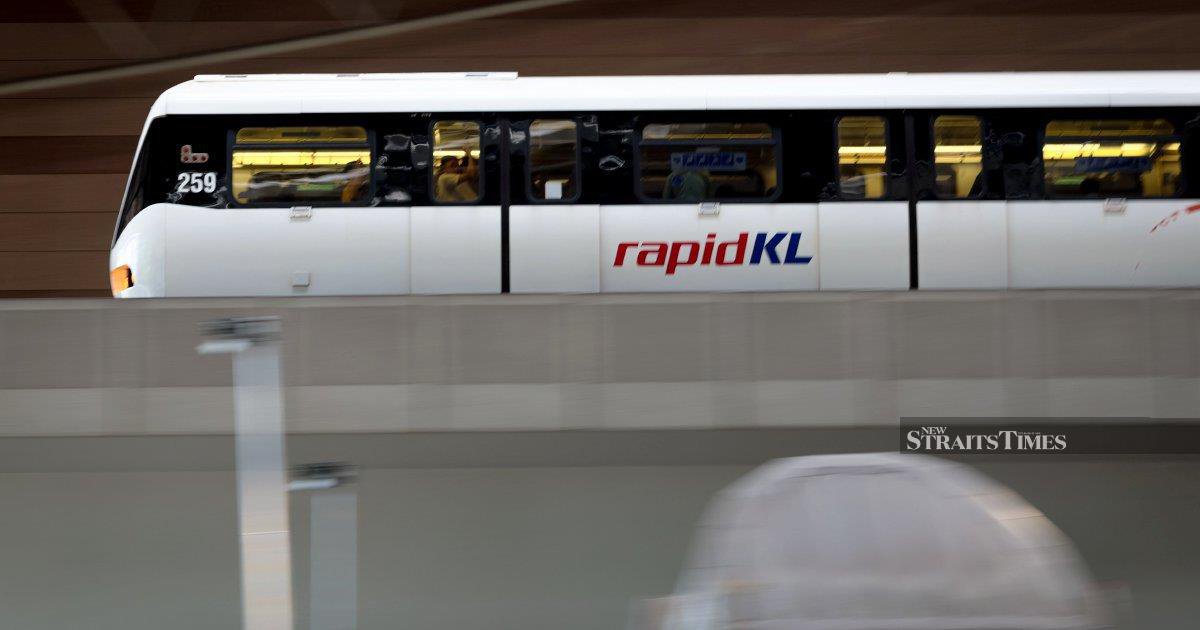
A trespasser caused significant disruptions to commuter rail services on Rapid KL's Shah Alam Line after gaining unauthorised access to the active railway tracks at Jalan Meru Station early this morning. The incident prompted a swift police response, resulting in the man's arrest and a temporary suspension of train movements through the affected corridor.
The intrusion highlighted ongoing security vulnerabilities at urban transit hubs across the Klang Valley, where unauthorised entry to restricted railway zones remains a persistent challenge for operators. Jalan Meru Station, a key interchange within the Shah Alam Line network, serves thousands of commuters daily connecting suburbs across the greater Kuala Lumpur metropolitan area. The timing of the breach during morning hours amplified its operational impact, as the network was ramping up services to accommodate the surge in peak-hour travellers.
Rapid KL's Shah Alam Line, one of the regional transport network's busier corridors, depends on uninterrupted track access for safe and efficient operations. When individuals breach safety cordons or ventilate onto live track sections, operators must immediately halt departures to prevent potential accidents involving both passengers and infrastructure. The resulting service suspension rippled across multiple stations, forcing commuters to seek alternative transport routes or face significant journey delays.
This incident underscores the importance of robust perimeter security and public awareness campaigns at light rail stations. Many commuters remain unaware of the lethal risks associated with railway trespassing, including electrocution from overhead lines and collision hazards from moving trains that cannot stop instantly. Rapid KL and related authorities have previously emphasised that restricted zones are demarcated for passenger safety rather than arbitrary convenience.
The Shah Alam Line has faced previous operational disruptions from various causes, ranging from technical faults to passenger-related incidents. Each unscheduled halt extracts a cumulative cost on the city's transport ecosystem, adding minutes to thousands of individual journeys and potentially discouraging transit usage among commuters seeking reliability. For a transit operator already navigating infrastructure maintenance demands and rising passenger expectations, security breaches represent a preventable drain on operational resources.
Authorities have not yet released detailed information regarding the arrested individual's identity, motive, or how he penetrated station security. Investigators will likely examine surveillance footage and interview station staff to determine whether the trespass was deliberate, accidental, or symptomatic of broader security gaps requiring systematic remediation. Such analysis often reveals whether incidents reflect individual lapses or systemic vulnerabilities affecting multiple stations.
The broader context of railway safety in Malaysia involves ongoing tension between maintaining accessible, passenger-friendly infrastructure and implementing security measures rigorous enough to deter or prevent unauthorised track access. Station design, staffing levels, and surveillance technology all factor into this balance. Rapid KL must continuously evaluate whether current safeguards adequately protect commuters while remaining cost-effective and practical to implement across its extensive network.
For commuters dependent on the Shah Alam Line, such disruptions carry tangible consequences extending beyond the immediate service suspension. Missing a single train during peak hours can force passengers to wait significantly longer for the next departure, compressing schedules and potentially creating cascading delays throughout their day. In a metropolitan area already grappling with congestion challenges, transit reliability represents a cornerstone of effective urban mobility and economic productivity.
This incident arrives amid broader discussions within Malaysian transport circles about enhancing public education regarding railway safety protocols. While enforcement and physical security improvements remain essential, cultivating a cultural understanding of track safety among the general public—particularly younger populations who may not appreciate electrocution risks or train stopping distances—could reduce preventable incidents. Campaigns emphasising that railway trespassing endangers not only the individual but also passengers and staff have shown measurable effectiveness in comparable transit systems regionally.
The arrest and subsequent investigation will likely inform Rapid KL's internal review of security protocols at Jalan Meru Station and potentially across other Shah Alam Line stations displaying similar vulnerabilities. Enhanced monitoring, staff training, or physical barrier improvements may emerge from post-incident assessments. Such measures, while occasionally imposing modest inconvenience on legitimate passengers, ultimately serve the broader transit user population by preserving service reliability and safety margins.
As the investigation proceeds, the incident serves as a reminder of the collective responsibility stakeholders bear in maintaining functional urban transit systems. Operators must invest in security and maintenance; authorities must enforce laws deterring trespassing; and commuters must respect safety protocols and reporting mechanisms. The Shah Alam Line's continued role as a vital transportation artery for the Klang Valley depends on this multi-faceted commitment to operational integrity and passenger safety.

