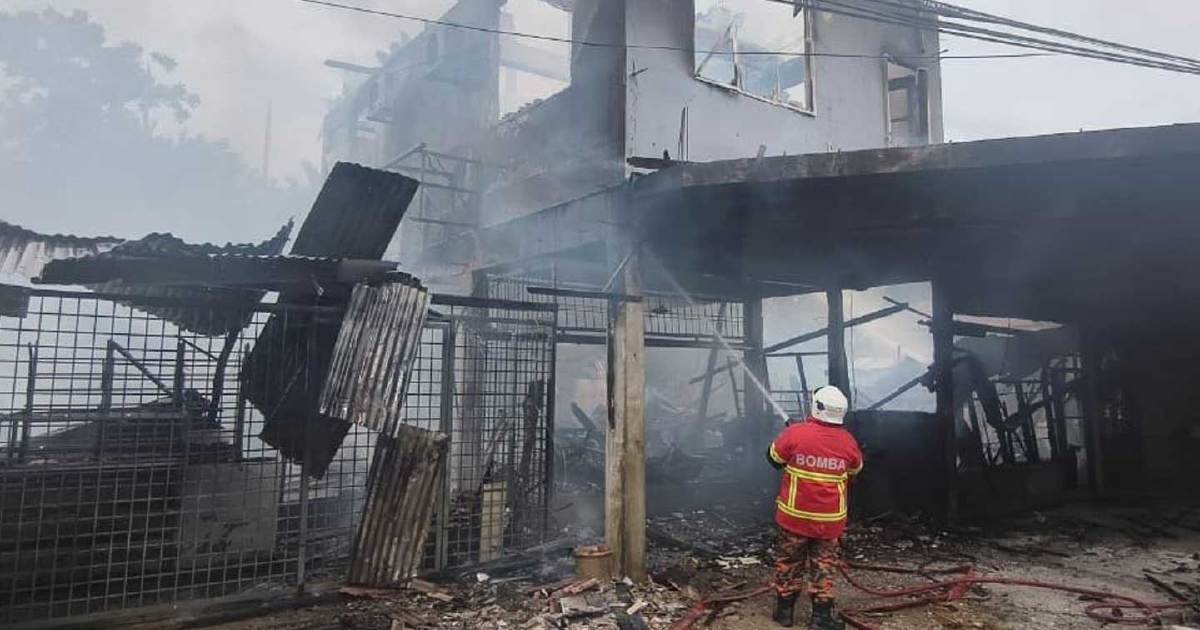
Police in Jitra have secured a five-day remand order for a 36-year-old man suspected of deliberately setting fire to his mother's home in Kampung Sungai Baru. The arrest marks the latest in a series of family-related incidents that have drawn renewed scrutiny on domestic conflicts and violence prevention in Malaysia's northern regions.
The suspect's detention follows the discovery of the fire at the residential property, which triggered an immediate response from local fire services and law enforcement. Investigators have been gathering evidence at the scene and interviewing witnesses to establish a clear timeline of events leading up to the alleged incident. The five-day remand period will allow authorities to conduct thorough questioning and examine any material evidence collected during the initial investigations.
Incidents involving deliberate property destruction within family settings carry significant legal weight in Malaysia's justice system. Such cases often point to underlying tensions, disputes over inheritance, financial disagreements, or longstanding interpersonal conflicts that have escalated beyond the point of reconciliation. The fact that the alleged victim is the suspect's own mother underscores the tragic nature of family relationships breaking down to this degree, a troubling pattern that social welfare agencies have documented with increasing frequency.
The Jitra district, located in Kedah, has seen its share of crime-related incidents in recent years. Local community leaders and authorities have emphasized the importance of early intervention programmes and family counselling services to prevent such conflicts from reaching violent or destructive extremes. Kampung Sungai Baru, like many rural and semi-urban settlements in northern Peninsular Malaysia, has benefited from increased police presence and community watch initiatives aimed at deterring criminal activity.
Arson, particularly when directed at a residential property with occupants inside, is treated as a serious criminal offence under Malaysian law. Depending on circumstances and evidence presented during trial, convictions can carry substantial prison sentences. Aggravating factors such as the relationship between perpetrator and victim, the potential for loss of life, and the premeditated nature of the act all influence sentencing considerations. Prosecutors will need to establish clear motive and method to secure a conviction.
The remand period serves multiple investigative purposes. Officers will conduct detailed interviews with the suspect to establish his account of events, cross-reference his statements with witness testimonies, and potentially uncover the catalyst for such drastic action. Forensic examination of the scene, including accelerant residue analysis and burn pattern assessment, will help investigators determine how the fire was started and whether it was indeed deliberately set. This technical evidence forms the cornerstone of arson prosecutions.
Family disputes escalating to property destruction and violence represent a persistent challenge for Malaysia's social and legal systems. Mental health professionals and counsellors working in criminal justice settings have noted that many perpetrators experience psychological distress, anger management issues, or substance abuse problems that contribute to their criminal behaviour. Early identification and intervention through community health programmes could potentially prevent such tragedies from occurring.
The broader implications of this incident extend beyond the immediate legal proceedings. It highlights the vulnerability of elderly residents living with adult children and the need for family mediation services accessible to Malaysians experiencing domestic discord. Kedah's state government and local authorities have been gradually expanding social support infrastructure, though advocates argue that more resources should be directed toward conflict resolution and mental health services in rural areas.
Neighbours and community members in Kampung Sungai Baru will likely face a period of heightened awareness following such a serious incident in their midst. Rural communities often maintain close-knit social bonds, and the alleged crime may prompt discussions about warning signs that neighbours should recognize and report to authorities. Social cohesion and informal community oversight can serve as important deterrents to crime, complementing formal police patrols and surveillance systems.
As the investigation progresses, the prosecution will be preparing its case for submission to the courts. The remand period also allows time for further inquiries with potential witnesses, including family members, neighbours, and emergency responders who attended the scene. Their testimonies will be crucial in establishing the sequence of events and corroborating forensic findings.
The outcome of this case will add to the body of jurisprudence surrounding family-related violent crimes in Malaysia. Courts must balance accountability and punishment with opportunities for rehabilitation, particularly when mental health or social factors have contributed to the alleged offence. For the suspect's mother and extended family, the emotional and practical consequences of this incident will likely extend far beyond the legal resolution, affecting family relationships and property ownership for years to come.

