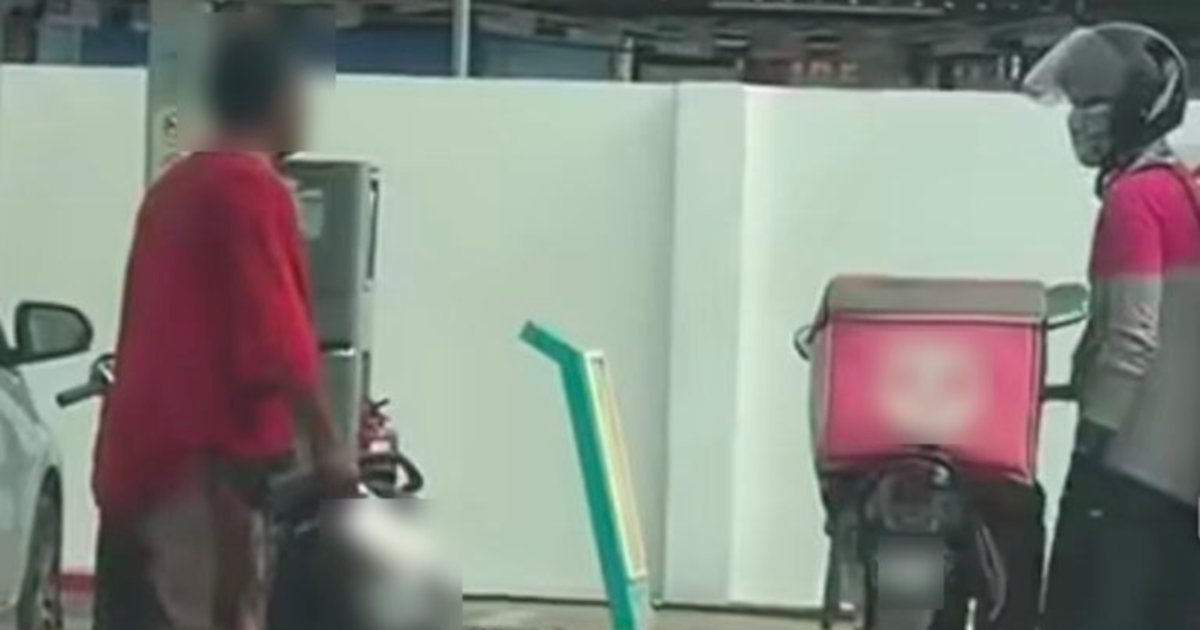
Police in Kuala Terengganu have arrested a man following an incident in which he allegedly displayed aggressive behaviour and brandished a meat cleaver at a ride-hailing worker at a petrol station on Jalan Pasir Panjang yesterday afternoon. The arrest marks another concerning case of weapon-related intimidation at publicly accessible roadside facilities in the state.
The incident unfolded at a busy refueling location, a setting that typically attracts diverse traffic including commuters, delivery personnel, and service workers. The alleged confrontation between the suspect and the p-hailing driver highlights the vulnerability of gig economy workers who operate across multiple locations and often interact with strangers in isolated or semi-public spaces. Such workers frequently have limited means of immediate assistance or security measures when facing threatening situations.
Rise in weapon-related incidents at petrol stations has become a growing concern across Malaysia's urban and semi-urban areas. These facilities operate throughout the day and night, drawing large volumes of visitors and creating environments where aggressive individuals may feel emboldened to commit acts of intimidation. The presence of a weapon, particularly one as visibly threatening as a meat cleaver, escalates the severity of such incidents from simple verbal altercations to potential grievous harm.
Gig economy workers in Malaysia, including ride-hailing and delivery personnel, operate within an increasingly challenging occupational environment. While the sector has grown substantially over recent years, workers remain exposed to various risks ranging from traffic accidents to personal security threats. Incidents such as this underscore the need for comprehensive safety protocols within the ride-hailing industry, including real-time location sharing systems, emergency contact procedures, and adequate insurance coverage for workers injured during threatening encounters.
The investigation into the incident remains ongoing, with police working to establish the exact circumstances that led to the confrontation. Determining whether the threat emerged from a dispute over a transaction, a driving incident, or an unrelated personal conflict will be crucial in understanding the broader context of the case. Such details also help authorities identify patterns in workplace violence that might inform future prevention strategies.
Jalan Pasir Panjang serves as a significant traffic corridor in Kuala Terengganu, facilitating movement between residential areas and commercial districts. The location of the incident at a petrol station on this route places the matter within public consciousness, as many residents may frequent the same facility during their daily routines. Community awareness of such incidents often influences perceptions of personal safety and can prompt discussions about security measures at commonly visited locations.
Weapon possession laws in Malaysia are strictly regulated, and brandishing weapons with intent to threaten constitutes a serious criminal offence under the Penal Code. The severity of charges the suspect faces will depend on prosecutorial assessment of his actions, the threat level posed, and any prior criminal history. Conviction could result in substantial penalties including imprisonment and fines, reflecting the seriousness with which Malaysian courts treat weapon-related offences, particularly those occurring in public settings.
The petrol station environment presents unique security challenges for both permanent staff and transient workers. Unlike enclosed commercial establishments, these facilities feature open layouts with multiple entry and exit points, making it difficult to control who enters or monitor all areas simultaneously. The evening timing of this particular incident suggests reduced visibility and potentially fewer witnesses, factors that may have influenced the suspect's willingness to display weapons openly.
From the perspective of ride-hailing companies operating in Malaysia, such incidents underscore the importance of driver safety initiatives and passenger screening protocols. Many platforms have implemented systems allowing drivers to rate passengers and report problematic interactions, creating a feedback mechanism that protects future workers from identified threats. However, enforcement of consequences for reported abusive behaviour and coordination with law enforcement remains inconsistent across different platforms.
The arrest of the suspect represents a positive outcome in terms of law enforcement response, demonstrating police commitment to investigating weapon-related threats in public spaces. However, broader systemic improvements addressing underlying causes of public aggression—including mental health services, conflict resolution programmes, and workplace safety standards—remain essential for reducing the frequency and severity of such incidents across Malaysian communities.
As Terengganu continues developing its commercial infrastructure and gig economy participation expands, stakeholder engagement involving local authorities, business owners, ride-hailing companies, and community representatives will be vital. Collaborative approaches to safety can include improved lighting at petrol stations, security camera installations, staff training in de-escalation techniques, and clear reporting channels for incidents involving customer aggression or threats.

