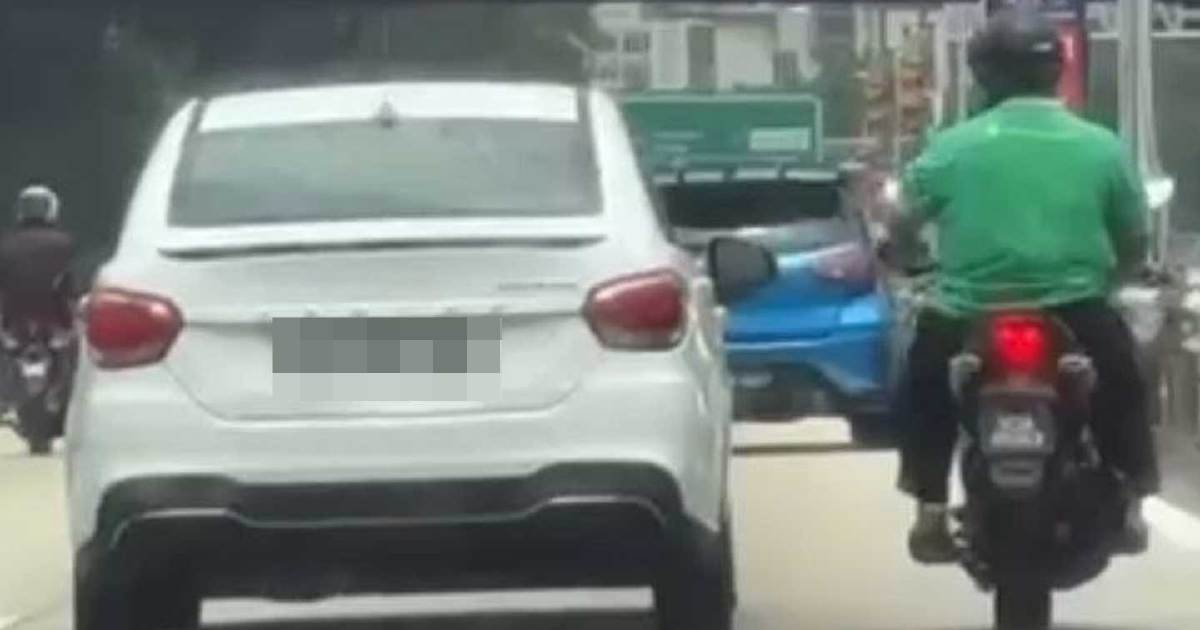
A technician in his 30s has been arrested by police after an incident on the Kuala Lumpur-Seremban Expressway near Sungai Besi, where he allegedly threw a stone at another vehicle during a road dispute. The arrest underscores growing concerns about aggressive driver behaviour on Malaysia's major expressway networks, where tensions between motorists frequently escalate into dangerous confrontations.
The incident occurred when what began as a routine disagreement between drivers evolved into a physical altercation that put other road users at risk. Such conflicts on busy highways are particularly concerning because they can distract drivers, cause sudden braking, and potentially trigger multi-vehicle collisions that endanger countless commuters. The expressway, which connects the capital to Seremban in Negeri Sembilan, carries substantial daily traffic from both commuters and commercial vehicles, making safety a paramount concern for authorities.
The arrest represents police efforts to address road rage incidents through swift enforcement. Malaysia's Royal Police Force has intensified its response to aggressive driving behaviours in recent years, recognising that such actions pose serious risks to public safety. The seriousness with which authorities treated this particular case is evident from the speed of apprehension, signalling a commitment to deterring similar conduct on the nation's arterial routes.
Video evidence played a crucial role in identifying and apprehending the suspect, highlighting how surveillance and eyewitness recordings increasingly aid law enforcement in prosecuting road-related offences. The availability of dashcam footage and mobile phone recordings has transformed the investigative landscape, allowing police to document infractions with clarity and precision. This technological advantage has become invaluable in cases where physical evidence might otherwise be difficult to establish.
Road disputes have become a recurring problem on Malaysian expressways, frequently stemming from minor traffic infractions, perceived discourtesy, or simple miscommunication between drivers. What distinguishes this case is the escalation to actual violence, where a driver weaponised a roadside object against another motorist's vehicle. Such behaviour demonstrates an alarming lack of impulse control and situational awareness, with potentially fatal consequences had the stone struck a windscreen or caused the targeted vehicle to lose control at highway speeds.
The Kuala Lumpur-Seremban Expressway is one of the country's critical transport arteries, facilitating commerce, business travel, and daily commuting between the capital and surrounding regions. Incidents of road rage on this route have particular economic and social implications, as they undermine public confidence in highway safety and may encourage defensive or aggressive driving patterns among other motorists who witness such events.
Police investigations into the incident examined circumstances surrounding the initial dispute, the sequence of events that led to the stone-throwing, and whether any prior interactions between the parties contributed to the escalation. Understanding the full context of road rage incidents is essential for developing targeted public education campaigns that address root causes of highway aggression rather than merely responding to individual incidents.
The arrest also raises questions about driver education and impulse management on Malaysia's roads. While formal driving instruction covers traffic rules and vehicle operation, psychological resilience and conflict de-escalation training remain largely absent from licensing requirements. Countries with lower road rage incident rates often implement comprehensive driver training programmes that emphasise emotional regulation and alternative responses to traffic frustrations.
Legal consequences for this type of offence can include charges under the Penal Code related to mischief, criminal intimidation, or endangerment of life. The severity of charges will likely depend on whether the stone caused damage to the vehicle and whether any injuries resulted from the incident. Such prosecutions serve a deterrent function, signalling to the driving public that violent behaviour on roadways will result in serious legal consequences.
Motoring advocacy groups and safety organisations have increasingly urged Malaysian drivers to adopt defensive driving practices and to report aggressive behaviour to authorities rather than engaging in confrontation. The proliferation of smartphone cameras and dashcams means that road rage incidents are more likely to be documented and shared, potentially adding public embarrassment to legal consequences for perpetrators.
This incident reflects broader trends across Southeast Asia concerning road safety and driver behaviour in rapidly urbanising regions with growing vehicle populations. As traffic volumes increase on major expressways, the psychological stress experienced by drivers rises correspondingly, potentially contributing to more frequent conflicts. Addressing this challenge requires coordinated efforts involving law enforcement, traffic management authorities, and public education initiatives.
Motor vehicle associations and insurance companies have begun collaborating with authorities to promote road safety culture change among Malaysian drivers. These initiatives emphasise that brief traffic disagreements are not worth the legal, financial, or personal risks associated with confrontation on highways. The arrest of this technician serves as a cautionary example of how quickly a momentary dispute can result in criminal charges and substantial consequences for one's employment, family, and social standing.
Looking ahead, transport officials and law enforcement agencies continue developing strategies to reduce aggressive driving incidents on expressways, including improved traffic management, increased police presence during peak periods, and technological solutions such as real-time congestion monitoring. Creating a culture of patience and courtesy on Malaysia's highways remains an ongoing challenge requiring commitment from both authorities and the driving public.

