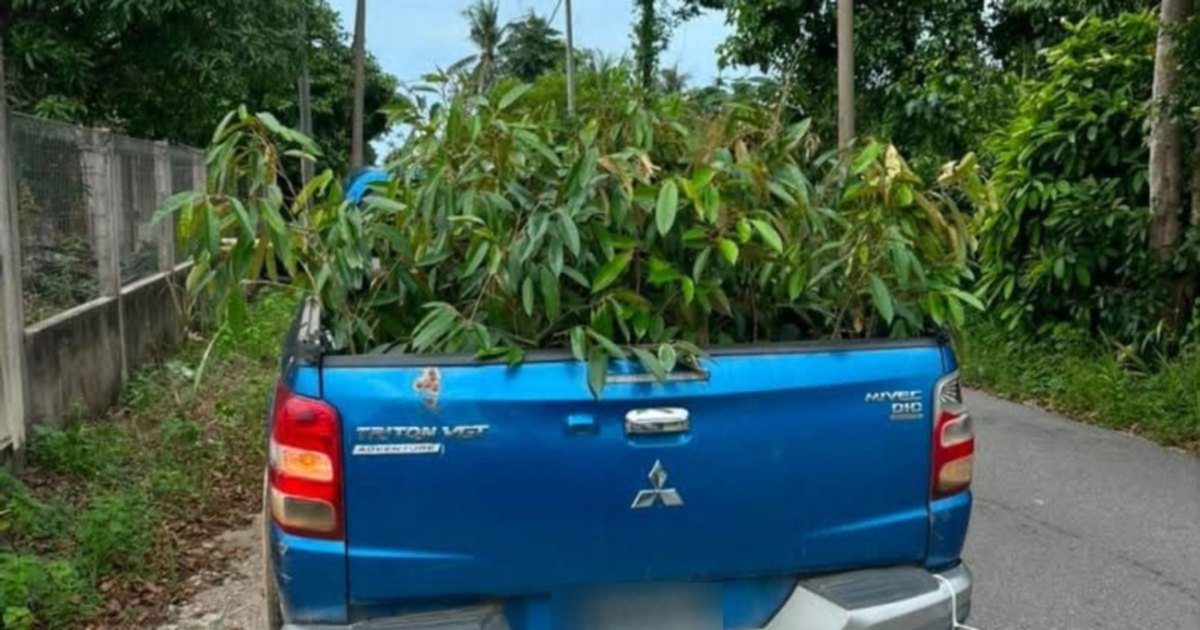
A 55-year-old man has been detained in Tumpat after the General Operations Force successfully intercepted 52 durian saplings that are believed to have been smuggled across the border from Thailand. The operation, which took place yesterday, marks another attempt by authorities to clamp down on the illicit movement of plant material and agricultural goods across Malaysian borders.
The seizure represents a significant enforcement action in an area known for agricultural smuggling activities. Tumpat, located in the northern state of Kelantan near the Thai border, has long served as a crossing point for various contraband items. The vigilance demonstrated by the General Operations Force reflects increasing efforts to monitor and prevent the unauthorised movement of goods that could pose biosecurity risks to the country's farming sector.
Durian saplings fall under controlled agricultural products in Malaysia, and their importation is subject to strict quarantine and phytosanitary requirements. These regulations exist to protect local durian industries from potential pests and diseases that could be introduced through uncontrolled plant movements. The smuggling of such saplings circumvents these safety protocols and undermines legitimate farmers who comply with proper import procedures.
The arrest of the individual connected to this operation signals the authorities' commitment to enforcing agricultural trade laws. Such seizures require coordination between border security personnel and agricultural specialists who can identify plant species and assess their origins. The General Operations Force's capacity to detect and intercept plant material during routine operations demonstrates the integration of various enforcement mechanisms at the border.
Thailand remains a significant source of various agricultural goods for regional markets, but the cross-border movement of such items must occur through legitimate channels. Proper importation procedures ensure that plants entering Malaysia meet health and safety standards while also generating appropriate tax revenue and protecting domestic farming interests. The illegal route bypasses these safeguards entirely.
The implications for Malaysia's agricultural sector are noteworthy. Durian cultivation is an economically significant activity in several Malaysian states, particularly in the east coast and southern regions. Local durian farmers invest substantially in developing superior varieties and maintaining orchard health. Uncontrolled importation of foreign saplings could introduce competing products to the market while simultaneously risking the introduction of plant diseases or pests that might affect established orchards.
Biosecurity concerns associated with smuggled plant material extend beyond economic considerations. Pests and pathogens hitchhiking on imported saplings could establish themselves in the local ecosystem, potentially affecting not only durians but other crops in the region. Malaysia's quarantine authorities maintain strict standards specifically to prevent such scenarios from developing.
The case also reflects broader patterns of agricultural smuggling in Southeast Asia. Countries throughout the region face ongoing challenges in controlling the illicit movement of seeds, saplings, and plant materials across porous borders. The economic incentives for such smuggling remain substantial, as avoiding official import duties and obtaining products outside regulated channels can generate significant profits for those willing to take the legal risks.
Border security operations targeting agricultural contraband require sustained investment in personnel training and equipment. Officers must be able to identify plant species, understand relevant import regulations, and process cases appropriately. The success of this particular operation suggests that these capabilities are functioning effectively in Kelantan, though the continuous nature of smuggling attempts indicates that enforcement pressures must remain consistent.
The arrest follows a pattern of similar operations that have netted various agricultural products at Malaysian borders over recent months. Authorities have simultaneously been targeting other smuggled items ranging from livestock to exotic plants, reflecting a comprehensive approach to border security that extends beyond traditional contraband.
For stakeholders in Malaysia's durian industry, including farmers, exporters, and agricultural organisations, such enforcement actions provide some assurance that domestic market interests are being protected. However, the persistence of smuggling attempts suggests that economic disparities and regulatory differences between Malaysia and neighbouring countries will continue to create incentives for illegal trade.
Moving forward, strengthening cooperation between Malaysian and Thai authorities on agricultural trade matters could help address the supply-side drivers of smuggling. Formalising trade channels and reducing barriers to legitimate commerce may paradoxically make enforcement of prohibitions on truly problematic items more effective. Meanwhile, continued vigilance at borders remains essential to maintaining the integrity of Malaysia's agricultural quarantine systems and protecting the viability of local farming enterprises.

