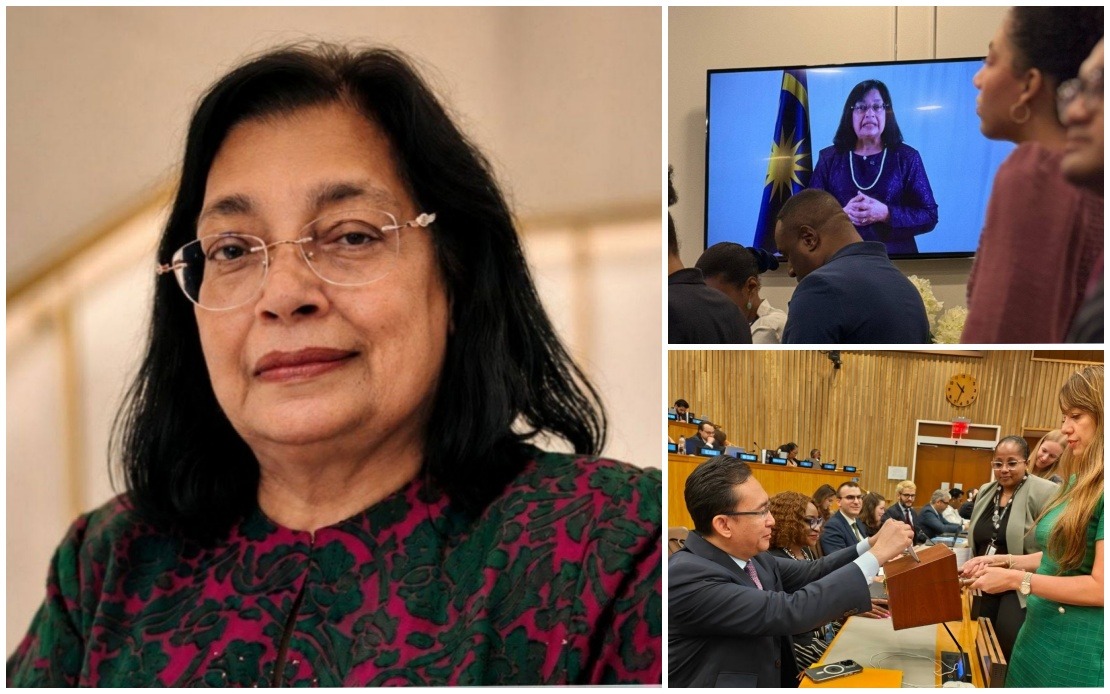
Malaysia has achieved significant recognition on the international stage following the election of Datuk Yasmeen Muhamad Shariff to the United Nations Committee on the Rights of the Child for the 2027–2031 term. The election took place during the 21st Meeting of States Parties to the Convention on the Rights of the Child at the UN Headquarters in New York on Tuesday, with Yasmeen capturing 136 votes from the 189 States Parties participating in the ballot—a commanding endorsement that positioned her as the top vote-getter among all candidates standing for election.
This appointment represents a remarkable reaffirmation of international confidence in Malaysian expertise and commitment to child welfare. Yasmeen's return to the committee marks only her second election to the body, having previously served during the 2013–2017 term. The strength of her electoral mandate reflects the high regard in which she is held by the global community of nations, many of whom recognise Malaysia's sustained push toward strengthening protections for vulnerable children.
As a committee member, Yasmeen will function as an independent expert acting in her personal capacity rather than as a representative of any government. This distinction underscores the committee's design as a body of individuals selected for their professional standing and dedication to child rights rather than as a forum for diplomatic maneuvering. Her role will encompass several critical functions, including overseeing how signatory nations fulfil their obligations under the Convention on the Rights of the Child, facilitating dialogue between the committee and individual states, and advocating for a framework that centres the rights and dignity of children in global policy discussions.
The Foreign Ministry's characterisation of this result as reflecting "confidence and trust of the international community in her expertise and dedication" underscores how Malaysia views the election outcome. Beyond the immediate prestige of having a national selected for such a prominent role, the election signals international validation of Malaysia's approach to children's rights. The ministry emphasised that the appointment demonstrates broader recognition of Malaysia's efforts to translate its commitment to child welfare into concrete policy measures, legal protections, and targeted programmes designed to give every child the opportunity to fulfil their potential.
Malaysia's child rights framework has evolved considerably over recent years through legislative changes and institutional reforms. The Foreign Ministry's statement highlighting "inclusive policies, legal reforms and programmes" suggests that Malaysia has undertaken substantive work beyond rhetorical commitments. These developments matter significantly for a Southeast Asian nation positioning itself as a responsible voice on humanitarian issues within the region and globally. The successful election of a Malaysian candidate validates this positioning and creates diplomatic capital that can be leveraged in future international negotiations on child protection matters.
The Committee on the Rights of the Child functions as a monitoring body tasked with reviewing how nations implement the foundational Convention on the Rights of the Child, which Malaysia has ratified. The convention establishes core principles including the best interests of the child, non-discrimination, the right to life and development, and the duty to listen to children's views. As global challenges—from armed conflict to climate change to digital exploitation—increasingly affect children's wellbeing, the committee's role has become more complex and consequential. Yasmeen's appointment positions her to shape how these emerging threats are understood and addressed.
The involvement of Malaysia's Ministry of Women, Family and Community Development in supporting Yasmeen's candidacy highlights how child rights issues cut across multiple government portfolios in Malaysia. The ministry's cooperation in the nomination process signals that Malaysia's approach to child welfare involves coordinated effort across different departments and agencies. This institutional coordination matters when implementing international recommendations and ensuring that Malaysia's domestic policies align with global best practices in child protection.
For Southeast Asia more broadly, Yasmeen's election strengthens the region's voice within a committee that sets international standards and norms. The region faces distinctive challenges—including transnational child trafficking, child labour in agriculture and manufacturing, and digital exploitation—that require nuanced understanding of local contexts. A committee member with deep familiarity with the Malaysian and broader Southeast Asian context can contribute valuable perspective to global discussions that might otherwise overlook regional complexities.
Malaysia's statement that it "remains committed to promoting and protecting children's rights in line with the principles and provisions of the convention" represents both an affirmation of current policy direction and an implicit commitment to future action. The election victory creates expectations both domestically and internationally. Civil society organisations and child advocacy groups will likely use the occasion to press the government for accelerated reforms in areas where Malaysia's child protection record still lags, such as addressing child marriage, improving juvenile justice systems, and strengthening safeguards against exploitation.
The ministry's observation that "in today's increasingly complex global landscape, the committee's role remains crucial in safeguarding the rights, dignity and future of all children" acknowledges that child welfare concerns have become intertwined with broader challenges from technological disruption to geopolitical instability. The committee will need to grapple with questions that barely existed during Yasmeen's first term—how to protect children's digital privacy, how to support child refugees and internally displaced persons, and how to ensure children have meaningful voice in climate action decisions that will profoundly shape their futures.
Yasmeen's election also comes at a moment when international cooperation on child protection faces pressure from competing geopolitical priorities. By endorsing a Malaysian candidate with such overwhelming support, the international community reaffirmed its commitment to transcending political divisions when child welfare is at stake. This consensus, while sometimes fragile, remains essential for advancing children's rights in a fractious global environment.