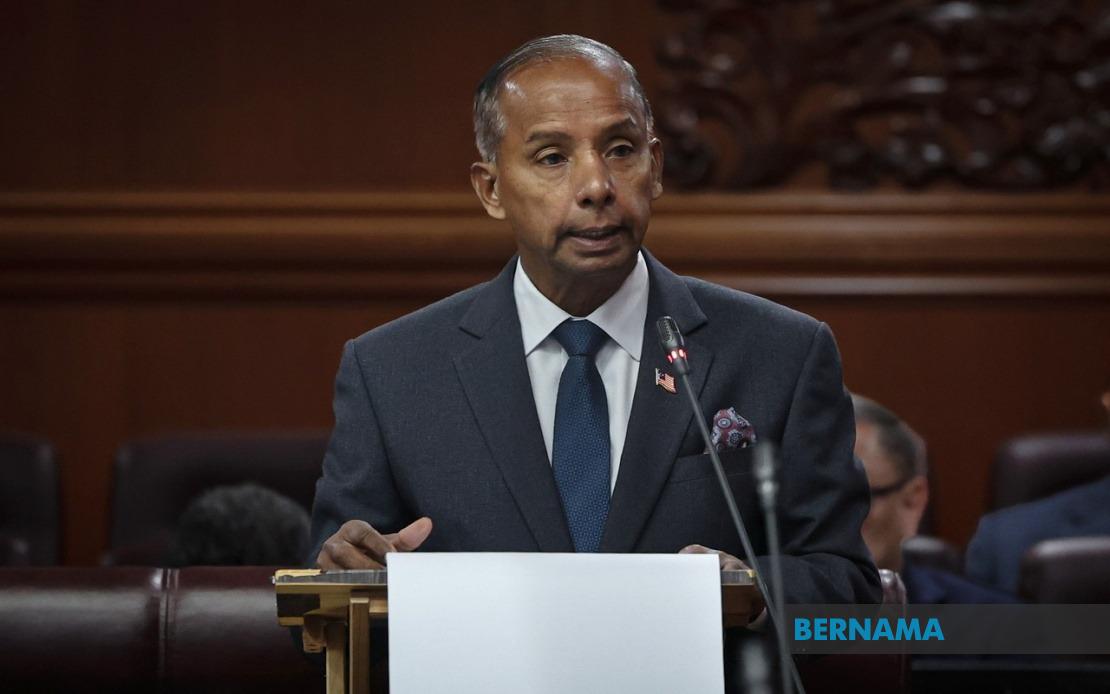
The Witness Protection (Amendment) Bill 2026, which has progressed through Malaysia's legislative process, introduces a significant departure from existing protections by establishing formal exit support for witnesses departing the government's protection scheme. The proposed legislation represents a recognition that the current Witness Protection Act 2009 creates an abrupt termination of state assistance once the Attorney General concludes that a participant no longer requires security measures, leaving individuals vulnerable during a critical transition period. Deputy Minister M. Kulasegaran, speaking in the Dewan Negara during the second reading on July 22, explained that the amendment introduces a clause permitting one-off assistance packages to help witnesses resettle into civilian life following their formal exit from the programme.
The practical scope of this assistance extends across several domains central to reintegration. Financial support may be allocated toward securing housing arrangements in locations chosen by the participant, meeting the immediate need for safe accommodation separate from the protection shelter environment. Additionally, the bill contemplates covering transportation expenses incurred when relocating from programme facilities to permanent residences, recognising that such moves often involve substantial logistical costs. Educational provisions form another component, with the framework allowing assistance for school transfers when participants have dependent children, addressing disruptions to children's continuity of learning that frequently accompany protective measures.
Kulasegaran emphasised that this transitional support mechanism operates within carefully defined boundaries. The assistance is conceived as a finite intervention—a one-time allocation designed to cushion the immediate shock of exit rather than functioning as an ongoing social safety net. This distinction matters considerably, as it clarifies that the state's obligation terminates once the initial resettlement phase concludes, preventing indefinite dependency whilst acknowledging genuine transition costs that witnesses face. The legislative approach reflects a pragmatic compromise between resource constraints and humanitarian considerations regarding individuals who have sacrificed personal security and anonymity to testify in serious cases.
The existing legislative framework under Act 696 has functioned since 2009 by concentrating resources exclusively on active protection. Once the Attorney General determines that a participant no longer requires programme membership—perhaps because criminal proceedings have concluded, conviction security is established, or threat assessments indicate reduced danger—the state's formal involvement ceases immediately. Participants have received no structured financial or logistical support during what research on witness relocation programmes globally identifies as the highest-risk period, when individuals must reconstruct lives in new locations with new identities or altered circumstances. This amendment aims to bridge that documented vulnerability window.
The legislative process has moved relatively swiftly through parliament. The Dewan Rakyat approved the Bill on July 14, substantially before the upper house consideration, indicating cross-party support for the protective framework. The broader amendment package encompasses six substantive clauses designed comprehensively to strengthen witness safety, welfare and physical protection mechanisms. Beyond the exit assistance provision, the amendments empower the director-general of the Protection Division within the Prime Minister's Department to authorise necessary and reasonable protective measures and support services that may extend beyond current statutory arrangements. This expanded discretionary authority permits greater flexibility in responding to evolving threat environments and individual circumstances that standardised protections might not adequately address.
The policy development reflects Malaysia's engagement with international best practices regarding witness protection. Jurisdictions including Australia, Canada and the United Kingdom have long recognised that protection programme effectiveness depends partly on participant confidence in comprehensive support, including reintegration assistance. When witnesses fear abandonment at programme exit, they may prove reluctant to testify fully or may harbour resentment affecting their credibility in proceedings. The amendment signals official recognition that protecting witnesses serves broader justice system objectives beyond immediate personal safety—it facilitates prosecution of serious crime, corruption and organised criminal enterprise.
For Malaysian legal practitioners and law enforcement agencies, the amendment resolves longstanding operational tensions. Investigation units working organised crime, drug trafficking and corruption cases have frequently encountered reluctance from potential witnesses citing uncertainty about their post-testimony circumstances. Exit assistance provisions reduce this psychological barrier, potentially improving case quality through more forthright witness testimony. Prosecutors increasingly recognise that witness wellbeing throughout the justice process—including after criminal proceedings conclude—correlates directly with evidentiary reliability and courtroom persuasiveness.
The legislation carries particular relevance in Malaysia's ongoing anti-corruption agenda. High-profile corruption investigations frequently depend upon insider testimony from individuals within compromised organisations. These witnesses face reputational destruction, professional blacklisting and genuine physical danger upon programme exit. Structured exit assistance helps mitigate these consequences and encourages participation in accountability mechanisms. The amendment thus intersects with broader governance reform efforts, demonstrating institutional commitment to protecting those whose testimony contributes to prosecuting public sector wrongdoing.
Implementation challenges will likely emerge around assistance quantum and eligibility determinations. The bill does not specify amounts available for housing, relocation or educational support, implying that the Protection Division director-general will exercise discretion within budgetary allocations. Questions may arise regarding whether assistance extends to extended family members who entered protection alongside primary witnesses, or whether it applies uniformly regardless of geographical relocation costs or local housing markets. Administrative guidelines will require careful development to ensure equitable treatment whilst maintaining programme fiscal sustainability.
Regional implications also merit consideration. Other Southeast Asian nations grappling with organised crime, drug trafficking and corruption prosecutions may observe Malaysia's approach to witness protection programme design. The amendment demonstrates how emerging democracies can strengthen accountability mechanisms by investing in comprehensive witness support ecosystems rather than limiting protection to active programme participation. This precedent may influence policy discussions across the region regarding prosecution of transnational crime and corruption requiring complex witness arrangements.
The political consensus supporting the amendment suggests parliamentary recognition that witness protection represents essential infrastructure for rule of law advancement rather than merely emergency security provision. As organised crime networks grow increasingly sophisticated and corruption networks expand across regional boundaries, the capacity to protect and retain witness testimony becomes strategically critical. The amendment positions Malaysia's programme within contemporary international standards whilst acknowledging local conditions and constraints, reflecting mature deliberation about institutional capacity and accountability priorities.

