Malaysia's higher education sector has begun implementing a structured approach to governing generative artificial intelligence, with universities developing their own policies based on a framework established by the Ministry of Higher Education in 2024. The initiative represents a significant step in balancing technological innovation with academic integrity across the country's university system.
Deputy Minister Adam Adli Abdul Halim outlined the effectiveness of the guidelines during the SPM Excellence Awards and Higher Education Appreciation Ceremony at the Melaka International Trade Centre on July 22. He explained that the ministry's overarching framework has enabled individual institutions to craft tailored standard operating procedures and response mechanisms suited to their specific contexts, rather than imposing a one-size-fits-all directive. This approach reflects recognition that different universities face varying challenges and student populations when integrating AI tools into the educational environment.
The practical impact of these guidelines extends beyond policy documents. Universities have now established concrete procedures for identifying and addressing instances where students or staff misuse generative AI, moving beyond theoretical guidance to actionable protocols. Adam Adli emphasized that the framework provides clear pathways for response, ensuring that institutions can move swiftly and consistently when violations occur. This standardization helps protect students by making expectations transparent and consequences predictable, while simultaneously protecting institutional reputation and the value of academic qualifications.
A cornerstone of the new approach requires students to actively declare their use of generative AI when submitting academic work. This mandatory disclosure serves dual purposes: it allows educators to assess the legitimacy of technology deployment in research and writing, and it encourages students to reflect on their own learning rather than outsourcing cognitive work to algorithms. By making AI usage visible, universities can distinguish between supplementary use and wholesale replacement of original student thinking. The declaration requirement shifts responsibility to learners while giving instructors the information needed to evaluate work fairly.
Academic integrity remains central to the framework's design. Students are expected to maintain traditional research standards and citation practices even when incorporating AI tools into their learning process. The guidelines clarify that submitting AI-generated essays, journals, or other assignments without proper acknowledgment and without demonstrating personal engagement with the material constitutes a breach of academic ethics. This carries serious consequences, including potential disciplinary action that could extend to revocation of academic credentials. Such weightiness reflects the seriousness with which Malaysia's education sector views the protection of degree value and institutional credibility.
Adam Adli positioned technology as a support mechanism rather than a replacement for the intellectual rigour that defines university education. This framing is crucial for Southeast Asian universities navigating rapid technological change while maintaining educational standards. The distinction he drew between appropriate and inappropriate AI use acknowledges that students will encounter these tools in their professional lives after graduation. Rather than prohibiting technology outright, the guidelines create space for learning how to use it responsibly. This approach prepares students for workplaces where generative AI is increasingly embedded in standard operations.
While the guidelines have provided universities with clearer management tools, Adam Adli acknowledged that instances of misuse continue to occur. This candid admission recognises that policy implementation remains a work in progress. The existence of ongoing violations does not indicate failure but rather the expected growing pains of any significant institutional change. As students and staff become more familiar with the guidelines and their enforcement, and as universities refine their approaches based on early cases, compliance patterns will likely improve. The framework provides the necessary infrastructure for this learning curve to play out constructively.
The timing of the guidelines reflects broader regional and global trends in higher education. Universities across Southeast Asia are grappling with similar questions about AI in learning environments, with Malaysia's structured approach offering potential lessons for neighbouring countries. The ministry's 2024 initiative demonstrates proactive governance that neither rejects technological advancement nor adopts it uncritically. For Malaysian institutions seeking to maintain competitive advantage while preserving academic standards, this balanced positioning is strategically important.
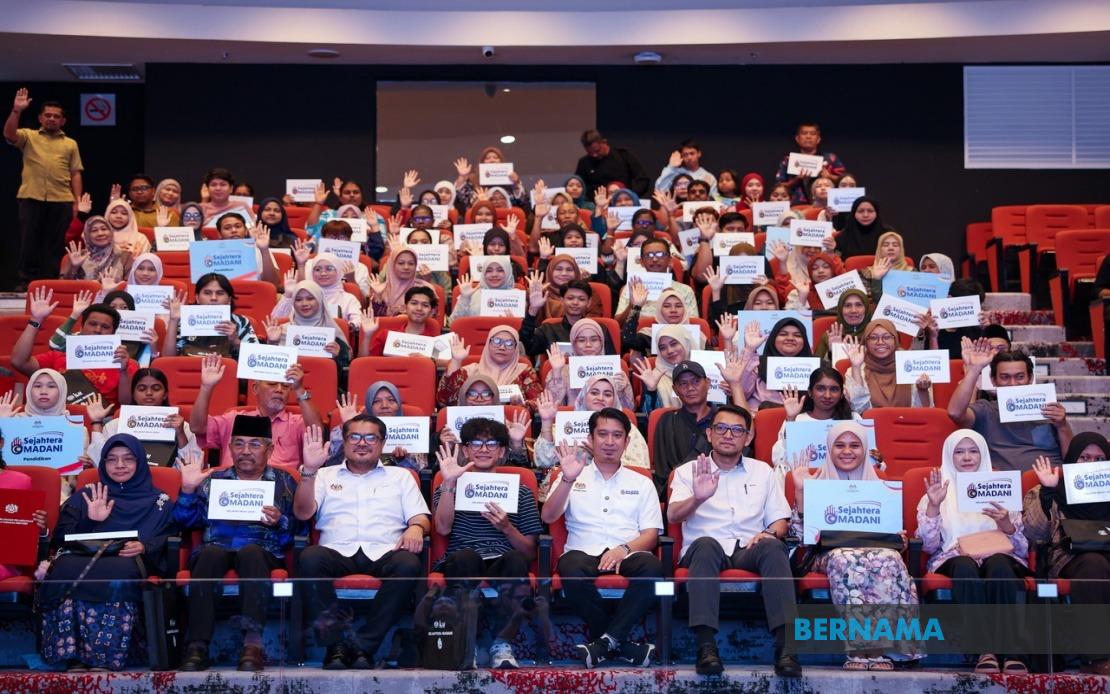
Beyond policy implementation, the ceremony highlighted complementary efforts to support student success. Four outstanding SPM students received laptops while 100 university students received Kasih SISWA tablets through the Sejahtera MADANI initiative, targeting households listed in the eKasih database in Melaka. This material support for academically successful students from economically disadvantaged backgrounds addresses equity dimensions of technology access, ensuring that while universities manage AI tools, all students have access to the basic computing infrastructure necessary for modern education.
The interplay between the AI guidelines and these technology distribution programmes reveals a comprehensive approach to higher education that treats technology as both an opportunity and an area requiring careful stewardship. The ministry is working simultaneously on three fronts: establishing ethical frameworks for emerging technologies like generative AI, providing practical tools to manage implementation, and ensuring equitable access to basic educational resources. For Malaysian universities, this multifaceted strategy offers a foundation for navigating the complex intersection of innovation, integrity, and inclusion that defines contemporary higher education.
As institutions across Malaysia continue developing and refining their AI policies, the next phase will involve measuring effectiveness through case outcomes, student and faculty feedback, and academic quality metrics. Universities will need to document whether the guidelines actually reduce integrity violations, whether they successfully support appropriate AI use in learning, and whether they help prepare students for a technology-integrated workplace. This data-driven assessment will inform any necessary adjustments to the framework, creating an iterative improvement cycle. For students currently navigating these policies, the guidelines establish clear expectations; for future cohorts, the framework will have matured through lived institutional experience.

