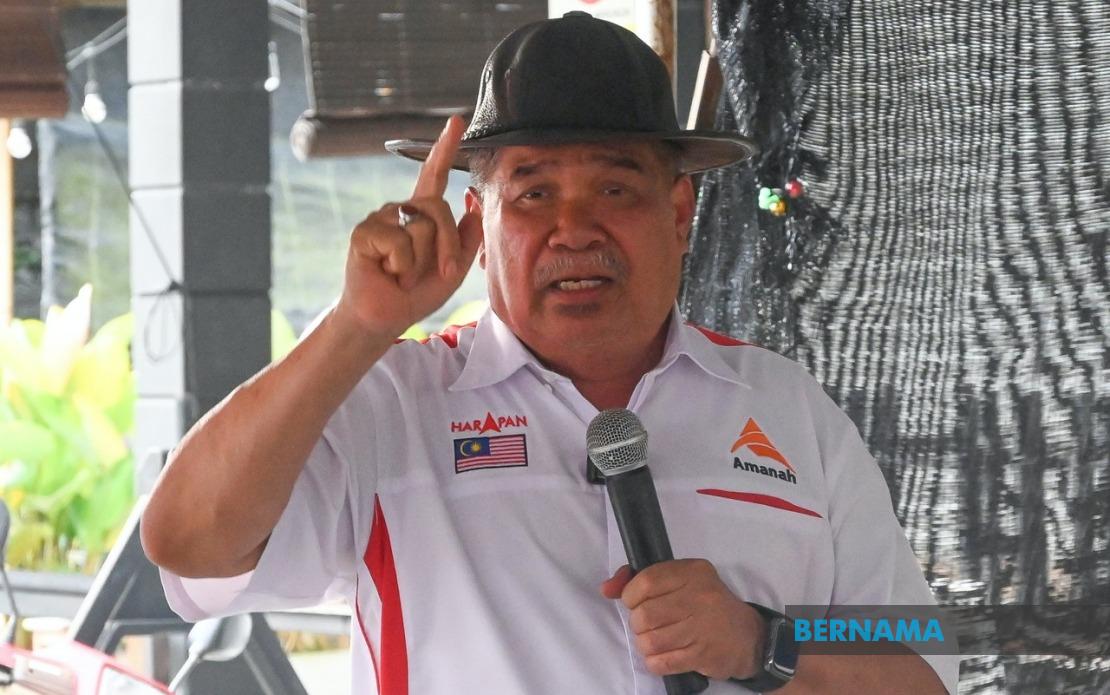
The protracted dispute between Malaysia and Thailand over shrimp imports is edging towards resolution, according to Agriculture and Food Security Minister Datuk Seri Mohamad Sabu, who indicated that outstanding issues should be settled by mid-August. Speaking after the conclusion of the Road to MAHA 2026 East Coast Zone programme in Kota Bharu, Mohamad offered a concrete timeline for ending the standoff that has disrupted bilateral trade in one of Southeast Asia's economically significant agricultural commodities.
Malaysia implemented a temporary suspension of five shrimp species originating from Thailand starting June 1, marking an escalation in the country's regulatory stance towards fishery imports from its northern neighbour. The suspended species—Penaeus esculentus, Fenneropenaeus merguiensis, Penaeus vannamei, Penaeus monodon and Penaeus stylirostris—represent the major commercial varieties in Thai aquaculture. The ban was framed as part of reinforced oversight mechanisms for fishery products, reflecting broader concerns about import quality standards and biosecurity protocols.
The timing of this dispute carries particular significance for regional food security dynamics. Malaysia's reliance on imported seafood to meet domestic consumption demands has intensified scrutiny of supply chain controls, particularly as food inflation and supply chain vulnerabilities have become pressing policy concerns across Southeast Asia. Thailand remains one of the world's largest shrimp producers and exporters, and the interruption of shipments to Malaysia has implications extending beyond bilateral relations to affect prices and availability throughout regional markets.
Moree broadly, the import suspension reflects a pattern of tightened agricultural border controls that has become increasingly common as countries prioritise food safety assurance and domestic producer protection. Malaysia's fisheries sector, while substantial, remains vulnerable to price competition from larger Thai producers, creating domestic political pressures for regulatory measures that can shield local aquaculturists. The balance between maintaining strict import standards and preserving trade relationships with major suppliers remains a delicate one for policymakers.
Looking ahead, Mohamad articulated an ambitious vision for Malaysia's agricultural trajectory centred on the forthcoming MAHA 2026 exhibition. The event, scheduled to run from August 28 to September 6, aspires to position Malaysia as a regional hub for agricultural innovation and technology transfer. By attracting participation from geographically diverse nations—spanning African countries, Central Asian republics, and established agricultural powers including China, Britain, Japan and the United States—organisers aim to create platforms for meaningful collaboration on modernisation and efficiency improvements across the agricultural value chain.
The inclusion of such diverse international participants reflects a strategic recognition that Malaysia's food security challenges cannot be addressed through domestic measures alone. With the country remaining substantially dependent on food imports across multiple categories, exposure to global best practices and cutting-edge agricultural technologies becomes essential. The exhibition framework offers opportunities for Malaysian farmers, agribusinesses and technology providers to benchmark their operations against international standards and to identify partnership possibilities that could enhance productivity and sustainability.
Food security has crystallised as a paramount concern globally, intensified by geopolitical tensions, climate variability and pandemic-related supply chain disruptions. For Malaysia specifically, the imperative to strengthen domestic production capacity while simultaneously managing import dependencies has shaped policy priorities across successive administrations. MAHA 2026's emphasis on innovation and modernisation directly addresses these strategic imperatives by facilitating knowledge exchange and creating investment platforms for agricultural development.
The Road to MAHA 2026 programme, having concluded its East Coast iteration in Kota Bharu, represented the final phase of a nationwide preparatory campaign that previously engaged communities in Kedah, Selangor, Melaka and Labuan. This staged approach enabled grassroots engagement with agricultural stakeholders across diverse regional contexts, building anticipation and participation momentum ahead of the main exhibition. Such preparatory programmes typically serve to identify emerging farmer concerns, gather input on technology priorities and establish networks that strengthen the exhibition's relevance to working agricultural practitioners.
Projections for MAHA 2026 are notably ambitious, targeting approximately five million visitor attendances, RM58 million in direct sales and RM8 billion in potential investment commitments. The projection of five million visitors draws explicitly on attendance figures achieved two years prior, while organisers anticipate that concurrent National Day celebrations will provide additional stimulus to visitor numbers. Such targets reflect confidence in the exhibition's appeal to domestic and international audiences, though achieving them will require sophisticated logistics and compelling programme content throughout the two-week run.
The broader context of Malaysian agricultural policy demonstrates shifting emphases toward technology integration and sustainability alongside traditional production concerns. Modern agricultural technology showcases, when successfully executed, can catalyse adoption of innovations that enhance both productivity and environmental stewardship. For Malaysia's agricultural sector—encompassing everything from commodity crop production to aquaculture and horticulture—meaningful exposure to technological alternatives can drive operational improvements that strengthen competitiveness in increasingly challenging global markets.
The resolution of the Thai shrimp import dispute, while technically a bilateral matter, carries implications for how Malaysia's agricultural governance balances protectionism with openness to regional trade. As MAHA 2026 preparations accelerate, the successful conclusion of this trade friction would underscore Malaysia's commitment to collaborative regional engagement while simultaneously protecting domestic interests. The convergence of these two developments—a resolved import dispute and an internationally-focused agricultural exhibition—could position Malaysia as a nation capable of sophisticated navigation between national food security imperatives and regional trade relationships.

