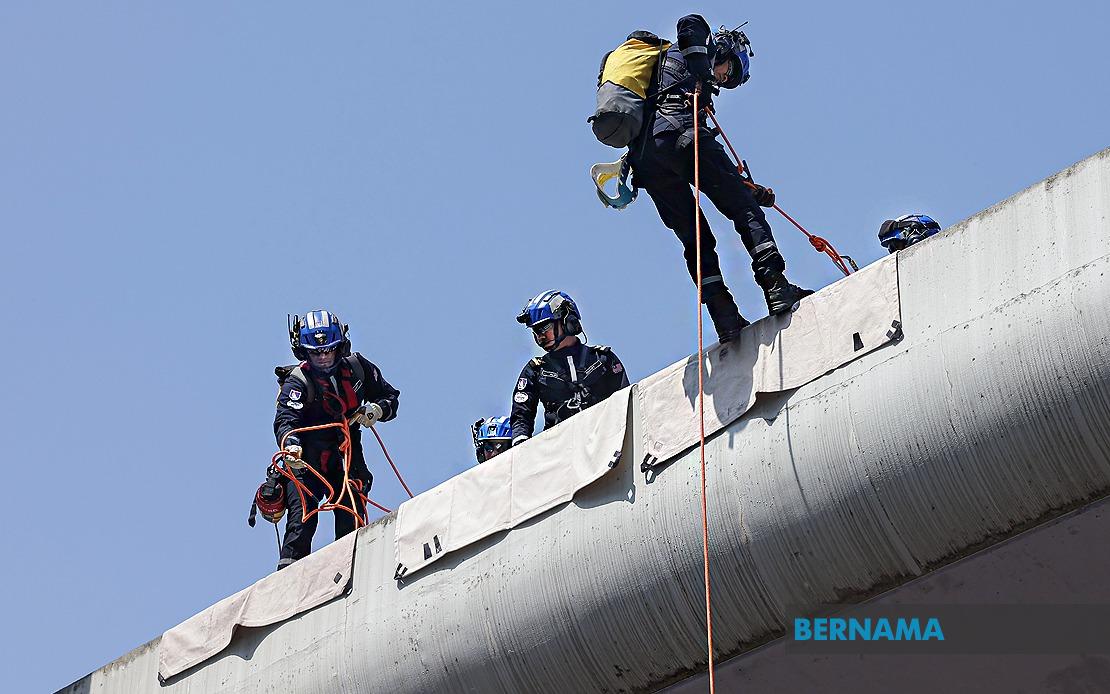
Malaysia's elite search and rescue unit, SMART, remains on high alert and ready for immediate deployment to Nepal to support ongoing disaster relief operations following the devastating floods that have swept across the South Asian nation. The National Disaster Management Agency confirmed the team's preparedness while emphasizing that any deployment hinges on formal approval from the Nepali Government and confirmation of humanitarian assistance needs on the ground.
The standby status reflects Malaysia's established protocol for international disaster response, where coordination occurs through multiple government channels before personnel cross borders. NADMA underscored that all diplomatic arrangements are being managed in conjunction with Malaysia's Foreign Ministry, ensuring that deployment procedures align with bilateral protocols and Nepali authorities' requirements. This measured approach, while potentially delaying rapid response, ensures that Malaysian assistance complements rather than complicates local relief efforts already underway.
Senior Fire Superintendent I Abdul Manaf Che Isa, the SMART team commander, expressed the unit's readiness despite the team's scheduled participation in Malaysia's 69th National Day parade on August 31st. He noted that SMART members maintain a constant state of operational readiness, capable of mobilizing within hours of receiving official notification. The team's dual commitments—fulfilling domestic ceremonial obligations while preparing for international deployment—illustrate the versatility and flexibility embedded within Malaysia's disaster management infrastructure.
Prime Minister Anwar Ibrahim announced that the Malaysian Government had formally decided to dispatch SMART to Nepal with a multifaceted mandate extending beyond traditional search and rescue operations. The team will actively locate Malaysian nationals affected by the floods, coordinate with Malaysia's Embassy in Kathmandu, and facilitate broader support mechanisms to ensure the safety and welfare of Malaysians in the affected region. This expanded scope reflects recognition that disaster zones often create secondary challenges for overseas citizens requiring government intervention beyond emergency rescue.
Beyond personnel deployment, Malaysia has committed substantial financial resources to Nepal's recovery process. The government announced a US$1 million contribution directed toward immediate humanitarian assistance for affected communities and medium-term post-disaster reconstruction initiatives. This financial commitment positions Malaysia among countries providing tangible support during Nepal's crisis period, strengthening bilateral relations and demonstrating Malaysia's role as a responsible stakeholder in regional stability.
Nepal's vulnerability to monsoon-triggered flooding stems from its geographical positioning within the Himalayan watershed system, where seasonal rainfall combines with steep topography and inadequate infrastructure to create recurring disaster scenarios. The recent floods represent the latest in a series of seasonal weather events that periodically displace hundreds of thousands and destroy critical infrastructure across the nation. Malaysia's willingness to contribute specialized personnel and resources reflects mutual recognition among Southeast and South Asian nations of shared vulnerability to climate-related hazards.
SMART's composition combines trained personnel from Malaysia's fire and rescue services with specialized equipment designed for extracting survivors from collapsed structures, accessing remote areas, and conducting water-based operations common in flood scenarios. The team's experience spans multiple international deployments, including responses to the 2004 Indian Ocean tsunami, various earthquake aftermaths, and regional flooding events. This operational experience provides credibility when Malaysian authorities negotiate with host governments regarding deployment scope and operational parameters.
The coordination between NADMA, Malaysia's Foreign Ministry, and SMART represents the institutional framework through which Malaysia manages international humanitarian assistance. This structure ensures that rescue operations remain properly supervised, that diplomatic sensitivities receive appropriate consideration, and that assistance aligns with Nepal's stated priorities rather than reflecting Malaysian assumptions about recipient needs. Such institutional discipline prevents well-intentioned rescue efforts from inadvertently complicating host nation operations or creating diplomatic friction.
For Malaysian citizens currently in Nepal—including expatriate workers, students, and tourists—the government's activation of consular support systems and potential SMART deployment provides reassurance that authorities maintain awareness of their circumstances. Embassy coordination with rescue teams enables targeted assistance for Malaysians in affected zones while facilitating communication between dispersed nationals and government agencies. This dual-track approach addresses both humanitarian universals and specific protections owed to national citizens abroad.
Regionally, Malaysia's response to Nepal's disaster reflects established patterns of Southeast and South Asian mutual assistance during climate-related emergencies. The deployment potential demonstrates that despite occasional political tensions, practical cooperation in humanitarian crises remains robust across the broader Asian region. Nepal's acceptance or rejection of Malaysian assistance will signal current bilateral relations while influencing future cooperation frameworks as climate change intensifies weather-related disasters throughout Asia.

