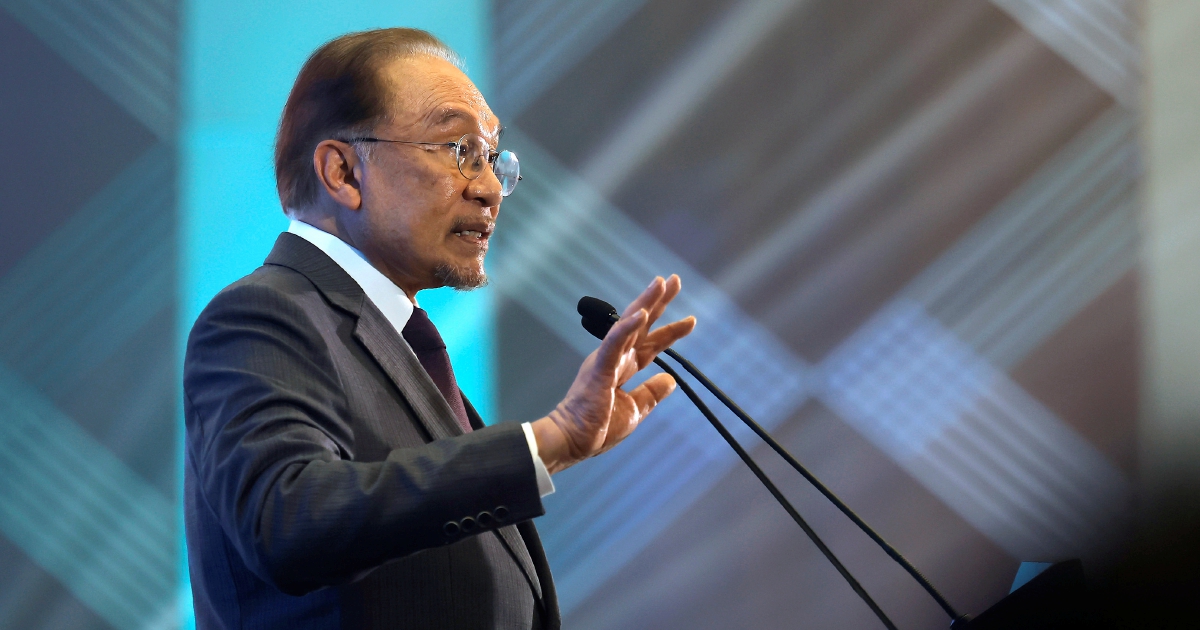
Malaysia's decision to host the Formula 1 Gulf Air Bahrain Grand Prix at the Sepang International Circuit underscores the nation's growing confidence in its capacity to manage world-class sporting spectacles, according to Prime Minister Datuk Seri Anwar Ibrahim. The announcement represents a significant moment for a country that has previously operated as a regional motorsports hub but now signals broader ambitions to attract premium international competitions that draw global audiences and investment.
The return to Formula 1 hosting comes at a strategic juncture for Malaysia's economic recovery and soft power aspirations. Major sporting events carry substantial economic consequences, generating tourism revenue, employment opportunities, and infrastructure improvements that often extend well beyond the event itself. For Southeast Asia, which competes fiercely to attract comparable competitions with rivals including Thailand, Vietnam, and Indonesia, Malaysia's confirmation as a Formula 1 venue represents a competitive advantage in the region's race to host high-profile international gatherings.
Sepang International Circuit, which has previously staged significant motorsporting events, possesses the foundational infrastructure required for an event of Formula 1's magnitude. However, hosting a global championship involves far more than circuit specifications. It demands sophisticated logistics coordination, security operations, hospitality services, and regulatory alignment with international motorsport bodies. The successful organisation of such an undertaking requires coordination across multiple government agencies, private sector partners, and international stakeholders, demonstrating institutional capability that extends beyond the racing paddock.
From an economic perspective, Formula 1 events generate considerable spillover benefits throughout host countries. The influx of international teams, media personnel, VIP guests, and general spectators creates sustained demand for accommodation, dining, transportation, and entertainment services. Local businesses, particularly in the Kuala Lumpur and Selangor regions, stand to benefit from the temporary but intensive concentration of high-spending international visitors. Airport operations, hotel occupancy rates, and ancillary service sectors typically experience measurable uplift during major sporting events.
The timing of Malaysia's F1 involvement carries political significance beyond pure sporting considerations. International event hosting has become a key indicator of national standing in the emerging Asian century. Securing prestigious competitions demonstrates to both domestic constituencies and foreign investors that a country possesses the governance structures, financial stability, and logistical sophistication required to manage complex international undertakings. For Malaysia, still navigating economic transitions and political consolidation, such visible demonstrations of capability serve broader nation-building objectives.
Regional competition for sporting events has intensified considerably across Southeast Asia. Vietnam's investment in circuit construction and Thailand's tourism infrastructure enhancements reflect widespread understanding that major competitions generate disproportionate attention and investment flows. Singapore, despite geographical constraints, has successfully maintained its position as a premier racing destination through consistent investment and operational excellence. Malaysia's reentry into this competitive landscape therefore requires not merely hosting a single event but demonstrating sustained commitment to excellence that might justify future editions or related competitions.
The F1 announcement also touches upon Malaysia's broader tourism recovery objectives. The pandemic severely disrupted international travel patterns and consumer confidence in visiting major destinations. Reintroduction of flagship sporting events serves dual purposes: attracting immediate visitor volumes while simultaneously signalling to global travel markets that Malaysia has stabilised and remains an appealing destination. This psychological dimension of event hosting often proves as important as immediate economic metrics.
Infrastructure implications warrant consideration. Formula 1 hosts require world-standard medical facilities, broadcast capabilities, security apparatus, and accommodation networks. The investments required to meet these specifications often generate benefits that persist long after the event concludes. Road improvements, public transportation enhancements, and facility upgrades become permanent additions to national infrastructure stock. For regions surrounding Sepang, this represents opportunity for lasting development improvements contingent on successfully executing the racing event.
The regulatory and diplomatic dimensions merit equal emphasis. Formula 1 governance involves complex international agreements, licensing requirements, and compliance frameworks administered by the Fédération Internationale de l'Automobile. Successfully navigating these institutional requirements demonstrates Malaysia's ability to operate competently within sophisticated international governance structures. This capability signals credibility to other international organisations considering Malaysia as a venue for their activities, whether in sport, business, culture, or academia.
Looking forward, Malaysia's F1 hosting should be understood as part of a deliberate strategy to elevate the country's international profile during a critical period of economic and political reorganisation. The government's commitment to major event hosting reflects confidence that domestic institutions can deliver on ambitious international commitments. Success with the Formula 1 event could position Malaysia favourably for subsequent applications to host other competitions, conferences, and gatherings that reinforce the nation's position as a capable Southeast Asian hub capable of executing on the world stage.

