The Ministry of Higher Education has committed to maintaining heightened vigilance over the thousands of Malaysian students scattered across West Asian countries, particularly in light of mounting geopolitical tensions that have prompted major powers to reconsider their presence in the region. Higher Education Minister Datuk Seri Dr Zambry Abd Kadir revealed that the ministry is working in close coordination with Wisma Putra, Malaysia's Foreign Ministry, to establish a unified monitoring framework that can respond swiftly to any developments affecting student welfare and safety.
The announcement comes as international pressure has mounted on the region following the United States' directive to its citizens to exit West Asia. Malaysia's approach differs in its reliance on a coordinated inter-agency response rather than blanket advisories, recognising that the situation remains fluid and that blanket decisions may require regular reassessment. Zambry emphasised that despite the unpredictable nature of international diplomacy, Malaysia remains committed to protecting its citizens abroad through continuous information-gathering and preparedness.
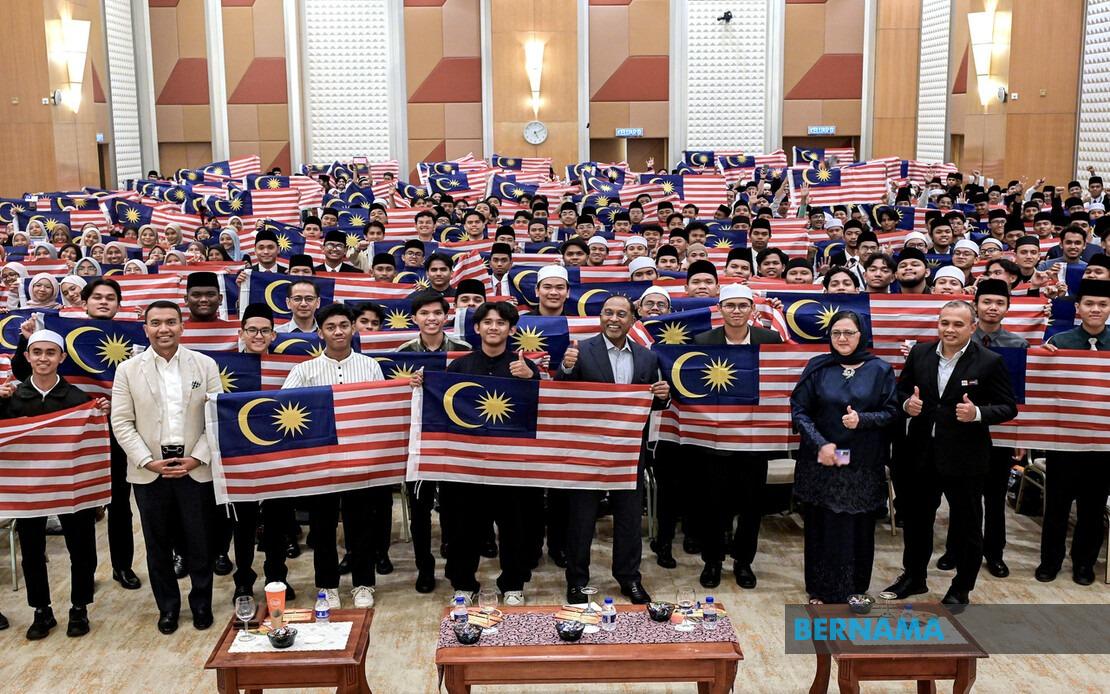
A significant cohort of 456 Malaysian students is preparing to embark on their studies in Egypt, Jordan, and Morocco beginning September 1, having recently completed the International Charisma Programme organised jointly by the ministry and the Malaysia Nationhood Academy. These students underwent comprehensive briefings and received direct engagement with ministry officials, ensuring they have the necessary support mechanisms in place before departing. The programme represents a deliberate effort to equip students with not only logistical guidance but also a deeper understanding of Malaysian values and national identity as they pursue their academic ambitions abroad.
The student population across West Asia presents a diverse educational landscape that extends well beyond religious studies. While Egypt remains a traditional centre for Malaysian students pursuing Islamic education, the cohort there encompasses medical students, dentists, pharmacists, and other professionals in critical fields that Malaysia requires for its continued development. This diversification reflects Malaysia's strategic interest in cultivating expertise across multiple disciplines, rather than concentrating educational investment in a single sector or location. The breadth of Malaysian academic engagement across West Asia underscores the region's enduring importance as an educational hub despite periodic security challenges.
Egypt hosts the largest concentration of Malaysian students in the region, with official figures indicating thousands currently enrolled across various institutions. Jordan, meanwhile, maintains a more moderate but still substantial Malaysian student presence estimated between one thousand and two thousand individuals. Morocco, though currently hosting fewer Malaysians, has been experiencing steady growth in enrolments and is emerging as an increasingly significant destination for Malaysian higher education seekers. The ministry has established Education Malaysia offices in both Egypt and Jordan to provide on-the-ground support, while arrangements for Moroccan students are managed through the Egyptian office, creating an integrated support network across the region.
Zambry stressed that while no specific threats have been reported to Malaysian students currently in Egypt, Jordan, or Morocco, the ministry is adopting a precautionary stance and maintaining constant readiness to implement contingency measures should circumstances deteriorate. This balanced approach avoids unnecessary alarm while simultaneously ensuring that decision-making capacity remains within reach should rapid action become necessary. The ministry's coordination with the Foreign Ministry provides access to real-time intelligence and diplomatic channels that enable informed decision-making beyond the scope of media reporting alone.
The timing of these pronouncements reflects broader shifts in Malaysia's approach to managing its diaspora of overseas students. Rather than viewing these individuals merely as temporary expatriates, ministry officials have begun framing them as strategic national assets whose eventual return will constitute a valuable transfer of knowledge, experience, and expertise to Malaysia's development agenda. This reframing carries implications for how the government prioritises student safety and support services, elevating these concerns beyond humanitarian considerations to matters of national economic and intellectual security.
Zambry's remarks during the programme's closing ceremony incorporated deeper philosophical dimensions regarding what constitutes meaningful higher education. Beyond the accumulation of academic credentials, he advocated for character development grounded in the Islamic concepts of ta'lim, tarbiah, and ta'dib—respectively the imparting of knowledge, personal development, and the cultivation of ethical and moral values. This integrated vision of education recognises that Malaysian students abroad carry representational weight as ambassadors of the nation and that their conduct and values reflect upon Malaysia's international standing.
Malaysia's emergence as a magnet for international students provides important context for understanding the government's investments in overseas student support. The country now attracts students from approximately 180 nations, a figure that demonstrates Malaysia's competitive positioning within global higher education markets. This international diversity indicates that Malaysia's higher education institutions have transcended reliance on any single geographic or demographic market, positioning domestic universities as genuinely competitive international destinations. For Malaysian students studying abroad, this domestic success story creates both reciprocal opportunities and responsibilities—they study overseas partly to acquire expertise that will enhance Malaysia's institutions upon their return.
The ministry's steady-state approach to the evolving West Asian situation reflects Malaysia's historical experience navigating regional complexities while maintaining pragmatic international relationships. Rather than reactively closing doors or initiating mass evacuations, the emphasis falls on continuous assessment, coordinated information-sharing, and graduated responses calibrated to actual circumstances rather than speculative scenarios. This measured stance provides Malaysian students with stability and confidence while simultaneously positioning the government to respond decisively should conditions genuinely warrant escalation.

